

 Français
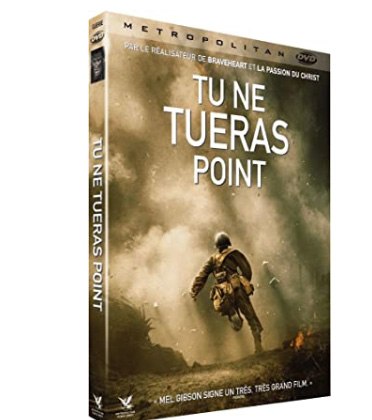
Hacksaw Ridge
Synopsis
During the brutal Battle of Okinawa in World War II, conscientious objector Desmond Doss enlists in the United States Army as a combat medic, refusing to carry a rifle or take human life due to his religious beliefs. Facing intense mockery, court-martial threats, and physical abuse from his fellow soldiers and commanding officers who view him as a coward, Desmond remains steadfast in his vow. When his infantry unit is tasked with capturing the perilous Hacksaw Ridge cliffside and suffers a devastating surprise enemy counterattack, Desmond stays behind on the burning battlefield unarmed. Operating alone under enemy fire, he miraculously lowers 75 wounded American soldiers down the cliffside to safety. This inspiring biographical war masterpiece celebrates unwavering faith and true courage.
The Making of the Film
Producer Bill Mechanic spent over a decade trying to bring Desmond Doss's incredible true-life World War II heroism to the screen, battling studios hesitant to back a pacifist war hero. Director Mel Gibson was brought on board to helm the project, bringing his uncompromising visceral action style and deep thematic focus on faith and suffering. Screenwriters Andrew Knight and Robert Schenkkan crafted the script based on archival interviews and historical records. Cross Creek Pictures backed the prestige production.
Critical Reception
Professional critics showered the film with widespread universal critical acclaim, praising its breathtaking battle choreography, powerful moral core, and Andrew Garfield's transcendent lead performance. Reviewers lauded Mel Gibson's brilliant direction for contrasting the idyllic Appalachian romance with the horrifying, chaotic carnage of the Pacific theater. Garfield received universal praise for capturing Desmond Doss's gentle humility.
Public reception was a phenomenal global box office success and awards-season darling, moving audiences worldwide with its real-life tale of unsung heroism. Viewers were stunned by the brutal realism of the combat scenes and the spiritual grace of the protagonist. It cemented its status as a modern classic of war cinema.
Awards and recognition included two Academy Awards for Best Film Editing and Best Sound Mixing, alongside six total Oscar nominations including Best Picture, Best Director, and Best Actor for Andrew Garfield. Andrew Garfield earned widespread global acclaim. The film remains celebrated as a masterpiece of inspirational drama.
Filming Anecdotes
The director drew inspiration from classic war epics like Saving Private Ryan, historical documentary footage of Okinawa, and traditional faith-based narratives. Production utilized rugged rural locations and massive constructed trench sets in Sydney, Australia, to simulate both Virginia and the fiery cliffs of Hacksaw Ridge. Stunt coordinators engineered explosive, authentic battlefield destruction.
Production challenges included maintaining strict R-rated combat realism while highlighting a protagonist who never fires a weapon. Andrew Garfield underwent intense physical training and studied Doss's actual mannerisms to honor his legacy. Managing the massive scale of the pyrotechnics and hundreds of background extras required meticulous military precision.
A memorable anecdote involves Andrew Garfield accidentally injuring his hands during rigorous boot camp training scenes on set. The real Desmond Doss passed away shortly before production began, inspiring the cast and crew to pour their utmost respect into the project. Gibson's directorial intensity fostered incredible focus among the ensemble.
The casting process secured Andrew Garfield for the lead role of Desmond Doss, alongside supporting performances from Vince Vaughn, Teresa Palmer, Hugo Weaving, and Rachel Griffiths. Hugo Weaving delivered a powerful turn as Desmond's traumatized World War I veteran father. The ensemble chemistry grounded the epic war narrative in intimate human emotion.
Themes Explored
The themes explored include pacifism, faith, courage, conviction, forgiveness, and the horrors of war. The story examines how a man can maintain his moral compass and religious vows in the absolute darkest depths of combat. It also highlights the healing power of saving lives rather than taking them.
Explanation of the Ending
The ending shows Desmond Doss being carried down the ridge by his fellow soldiers after sustaining serious shrapnel injuries, reading his pocket Bible given to him by his wife. Intercut with archival footage and interviews of the real surviving WWII veterans who testified to his bravery, the film honors his official Medal of Honor recognition. The concluding title cards detail Desmond's peaceful later years and his enduring legacy as an American hero.
Title Significance
The title 'Hacksaw Ridge' refers literally to the treacherous, steep escarpment on Okinawa where the historic and brutal WWII battle took place. It symbolizes the razor-sharp precipice of life and death where Desmond Doss performed his miraculous rescues. The name sets an intense, historical war-drama tone.
Original Soundtrack
The film features a powerful, soaring orchestral musical score composed by Rupert Gregson-Williams, blending haunting choral themes with thunderous war-action motifs.
The film is celebrated globally as a monumental masterpiece of inspirational war drama, frequently screened for its peerless depiction of moral courage.
Saving Private Ryan, 1917, The Pianist, Dunkirk