

 Français
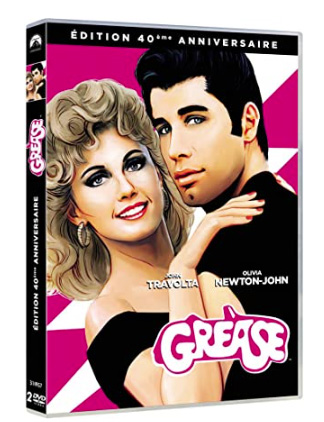
Grease
Synopsis
In the summer of 1958, high school students Danny Zuko and Sandy Olsson fall in love during a holiday romance. When summer ends, Sandy unexpectedly enrolls at the same California high school as Danny. Their reunion becomes complicated because Danny is determined to maintain his reputation as a confident leader of the T-Birds, a popular group of greaser boys. Sandy struggles to understand the social expectations surrounding her new school while Danny attempts to reconcile his public image with his feelings for her. Their friends become involved in romances, rivalries, and the excitement of teenage life. Through music, dance, and youthful rebellion, the film follows the challenges of love and identity during the final years of the 1950s.
The Film's Origins
Grease is based on the 1971 Broadway musical written by Jim Jacobs and Warren Casey. The original stage production was inspired by the teenage culture of Chicago in the 1950s, particularly the music, fashion, and social identities associated with greasers. Producer Allan Carr became interested in bringing the musical to the screen and worked with the production team to develop a more accessible cinematic adaptation. The screenplay was written by Bronté Woodard, with contributions from Allan Carr. Director Randal Kleiser was selected to bring the musical's youthful energy and nostalgic atmosphere to the screen. John Travolta, who had already gained attention through Saturday Night Fever, was cast as Danny Zuko. Olivia Newton-John was eventually chosen to play Sandy after discussions about finding an actress who could combine singing, acting, and a convincing romantic presence. The film expanded several musical elements of the stage production and introduced new songs. Released in 1978, Grease became one of the most successful movie musicals of its generation.
Critical Reception
Professional Reviews: Grease received generally positive reviews, particularly for its musical performances, energetic choreography, and nostalgic atmosphere. John Travolta and Olivia Newton-John were widely praised for their chemistry and screen presence. The film's production design and colorful musical sequences also attracted considerable attention. Some critics considered its portrayal of teenage life overly idealized and questioned the age of the actors playing high school students. Nevertheless, its catchy songs and accessible humor made it an enduring musical entertainment. Over time, the film became recognized as one of the defining movie musicals of the late 1970s.
Audience Reception: Grease became a massive commercial success and attracted audiences across several generations. Its songs, dance sequences, and memorable characters quickly became part of popular culture. The soundtrack achieved extraordinary commercial success, while the film itself became a regular television and home-video favorite. Viewers particularly enjoyed the relationship between Danny and Sandy and the energetic performances of the supporting cast. Its popularity has remained strong through theatrical revivals, sing-along screenings, and stage productions.
Awards and Recognition: Grease received an Academy Award nomination for Best Original Song for Hopelessly Devoted to You, performed by Olivia Newton-John. The film also received several Golden Globe nominations, including recognition for its performances and musical achievements. Its soundtrack became one of the best-selling movie soundtracks of all time. The production has also received numerous retrospective honors and cultural recognitions. Although it did not win major Academy Awards, its lasting popularity has established it as a landmark musical film.
Behind-the-Scenes Stories
Director's Inspirations: Randal Kleiser wanted to preserve the playful energy of the original stage musical while making the story feel cinematic. He was interested in recreating the music, fashion, and social atmosphere of 1950s American teenage culture. The director also wanted the musical numbers to feel like natural extensions of the characters' emotions. His approach combined nostalgic imagery with energetic choreography and romantic comedy. The result was designed to appeal both to audiences familiar with the Broadway production and to viewers discovering the story for the first time.
Production Challenges: The cast included several actors considerably older than the teenagers they portrayed, requiring costumes, makeup, and performances that could create a convincing high school atmosphere. The production also involved complex musical choreography and numerous large ensemble sequences. The final carnival scenes required extensive preparation and coordination. The filmmakers had to adapt the stage musical's structure to the requirements of cinema while maintaining its most recognizable songs. Finding the right balance between nostalgia and contemporary entertainment was another important challenge.
Memorable Scene: The final carnival sequence is one of the film's most iconic moments. Sandy appears in a transformed outfit, surprising Danny and demonstrating a new confidence. The sequence combines the film's romantic conclusion with a large musical celebration. Its colorful setting, choreography, and memorable songs helped establish Grease as a cultural phenomenon. The final moments also bring the different student groups together in a joyful celebration.
Originally Considered Casting: John Travolta was already associated with the project and became the natural choice for Danny Zuko. Olivia Newton-John was selected after an extensive search for the role of Sandy, partly because the filmmakers wanted a performer capable of handling both acting and singing. Stockard Channing was cast as Rizzo, while Jeff Conaway played Kenickie. Several members of the ensemble came from the original Broadway musical or had experience in musical theater. The casting of Newton-John was particularly important because it helped define the film's international appeal.
Themes Explored
Grease explores teenage identity, romance, friendship, social pressure, rebellion, and the desire for acceptance. The central relationship between Danny and Sandy demonstrates how people sometimes change their behavior to fit the expectations of others. Danny struggles between his public image as a confident greaser and his genuine feelings for Sandy. Sandy must also decide how much she is willing to change to find her place within a new social environment. The film examines the importance of friendship through the different relationships within the T-Birds and Pink Ladies. Its musical sequences celebrate individuality while also highlighting the pressure to conform. The nostalgic setting presents teenage culture as a world of experimentation and social discovery. Ultimately, the story suggests that love and personal identity are often shaped by the expectations of a community.
Ending Explained
The ending takes place during the school carnival, where Danny and Sandy finally appear to have reconciled their differences. Danny has made an effort to change his behavior by participating in a school sports event, demonstrating that he is willing to move beyond his tough public image. Sandy also appears in a transformed outfit that reflects her growing confidence and willingness to embrace a different side of herself. Their reunion is celebrated through the song You're the One That I Want. The final musical sequence brings together the main characters and creates a joyful conclusion to their teenage adventures. The departure of Danny and Sandy in the flying car adds a deliberately fantastical touch to the ending. Their journey into the sky can be interpreted as a symbolic escape from ordinary expectations. The conclusion celebrates young love, transformation, and the excitement of imagining a future together.
Meaning of the Title
The title Grease refers to the slick hairstyles, leather jackets, and distinctive appearance associated with the greaser subculture of the 1950s. These young people were often identified through their fashion, music, motorcycles, and rebellious attitudes. The word also evokes the atmosphere of garages, cars, and rock-and-roll culture that plays an important role in the film. The title therefore captures the identity of the T-Birds and the broader teenage world represented in the story. It also reflects the musical's nostalgic celebration of a particular period in American popular culture.
Original Soundtrack
The soundtrack of Grease became one of the most successful movie soundtracks in history. It features memorable songs including You're the One That I Want, Summer Nights, Greased Lightnin', Hopelessly Devoted to You, and Sandy. The songs were written by several composers, with John Farrar contributing some of the most recognizable tracks created specifically for the film. The soundtrack combines rock-and-roll influences, pop melodies, and musical theater traditions. Its commercial success extended far beyond the film itself, with several songs becoming international hits. The music is central to Grease's identity and remains one of the main reasons for its enduring popularity.
Similar Movies
Musical films with comparable teenage themes include West Side Story, which explores romance and rivalry between young communities. Footloose focuses on teenage rebellion, music, and the desire for personal freedom. Dirty Dancing combines romance, dance, and social differences in a nostalgic setting. Hairspray celebrates music, youth culture, and the importance of challenging social expectations. Cry-Baby offers a playful interpretation of 1950s greaser culture. These films share Grease's interest in music, youthful identity, and romantic relationships.