

 Français
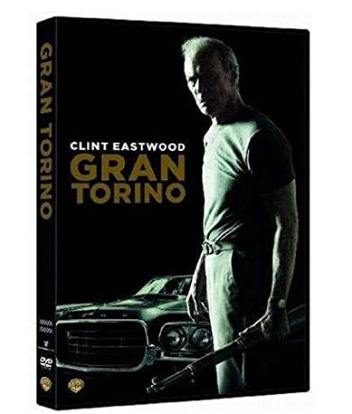
Gran Torino
Synopsis
Walt Kowalski is a retired Polish-American factory worker and Korean War veteran who lives alone in a changing Detroit neighborhood. Bitter, isolated and deeply prejudiced, he has little patience for the people around him, particularly his Hmong neighbors. When a young neighbor named Thao attempts to steal Walt's prized 1972 Gran Torino as part of a gang initiation, their lives become unexpectedly connected. Walt gradually develops a protective relationship with Thao and his sister Sue. Through this unlikely friendship, he begins to confront his own prejudices and the violence that continues to shape his neighborhood.
The Making of the Film
Gran Torino was developed from an original screenplay by Nick Schenk, inspired partly by his experiences and observations of Hmong communities in Minnesota. Clint Eastwood became interested in the project because it offered an opportunity to explore cultural change, racism and personal redemption. The director also wanted to examine the changing identity of older industrial American neighborhoods. Eastwood selected himself for the central role of Walt Kowalski, a character whose personality initially appears close to the traditional tough figures associated with his screen career. The production brought together experienced performers and actors from the Hmong community, many of whom had limited previous film experience. The story was deliberately structured around the gradual transformation of a man who has become emotionally isolated. Eastwood also composed music for the film, reinforcing its personal and intimate character. The result became one of his most popular directorial and acting projects.
Reviews and Reception
Professional reviews: Critics generally praised Clint Eastwood's performance and the film's examination of racism, aging and cultural change. The screenplay received attention for its combination of humor, drama and social commentary. Some reviewers criticized the characterizations and occasionally stereotypical dialogue, while others appreciated the film's willingness to address difficult subjects directly. Eastwood's restrained direction was widely recognized as a major strength.
Audience reception: Gran Torino became a major commercial success and one of the highest-grossing films of Eastwood's acting career. Audiences responded strongly to Walt's transformation and his relationship with the young Hmong characters. The film also generated discussion about immigration, cultural identity and the legacy of prejudice. Its final moments have made it particularly memorable among viewers.
Awards: Gran Torino received several major distinctions, including the César Award for Best Foreign Film in France. It was also selected by the American Film Institute as one of its notable films of 2008. Clint Eastwood received acting recognition from several critics' organizations. The original song Gran Torino was nominated for a Golden Globe Award.
Behind-the-Scenes Stories
Director's inspirations: Clint Eastwood was interested in exploring the conflict between an older generation and a rapidly changing American society. Nick Schenk's screenplay provided an opportunity to examine the relationship between a former industrial worker and his Hmong neighbors. Eastwood also drew on his long experience portraying tough, morally complicated characters. The film gradually transforms the traditional image of the solitary western hero into a story about responsibility and sacrifice.
Production challenges: The filmmakers needed to portray the Hmong community with authenticity and respect. Casting actors from that community was therefore an important part of the production. Several performers had little previous experience in major film productions, requiring careful preparation. The Detroit locations also helped establish the economic decline and changing social atmosphere that surround Walt's life.
Notable scene: The final confrontation between Walt and the gang is the film's most important dramatic sequence. Walt approaches the gang members without a weapon, apparently placing himself in danger. His actions are carefully planned to provoke a response that will expose their crimes. The sequence reveals the extent to which he has changed and prepares the audience for his final sacrifice.
Original casting: Clint Eastwood took the leading role of Walt Kowalski, while Bee Vang was cast as Thao. Ahney Her played Sue, whose friendship with Walt helps bridge the cultural divide. The production also included Christopher Carley as Father Janovich. The casting of members of the Hmong community contributed significantly to the film's atmosphere and authenticity.
Themes Explored
Gran Torino explores racism and the possibility of overcoming prejudice through personal relationships. Walt initially judges people according to their ethnicity and cultural background. His relationship with Thao and Sue gradually forces him to recognize their individuality and humanity. The film also examines aging, loneliness and the fear of becoming irrelevant in a changing society. The Gran Torino itself represents Walt's attachment to the industrial America in which he grew up. Violence and masculinity are important themes, particularly through Walt's military past and his interactions with local gangs. The story questions whether traditional ideas of toughness can provide genuine protection or merely perpetuate conflict. Sacrifice becomes the central moral theme as Walt gradually understands that protecting others may require giving up his own safety. Ultimately, the film presents compassion and responsibility as more meaningful forms of strength than intimidation.
Ending Explained
The ending reveals that Walt has developed a deep affection for Thao and his family. He realizes that the gang will continue threatening them unless someone intervenes decisively. Instead of using violence to kill his enemies, Walt chooses a strategy that exposes their criminal behavior and ensures their arrest. He approaches the gang without a weapon, knowing that they are likely to shoot him. His death allows the authorities to prosecute the gang and removes the immediate threat to Thao and Sue. The final gesture represents a profound change from the angry and prejudiced man introduced at the beginning. Walt also leaves his beloved Gran Torino to Thao rather than to his own family. The car becomes a symbol of trust, friendship and the transmission of values between generations. His sacrifice gives the story a tragic but hopeful conclusion.
Meaning of the Title
The title Gran Torino refers to the 1972 Ford Gran Torino that Walt Kowalski owns and carefully preserves. The car represents an important period in American industrial history and reflects Walt's attachment to his past. It is also a symbol of personal identity, pride and the working-class culture that shaped his life. Throughout the film, the vehicle becomes an object that connects Walt to Thao. Their relationship develops around the car and the responsibilities associated with it. The title therefore refers to much more than a particular automobile. It evokes the passing of values from one generation to another and the possibility of building relationships across cultural boundaries. The Gran Torino ultimately becomes a symbol of trust, inheritance and reconciliation.
The film features music composed by Clint Eastwood, Kyle Eastwood and Michael Stevens. The original song Gran Torino, performed by Jamie Cullum and Don Runner, is particularly important to the production. Its reflective tone reinforces the themes of aging, regret and personal redemption. Eastwood's musical contribution gives the film a restrained and intimate atmosphere. The soundtrack also incorporates songs that reflect the cultural diversity of the neighborhood. The main song is especially memorable because it accompanies the emotional conclusion of Walt's journey.
Similar Films
Unforgiven explores aging, violence and the transformation of a traditional western hero. Million Dollar Baby examines personal sacrifice, human dignity and the relationships that develop between unlikely individuals. The Mule follows an elderly man confronting his past and the consequences of his decisions. A Man Called Otto explores loneliness, prejudice and the gradual rediscovery of human connection. The Visitor examines friendship and cultural understanding between people from different backgrounds. Crash explores racial prejudice and the complicated relationships between different communities in Los Angeles. The Straight Story offers another intimate portrait of an older man confronting the past and seeking reconciliation. These films share Gran Torino's interest in aging, redemption, cultural differences, friendship and the possibility of personal transformation.