

 Français
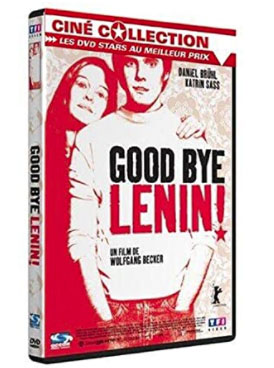
Good Bye, Lenin!
Synopsis
This brilliant, poignant German tragicomic drama follows Alex Kerner, a young man living in East Berlin whose devoted socialist mother suffers a severe heart attack and falls into a coma just months before the historic fall of the Berlin Wall in 1989. When she miraculously wakes up months later, doctors warn Alex that any severe emotional shock could trigger a fatal second heart attack. To protect his frail mother from the devastating news that her beloved German Democratic Republic has collapsed into a capitalist united Germany, Alex goes to absurd, elaborate lengths to construct a meticulous, fake socialist bubble inside their apartment. It is a witty, deeply moving masterpiece about family devotion and political nostalgia.
The Making of the Film
The project originated from director Wolfgang Becker's desire to explore the massive cultural and psychological shock of German reunification through a deeply personal, tragicomic family lens. Filmmakers sought to capture the surreal absurdity of East citizens adapting overnight to western capitalism while highlighting a son's extraordinary love for his mother. Inspiration was drawn from historical news archives, post-reunification nostalgia ("Ostalgie"), and tragicomic dramatic traditions. The creative team aimed to produce a smart, emotionally resonant crowd-pleaser.
Critical Reception
Critics offered widespread, rapturous acclaim, praising Daniel Brühl's breakout lead performance, the ingenious satirical premise, and the film's delicate balance between comedy and heartfelt drama. Reviewers noted that Becker successfully avoided cheap political mockery, instead crafting a tender, nuanced portrait of a changing society viewed through a son's desperate lie. The clever recreation of vintage East German television broadcasts and consumer products received universal applause. It was immediately recognized as a landmark triumph in modern German cinema.
Audience reception was massive and historic, driving the film to become a colossal box office smash across Germany and breaking international art-house attendance records worldwide. Viewers on public platforms praised the clever comedic setups, tear-jerking emotional finale, and nostalgic soundtrack. Fans of European cinema celebrated its brilliant blend of politics and family warmth. Word-of-mouth sustained massive global popularity.
Awards season brought historic triumph, dominating the European Film Awards with multiple wins including Best Film, Best Actor for Daniel Brühl, and Best Screenplay, alongside a Golden Globe nomination. Critics' associations praised the film for its unique historical perspective and emotional brilliance. These accolades cemented its status as a modern classic in European cinema.
Behind-the-Scenes Stories
The director drew visual inspiration from archival East German newsreels, retro 1980s socialist architecture, and nostalgic home movies to establish a warm, sepia-toned visual style. Every apartment set, grocery store shelf, and television prop was meticulously sourced to recreate authentic East German products like Spreewald gherkins and Mocca-Fix coffee. The production team collaborated with historical advisors to ensure that the transition from socialism to capitalism felt historically accurate. These artistic choices created a fully immersive historical world.
Production presented fascinating logistical challenges, particularly in sourcing genuine vintage East German consumer goods and staging realistic fake newscasts on a modern budget. Daniel Brühl immersed himself thoroughly in the frantic mindset of a devoted son orchestrating an elaborate domestic conspiracy. Shooting on location in Berlin required careful street coordination to recreate historical reunification protests. Furthermore, maintaining consistent tragicomic tone across heavy dramatic scenes demanded immense directorial precision.
During the filming of the elaborate fake news broadcast sequences, the actors and crew executed clever practical editing tricks to make the fake television segments look convincingly old and grainy. To maintain emotional gravity, Daniel Brühl and Katrin Saß engaged in intense rehearsal sessions to build authentic mother-son devotion. The crew utilized warm, nostalgic lighting to accentuate the emotional intimacy. This rigorous dedication resulted in immortal cinematic moments.
Casting was anchored by discovering young star Daniel Brühl, whose incredible charisma, vulnerability, and comedic timing drove the entire project. Katrin Saß brought profound dignity and warmth to the role of the socialist mother. Supporting casting directors filled out the apartment building with talented German character actors. This targeted casting strategy was the absolute secret to the film's massive emotional success.
Themes Explored
The narrative deeply explores themes of family devotion, maternal love, and the psychological impact of sudden historical upheaval. It examines political nostalgia, the absurdities of capitalism versus socialism, and the lies we tell to protect loved ones. Additionally, it highlights memory, forgiveness, and changing national identity. Ultimately, the film reflects on truth, family, and letting go of the past.
Ending Explained
Alex's mother finally discovers the truth about the fallen Wall and reunited Germany just before passing away peacefully, having secretly known about her son's elaborate deception all along out of mutual love. In the poignant final montage, Alex launches his mother's ashes into the sky using a modified toy rocket, symbolizing her final socialist journey into the cosmos. The moving resolution honors family devotion above political borders.
Meaning of the Title
The title directly references the iconic socialist leader Vladimir Lenin and a play on bidding farewell to the defunct East German regime.
Original Soundtrack
The soaring, emotional musical score by Yann Tiersen received widespread critical acclaim for utilizing melancholic piano and accordion melodies that amplified the film's nostalgic warmth.
Similar Films
Films sharing similar tragicomic political satire and family devotion themes include Life Is Beautiful (1997), The Lives of Others (2006), and Cinema Paradiso (1988).