

 Français
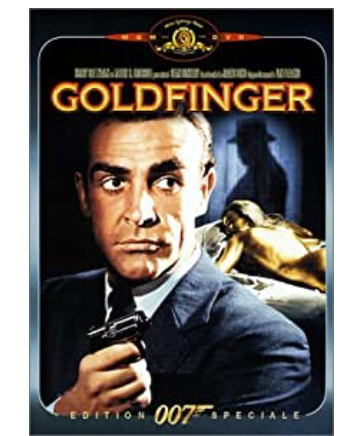
Goldfinger
Synopsis
Secret Agent James Bond investigates a gold-smuggling operation run by the wealthy, ruthless villain Auric Goldfinger. As Bond digs deeper, he uncovers a nefarious plot to contaminate the United States Bullion Depository at Fort Knox and skyrocket the value of gold. Along the way, he encounters iconic characters like Oddjob and Pussy Galore in one of his most perilous assignments. This classic spy thriller defined the cinematic formula for the entire James Bond franchise.
The Making of the Film
The film is adapted from Ian Fleming's popular 1959 spy novel of the same name. Producers Albert R. Broccoli and Harry Saltzman wanted to elevate the James Bond series to new cinematic heights with a larger budget and grander scale. Director Guy Hamilton was brought in to establish the signature blend of suspense, gadgets, humor, and style that would define future 007 movies. The project set out to create the ultimate cinematic spy adventure.
Critical Reception
Professional critics hailed the film as a masterpiece of the spy thriller genre, praising its sharp direction, iconic villain, and high production values. Reviewers noted that Sean Connery had fully perfected his portrayal of James Bond, exuding effortless charm and lethal competence. The memorable set designs and John Barry's legendary musical score received universal acclaim.
Public reception was a massive global phenomenon, turning the movie into a box office juggernaut and cultural touchstone. Audiences were captivated by the high-tech Aston Martin, the memorable henchmen, and the thrilling cat-and-mouse game. It cemented James Bond as the definitive cinematic hero of the 1960s.
Awards and recognition included an Academy Award for Best Sound Effects, making it the first Bond film to win an Oscar. It also received widespread accolades across international box office and entertainment polls. Decades later, it consistently ranks near the top of greatest film lists worldwide.
Filming Anecdotes
The director drew heavy inspiration from classic detective thrillers and upscale pulp adventure magazines to establish the film's luxurious aesthetic. Special attention was paid to the gadgets, leading to the creation of the iconic modified Aston Martin DB5 equipped with ejector seats and machine guns. This vehicle became one of the most famous cars in cinematic history.
Production faced unique challenges, including the infamous golden body paint scene involving actress Shirley Eaton. The crew had to consult medical experts to ensure the paint application method was safe for the actress during filming. Stringent safety precautions were maintained throughout the meticulous shoot.
A memorable anecdote involves the laser scene, which originally featured a circular saw in Ian Fleming's novel but was updated to a futuristic laser for the movie. Special effects technicians used a hidden blowtorch underneath the table to achieve the authentic burning metal effect. Connery's genuine look of apprehension added palpable tension to the famous sequence.
The casting process secured Gert Fröbe as the titular villain Auric Goldfinger, though his English was initially dubbed by actor Michael Collins. Honor Blackman was cast as Pussy Galore, bringing a sharp wit and physical capability that redefined the Bond girl archetype. Sean Connery returned for his third outing as 007, fully owning the iconic role.
Themes Explored
The themes explored include greed, espionage, geopolitical threat, and the battle of wits between good and evil. The narrative examines how unchecked wealth can corrupt individuals into megalomaniacal plots. It also highlights loyalty, resourcefulness, and British cool under pressure.
Explanation of the Ending
The ending features James Bond disabling the nuclear device at Fort Knox with mere seconds remaining on the clock. He subsequently thwarts Goldfinger's escape in a dramatic mid-air struggle aboard a private airplane. Bond emerges victorious once again, securing his freedom alongside Pussy Galore.
Title Significance
The title 'Goldfinger' is derived from the name of the primary antagonist, Auric Goldfinger, whose obsession with gold drives the entire plot. The name carries heavy symbolic weight representing wealth, greed, and cold metallic ambition. It immediately identifies the central nemesis of the narrative.
Original Soundtrack
The film features an extraordinary musical score composed by John Barry and the iconic title song powerfully performed by Shirley Bassey, which became an instant global classic and set the gold standard for all future Bond themes.
The film is frequently celebrated through anniversary retrospectives, classic car exhibitions, and special theatrical re-releases.
Thunderball, From Russia with Love, Dr. No, Casino Royale