

 Français
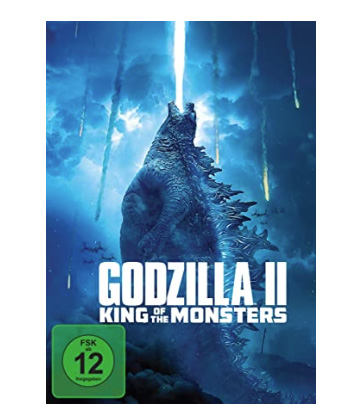
Godzilla: King of the Monsters
Synopsis
Crypto-zoological agency Monarch faces a monumental cataclysm when ancient colossal titans—including Rodan, Mothra, and the three-headed dragon King Ghidorah—awaken to challenge Godzilla for supremacy over Earth. Scientist Dr. Mark Russell joins a specialized military team to rescue his estranged wife and daughter, who have been kidnapped by an eco-terrorist group seeking to use the titans to cleanse the planet. As Ghidorah awakens and unleashes global devastation across major cities, humanity is caught in the crossfire of an epic prehistoric war. To prevent human extinction, Godzilla must rise as Earth's true protector and engage in a legendary clash of titans.
The Making of the Film
Directed and co-written by Michael Dougherty, the film was developed as the third installment in Legendary Entertainment's MonsterVerse franchise following Godzilla (2014) and Kong: Skull Island. Dougherty sought to honor classic Toho cinematic lore by introducing iconic monsters like King Ghidorah, Mothra, and Rodan with modern state-of-the-art digital effects. The production aimed to expand the mythic scale of the titan ecosystem while exploring human co-existence with ancient gods. The screenplay drew heavy inspiration from classic Japanese monster movies.
Critical Reception
Critical reception for the film was mixed, with reviewers praising its breathtaking, visually stunning monster action sequences, epic scale, and faithful tribute to classic Toho creature features. However, many critics faulted the human storyline, convoluted plotting, and rushed dialogue. Audiences offered a moderate box office response that fell slightly short of studio expectations, though monster fans embraced the cinematic spectacle. It remains a fan-favorite entry for pure kaiju destruction.
Behind-the-Scenes Stories
Michael Dougherty and his design team consulted hours of classic Toho monster films to ensure accurate roars, behaviors, and visual homages for Mothra, Rodan, and Ghidorah. The production utilized massive green-screen soundstages in Atlanta alongside complex digital motion-capture performances to bring the titans to life. Kyle Chandler and Vera Farmiga brought dramatic weight to their roles as estranged scientist parents. The iconic theme music by Akira Ifukube was officially incorporated into the score.
Themes Explored
The film explores environmental collapse, human hubris, ancient mythology, and the balance of nature under the rule of titanic apex predators. It highlights grief, family reconciliation, and military survival against apocalyptic threats. Titan supremacy drives the destructive plot. It also touches upon planetary stewardship.
Ending Explained
Godzilla defeats King Ghidorah in a cataclysmic final showdown in Boston with the help of Mothra's sacrificial energy, obliterating the three-headed dragon and establishing his rightful dominance over all surviving titans. The remaining titans bow before Godzilla, recognizing him as the undisputed King of the Monsters and restoring ecological balance to Earth. Humanity begins rebuilding civilization alongside the slumbering giant creatures. The conclusion provides an epic, mythic wrap-up to the kaiju war.
Meaning of the Title
The title refers directly to Godzilla's ultimate crown and dominance over all ancient titans in the monster ecosystem: the "King of the Monsters." It symbolizes mythic supremacy and survival. The phrase sets an epic monster-action tone.
Bear McCreary composed a thunderous, majestic orchestral score incorporating classic Godzilla themes and epic choral arrangements.
Godzilla, Kong: Skull Island, Godzilla vs. Kong, Pacific Rim