

 Français
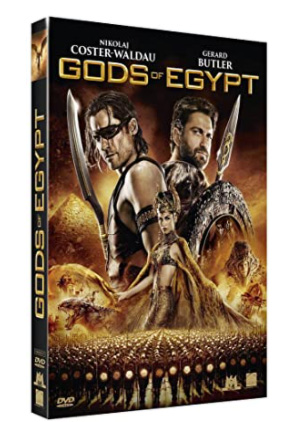
Gods of Egypt
Synopsis
In an alternate ancient Egypt where towering gods live among mortals, the ruthless god of darkness Set brutally usurps the throne during a coronation ceremony, plunging the prosperous kingdom into chaos and tyranny. A young, daring mortal thief named Bek embarks on a perilous quest to save his beloved city and resurrect the rightful king, Horus, with the help of the blinded deity. Together, they battle monstrous beasts, navigate traps in the underworld, and challenge the usurper's divine power. This extravagant fantasy adventure re-imagines ancient mythology with massive digital spectacle.
The Making of the Film
The concept for Gods of Egypt was created by screenwriters Matt Sazama and Burk Sharpless, who wanted to craft an uninhibited, high-budget fantasy blockbuster drawing from ancient Egyptian mythological pantheons and classic pulp adventure tropes. Director Alex Proyas was attracted to the project because it offered an opportunity to build a completely immersive, colorful alternate ancient world unbound by strict historical realism. The production team spent years designing gigantic mythical gods who stood twice the height of humans, alongside golden armor and celestial beasts. The filmmakers aimed to deliver a vibrant popcorn spectacle.
Critical Reception
Professional critics gave overwhelmingly negative reviews to Gods of Egypt, criticizing its excessive CGI spectacle, cheesy dialogue, and widespread whitewashing controversy regarding its predominantly white lead casting. Reviewers noted that despite Alex Proyas's vibrant visual imagination, the narrative felt bloated, campy, and devoid of genuine emotional stakes. The public response was disastrous at the box office, resulting in massive financial losses for Summit Entertainment and Lionsgate. Audiences largely rejected the campy mythological tone. The film received multiple Razzie Award nominations.
Filming Anecdotes
Director Alex Proyas drew heavy inspiration from classic Ray Harryhausen stop-motion fantasy films, ancient Egyptian art, and graphic novels to establish the surreal visual landscape. Production took place primarily in Sydney, Australia, utilizing massive soundstages equipped with advanced green-screen technology to render the towering golden gods and flying chariots. During the filming of the intricate action and wire-fu sequences, the actors performed extensive physical training. Before Gerard Butler and Nikolaj Coster-Waldau were cast as Set and Horus, casting directors evaluated various actors.
Main Themes
The film explores themes of divine tyranny, mortal courage, love, redemption, greed, and the corrupting nature of absolute power among gods and men. It highlights how ordinary mortals can inspire divine beings to rediscover compassion. Additionally, it celebrates overthrowing oppression.
Ending Explanation
The climax resolves the mythological war when Horus defeats his uncle Set in a ferocious rooftop duel atop the high palace, reclaiming the Eye of Horus and restoring the divine throne of Egypt. With Set banished and the underworld gates closed, Horus assumes his rightful place as king, restoring prosperity and resurrecting the fallen mortals who aided his quest, including Bek's beloved. Horus rewards Bek and blesses his future. The film ends on a triumphant, golden note of divine harmony and mortal heroism.
Title Significance
The title directly references the mythological setting and the powerful celestial beings—the gods of ancient Egypt—whose warfare drives the narrative.
The film features an expansive, bombastic orchestral musical score composed by Marco Beltrami that captures the epic scope of ancient mythological battles.
NULL
Clash of the Titans, Immortals, Prince of Persia: The Sands of Time, Exodus: Gods and Kings