

 Français
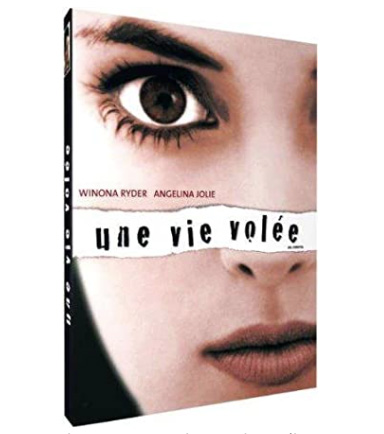
Girl, Interrupted
Synopsis
Set in the turbulent late 1960s, Susanna Kaysen is a young woman who, following an impulsive suicide attempt and a brief consultation with a psychiatrist, is diagnosed with borderline personality disorder. She is sent to Claymoore, a prestigious psychiatric hospital in New England. There, Susanna enters a closed ward surrounded by a diverse and troubled group of fellow female patients, including the charismatic and rebellious sociopath Lisa Rowe. Over the course of her stay, Susanna must confront her inner demons and decide whether she wants to recover or succumb to her mental illness.
The Making of the Film
Adapted from Susanna Kaysen's acclaimed 1993 autobiographical memoir of the same name, the film was passionately developed by director James Mangold. Mangold fought for years to bring the true story to the screen, focusing on the nuanced experiences of young women in institutionalized psychiatric care during an era of sweeping social change. The production aimed to treat mental health with empathy, authenticity, and psychological depth rather than relying on tired cinematic clichés.
Critical Reception
Summary of professional reviews: Critics praised the film for its powerful ensemble performances, particularly highlighting Winona Ryder's grounded vulnerability and Angelina Jolie's electrifying, breakout turn. Reviewers appreciated the sensitive handling of complex mental health themes and institutional dynamics.
Public reception: The film struck a deep chord with audiences, especially younger viewers who resonated with themes of alienation, identity search, and female friendship, turning it into an enduring cultural touchstone.
Awards obtained: Angelina Jolie won the Academy Award for Best Supporting Actress, alongside a Golden Globe Award and a Screen Actors Guild Award for her unforgettable portrayal of Lisa Rowe.
Filming Anecdotes
Director inspirations: James Mangold drew inspiration from classic psychological dramas and documentary photography of the 1960s to accurately recreate the atmosphere of mid-century psychiatric facilities.
Production difficulties: The cast and crew engaged in extensive research and consultations with mental health professionals to ensure the portrayal of various psychiatric diagnoses remained respectful, authentic, and nuanced.
Anecdote on a particular scene: Winona Ryder and Angelina Jolie maintained intentional distance off-screen during early shooting days to build natural tension for their complex character dynamics before sharing deeply emotional breakthroughs together.
Initially planned casting: Winona Ryder spent several years trying to get the book adapted, serving as an executive producer and championing the casting of Angelina Jolie after spotting her raw intensity in independent films.
Major Themes
The story explores mental health stigma, female autonomy, the definition of sanity, and the healing power of genuine human connection. It examines how society often pathologizes young women who do not conform to traditional behavioral expectations during the 1960s.
Explanation of the Ending
Susanna finally accepts her diagnosis, processes her grief, and chooses to leave the hospital after a transformative period of self-reflection and healing. She bids farewell to her surviving friends, stepping out into the world with renewed hope and a better understanding of her own mind.
Meaning of the Title
The title 'Girl, Interrupted' refers to a young woman's life path being temporarily halted or derailed by psychological crisis and institutionalization before she can truly resume her journey toward adulthood.
Original Soundtrack
Composed by Mychael Danna, the haunting musical score incorporates melancholic piano melodies and period-appropriate classic rock tracks that evoke the introspective mood of the late 1960s.
Similar Films
One Flew Over the Cuckoo's Nest, The Virgin Suicides, Silver Linings Playbook, Black Swan, Frances Ha