

 Français
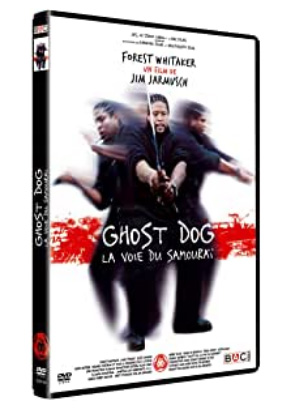
Ghost Dog: The Way of the Samurai
Synopsis
Ghost Dog is a solitary hitman who lives on a rooftop in New Jersey and communicates through carrier pigeons. He follows the ancient code of the samurai, as described in the book Hagakure, and serves a mobster named Louie, who once saved his life. When a job goes wrong, the Mafia decides that Ghost Dog must be eliminated, and he becomes the hunted. The film is a quiet, offbeat crime drama that blends hip-hop, philosophy and gangster movie tropes.
The Making of the Film
Ghost Dog: The Way of the Samurai was written and directed by Jim Jarmusch, one of the leading figures of American independent cinema. The film draws on the Japanese text Hagakure, a collection of reflections on the samurai code, as well as on Jean-Pierre Melville's classic "Le Samouraï". Forest Whitaker plays the title character, with Isaach de Bankolé, Henry Silva, John Tormey and Cliff Gorman in key roles. The film mixes the traditions of Japanese samurai cinema with the world of American hip-hop and the Mafia. It was presented in competition at the Cannes Film Festival in 1999.
Reviews and Reception
Summary of Professional Reviews
Critics responded very positively, praising the film's originality, deadpan humor and Forest Whitaker's understated performance. Many noted how Jarmusch blended unlikely genres into a coherent and poetic whole. A few reviewers found its slow pace and mix of influences challenging. Overall, it was considered one of the director's most accessible and distinctive works.
Audience Reception
The film found a devoted cult following and has been regularly rediscovered by new audiences over the years. Viewers appreciate its quiet philosophy, its offbeat characters and its soundtrack. It was not a major box-office success, but it influenced many later filmmakers. It remains a favorite of fans of independent cinema.
Themes Explored
The film is a meditation on honor, loyalty and living according to a personal code. It contrasts the dignity of the samurai ideal with the decay and pettiness of the modern Mafia. The idea of cultural dialogue is central, as ancient Japanese philosophy meets contemporary American street culture. Loneliness and friendship appear in the unusual bonds that Ghost Dog forms with a French-speaking ice cream vendor and a young girl. Death is treated with calm acceptance, in keeping with the samurai tradition. The film also reflects on the fading of traditions in a changing world.
Ending Explained
In the final confrontation, Ghost Dog stands before Louie, the man he has sworn loyalty to, who has been ordered to kill him. In keeping with his code, Ghost Dog allows himself to be shot, fulfilling his duty to his master even at the cost of his life. He leaves behind his books, which are passed on to a young girl who has befriended him. The ending suggests that his philosophy will live on beyond his death.
Meaning of the Title
The title combines the character's name, Ghost Dog, with a reference to "the way of the samurai", or Bushido. The phrase positions the story as a modern retelling of the warrior's code. It highlights the central tension between ancient ideals and present-day reality.
Soundtrack
The film's score was composed by RZA of the Wu-Tang Clan, who created a hypnotic blend of hip-hop beats and atmospheric textures. His music perfectly supports the film's fusion of cultures and gives it a distinctive rhythm. The soundtrack is widely regarded as one of the most memorable of Jarmusch's career.
Similar Films
- Le Samouraï (1967): Melville's classic about a solitary hitman.
- Dead Man (1995): another Jarmusch film with a spiritual and offbeat tone.
- Léon: The Professional (1994): a lonely hitman forms an unlikely bond.
- Kill Bill: Volume 1 (2003): a stylized homage to samurai and crime cinema.