

 Français
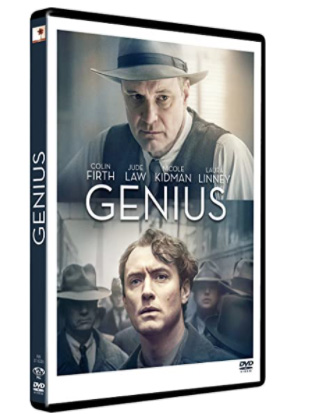
Genius
Synopsis
Set in the vibrant literary world of 1920s New York City, the biographical drama chronicles the intense, complex professional and personal relationship between literary giant Thomas Wolfe and legendary Scribner publishing editor Maxwell Perkins. Perkins, known for discovering icons like F. Scott Fitzgerald and Ernest Hemingway, receives a massive, unedited 1,000-page manuscript from the eccentric, hyperactive Wolfe. Through grueling editorial sessions, Perkins helps shape Wolfe's rambling prose into published masterpieces, forging a deep surrogate father-son bond. The biographical drama explores the creative friction behind great literature.
The Making of the Film
Director Michael Grandage adapted the film from A. Scott Berg's National Book Award-winning biography Max Perkins: Editor of Genius. The inspiration stemmed from exploring the unsung heroes of literature—the brilliant editors who labor behind the scenes to transform raw manuscripts into timeless classics. The production team invested heavily in authentic 1930s New York period design, jazz club atmospheres, and vintage publishing houses. The script was structured to highlight the contrasting personalities of the quiet editor and the flamboyant author.
Critical Reception and Reviews
Professional critics gave mixed reviews, praising the stellar lead performances by Colin Firth and Jude Law, while criticizing the film's conventional biopic structure and overly safe narrative approach. Reviewers noted that the dynamic between Firth's reserved Perkins and Law's exuberant Wolfe provided compelling dramatic friction. Public reception was moderate among literary enthusiasts. The film earned modest appreciation for its period authenticity and exploration of the publishing world.
Filming Anecdotes
Director Michael Grandage drew visual inspiration from 1930s documentary photography, classic publishing house archives, and period jazz culture. Production took place on location in Manchester and London, utilizing soundstages to recreate vintage New York office spaces and smoky jazz venues. During the filming of intense manuscript-editing scenes, Colin Firth and Jude Law worked closely with historical literary advisers. Law embraced Wolfe's frantic, energetic writing habits with passionate intensity.
Themes Explored
The film explores the creative process, mentorship, friendship, the sacrifice of editing, and the burden of artistic genius.
The poignant conclusion shows Perkins visiting a dying Thomas Wolfe in hospital, where Wolfe leaves him a final heartfelt letter acknowledging Perkins as his true literary father.
Meaning of the Title
The title refers doubly to the artistic genius of Thomas Wolfe and the editorial genius of Maxwell Perkins, whose collaboration shaped modern literature.
The film remains a fascinating biographical exploration of the behind-the-scenes world of classic literary publishing.
Capote, As I Lay Dying, The Professor and the Madman