

 Français
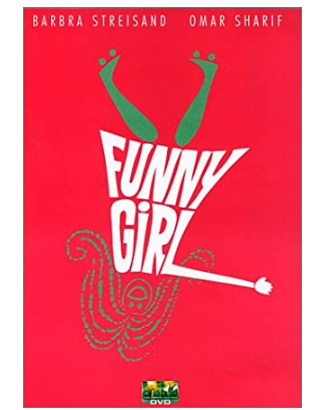
Funny Girl
Synopsis
This biographical musical comedy-drama follows the rise of legendary entertainer Fanny Brice from a quirky Brooklyn teenager to a beloved star of the Ziegfeld Follies. Despite lacking traditional glamorous looks, Fanny charms audiences with her brilliant comedic timing, self-deprecating humor, and incredible vocal talent. Her professional success skyrockets, but her personal life grows complicated when she falls deeply in love with the charming, high-stakes gambler Nick Arnstein. As Nick's fortunes dwindle and his ego suffers, their marriage strains under the weight of her fame.
The Making of the Film
The film is based on Isobel Lennart's Broadway musical of the same name, which was fictionalized from the real life of entertainer Fanny Brice. Director William Wyler, renowned for epic dramas, took on his first musical to bring Barbra Streisand's legendary stage triumph to the screen. Ray Stark, Brice's real-life son-in-law, produced the film to ensure a respectful yet entertaining cinematic tribute. Columbia Pictures heavily backed the lavish production, recreating early 20th-century New York theaters and Vaudeville stages with stunning detail.
Critical Reception
Upon its release, Funny Girl became a massive critical and commercial blockbuster, launching Barbra Streisand into global superstardom. Critics lauded Streisand's powerhouse vocals, magnetic screen presence, and fearless comedic performance, cementing her as an instant screen legend. Reviewers praised William Wyler's confident direction and the rich recreation of theatrical history. Audiences flooded theaters to experience the emotional highs and lows of Fanny and Nick's turbulent romance. Viewers worldwide connected with the universal theme of a woman striving for success while navigating love and heartbreak. The film earned eight Academy Award nominations, with Barbra Streisand winning the Oscar for Best Actress in a historic tie with Katharine Hepburn.
Behind-the-Scenes Stories
William Wyler drew inspiration from archival Vaudeville recordings and historical photographs of the Ziegfeld Follies era to recreate authentic backstage life. Production was intense, marked by initial skepticism from veteran director Wyler regarding film newcomer Barbra Streisand's on-set demands. Streisand performed her major vocal numbers live on set rather than lip-syncing to pre-recorded tracks, stunning the crew with her precision. The initial casting for Nick Arnstein considered several major leading men before Omar Sharif was chosen, sparking political controversy in Egypt at the time.
Themes Explored
The film explores female ambition, the sacrifice required to balance career success with romantic fulfillment, and self-acceptance. It examines class boundaries, gambling addiction, and the bittersweet nature of show business fame.
Ending Explained
The poignant conclusion finds Fanny and Nick parting ways amicably outside a New York stage door after realizing their marriage cannot survive his criminal downfall and wounded pride. As the iron stage door closes, Fanny steps back into the spotlight to sing 'My Man,' channeling her personal heartbreak into a transcendent, tear-jerking musical performance that solidifies her artistry.
Meaning of the Title
The title 'Funny Girl' refers directly to Fanny Brice's signature self-deprecating stage persona, embracing her comedic looks and talent to conquer the entertainment world.
Original Soundtrack
Featuring iconic musical numbers like 'People' and 'Don't Rain on My Parade', the soundtrack became a legendary commercial smash and a staple of American musical theater.
Similar Films
'A Star Is Born', 'Cabaret', and 'Gypsy' share similar backstage musical ambition, romantic heartbreak, and towering female lead performances.