

 Français
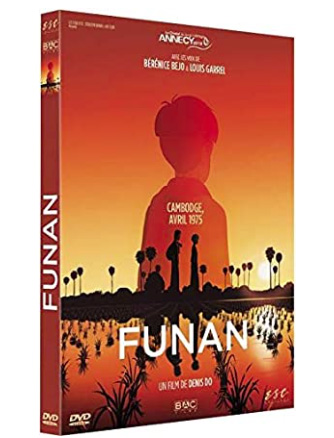
Funan
Synopsis
Set during the turbulent Khmer Rouge regime in Cambodia, a young mother named Chou struggles desperately to keep her family alive after being forcibly separated from her young son. Working relentlessly in harsh labor camps, she fights against starvation, despair, and brutal oppression. Based on true historical events, this powerful animated feature tells a harrowing story of survival and maternal resilience. It is an unforgettable testament to the human spirit in the darkest of times.
The Making of the Film
The film is deeply rooted in personal history, directed by Denis Do, whose own family survived the Cambodian genocide. The director was inspired to tell this story to honor the resilience of his mother and other survivors of the Khmer Rouge regime. Years of research and survivor interviews went into crafting an authentic and respectful narrative. The project was conceived as an animated feature to allow delicate yet powerful storytelling of profound historical trauma.
Critical Reception
Professional critics lauded the film for its emotional depth, artistic animation style, and courageous handling of a difficult historical subject. Reviewers praised the sensitive direction and the powerful voice performances that brought profound realism to the tragedy. It received high critical acclaim across numerous international film festivals for its artistic integrity.
Public reception was deeply emotional, with audiences expressing admiration for its unflinching portrayal of survival and love. Viewers noted that animation provided a unique and respectful medium for exploring such a dark chapter of history. It resonated strongly with those interested in historical dramas and human rights narratives.
Awards and recognition included winning the prestigious Cristal for a Feature Film at the Annecy International Animation Film Festival. It also garnered critical acclaim and awards at various other global film events. The film established Denis Do as a major new voice in independent animation.
Filming Anecdotes
The director drew direct inspiration from his mother's harrowing accounts of forced relocation and camp life under the Khmer Rouge. The visual style was carefully chosen to balance the brutal reality of the historical events with poetic, expressive animation. Artists used muted color palettes to reflect the bleak atmosphere of the labor camps while preserving emotional warmth through character expressions.
Production challenges involved maintaining historical accuracy while crafting a cohesive narrative arc suitable for a feature-length film. The animation team spent countless hours researching period-accurate clothing, landscape architecture, and camp layouts. Every detail was meticulously verified to honor the memory of those who lived through the tragedy.
A memorable anecdote relates to the recording sessions for the voice actors, who often broke down in tears due to the raw emotional weight of the script. Lead voice actress Bérénice Bejo poured immense personal dedication into conveying Chou's quiet strength and desperation. This emotional authenticity translated directly into the final animated performances.
The casting process focused on finding actors who could convey deep emotional resonance solely through their voice work. Bérénice Bejo and Louis Garrel were brought on board to lead the French voice cast with exceptional sensitivity. Their performances anchored the harrowing narrative in profound humanity.
Themes Explored
The film explores themes of maternal love, survival, political oppression, and the preservation of human dignity. It examines the devastating impact of totalitarian regimes on ordinary family lives. Despite the overwhelming tragedy, it highlights hope, memory, and the unbreakable bond between a mother and her child.
Explanation of the Ending
The ending delivers a poignant resolution as Chou continues her relentless search for her lost son amidst the chaotic aftermath of the regime's collapse. While the scars of the past remain permanent, the narrative emphasizes survival, reunification, and the endurance of hope. It closes on a note of quiet resilience and remembrance.
Title Significance
The title 'Funan' refers to the ancient historical kingdom of Cambodia, symbolizing the deep-rooted cultural heritage of the country. In the context of the film, it serves as a poignant reminder of the rich history that survived the tragic upheavals of the 20th century. The name connects personal survival with national identity.
The film continues to be screened at human rights film festivals and educational institutions worldwide to promote historical awareness.
The Breadwinner, Persepolis, Waltz with Bashir, First They Killed My Father