

 Français
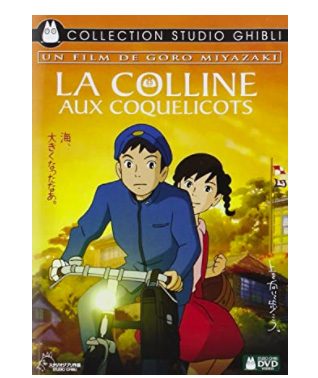
From Up on Poppy Hill
Synopsis
Set in Yokohama in 1963, high school students Umi and Shun join forces to save their school's historic clubhouse from demolition ahead of the Tokyo Olympics. As they work together to clean and restore the building, a deep friendship blossoms into romantic feelings between them. However, a complicated secret from their past threatens to tear them apart as they uncover startling truths about their fathers. Together, they navigate adolescent growing pains while holding onto hope for the future.
The Making of the Film
The film was directed by Goro Miyazaki, based on a popular 1980 Japanese shōjo manga written by Chizuru Takahashi and illustrated by Tetsuro Sayama. Legendary filmmaker Hayao Miyazaki, Goro's father, penned the screenplay adaptation and structured the historical setting. The inspiration came from a desire to portray post-war Japan in 1963 as the country prepared for the Tokyo Olympic Games, capturing a society on the verge of rapid modernization. The creators wanted to highlight youthful idealism, community spirit, and traditional values against a changing architectural landscape.
Critical Reception
Professional critics praised the film for its gorgeous hand-drawn animation, meticulous period detail, and gentle, nostalgic storytelling. Reviewers highlighted the refreshing focus on grounded human drama and youthful cooperation rather than supernatural fantasy elements typical of Studio Ghibli. Critics appreciated how the film captured the subtle emotional turbulence of teenage romance without resorting to artificial melodrama. Public reception was overwhelmingly positive, enchanting audiences worldwide with its warm depiction of 1960s Japanese student life. The film won the Japan Academy Prize for Animation of the Year, cementing its status as a beloved Ghibli classic.
Behind-the-Scenes Stories
Director Goro Miyazaki drew heavy inspiration from actual historical photographs of 1960s Yokohama and student protest movements across Japan. Production required extensive research into post-war Japanese architecture, maritime flags, and daily school routines of the era. During the recording of the clubhouse cleaning sequences, the voice actors collaborated closely to capture the lively, overlapping banter of enthusiastic teenagers. The casting process paired experienced voice talents with young actors to deliver authentic, grounded performances.
Themes Explored
The film explores youth activism, historical preservation, post-war national recovery, identity, and the delicate transition from childhood friendship to romantic love.
The secret regarding Umi and Shun's families is ultimately resolved when surviving acquaintances clarify their past lineage, allowing the young couple to embrace their future together.
The title refers to the signal flags that Umi hoists every morning at her oceanside boarding house, dedicated to her late father.
Original Soundtrack
The soundtrack features an exquisite 1960s-inspired score and theme songs composed by Satoshi Takebe, highlighted by the enchanting vocal performances of Aoi Teshima that capture the nostalgic mood of post-war Japan.
Studio Ghibli continues to celebrate the film's timeless aesthetic through special anniversary screenings and merchandise releases.
The Wind Rises, Whisper of the Heart, Only Yesterday