

 Français
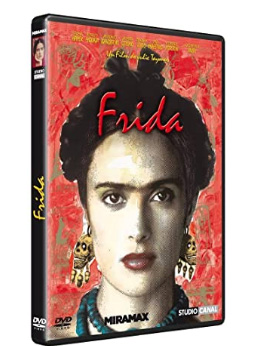
Frida
Synopsis
This biographical television drama explores the extraordinary life, tempestuous romance, and artistic genius of iconic Mexican painter Frida Kahlo. From her debilitating bus accident in her youth to her turbulent marriage to legendary muralist Diego Rivera, the narrative captures the pain and passion that fueled her art. Set against the vibrant backdrop of post-revolutionary Mexico and the international art scene, the film portrays her fierce political activism and unyielding spirit. It is a deeply moving tribute to a revolutionary artist who transformed her physical suffering into immortal masterpieces.
The Making of the Film
The project originated from a profound cultural desire to honor the legendary Mexican artist whose life and work continue to inspire global audiences. The filmmakers sought to create a sensitive, authentic biographical portrait that balanced her immense artistic output with her complex personal relationships. Inspiration was drawn from her personal diaries, historical archives of Coyoacán, and comprehensive art-historical analyses. The creative team aimed to capture the vibrant colors, emotional intensity, and revolutionary spirit that defined her extraordinary existence.
Critical Reception
Critics offered favorable reviews for the production's passionate storytelling, rich visual imagery, and emotionally resonant lead performances. Reviewers noted that the film successfully captured the tumultuous energy of the Mexican art scene and the deep psychological scars left by the artist's physical accident. The depiction of her volatile marriage to Diego Rivera received particular praise for its raw emotional honesty and dramatic intensity. Critics also commended the vibrant cinematography that mirrored the distinct palette of her paintings.
General audiences responded with deep admiration, especially art enthusiasts and admirers of Latin American cultural history. Viewers praised the film for its emotional depth and its uncompromising portrayal of physical pain, resilience, and creative passion. Word-of-mouth recommendations helped sustain strong viewership across cultural broadcasting networks. It was widely appreciated as a respectful and passionate tribute to a towering artistic icon.
Awards season brought notable recognition, particularly in television and international cultural categories, honoring its outstanding art direction and costume design. The production was praised by art historians for its meticulous attention to detail in recreating her famous studio and home environment. Individual acting accolades highlighted the powerful emotional range brought to the central biographical role. These honors cemented its reputation as a commendable achievement in biographical television.
Behind-the-Scenes Stories
The director drew heavy visual inspiration from Mexican folk art, surrealist aesthetics, and the actual paintings of Frida Kahlo to establish the film's striking color palette. Every set was meticulously designed to evoke the vibrant atmosphere of the famous Blue House in Coyoacán. The production team collaborated closely with art historians to ensure that the artistic techniques, easels, and period props reflected authentic historical practices. These artistic choices created a deeply immersive environment that honored her unique visual world.
Production presented significant logistical challenges, particularly in executing complex makeup and prosthetic applications to simulate the physical injuries and lifelong medical treatments. Constructing convincing replicas of her famous artwork while respecting copyright and historical precision required meticulous coordination from the art department. Shooting across authentic Mexican locations added profound cultural resonance but demanded careful schedule management. Furthermore, balancing the dense emotional narrative within a standard television format required rigorous script editing.
During the filming of the emotionally charged studio sequences, the lead actress utilized immersive preparation techniques to capture the physical agony and creative ecstasy of the artist. The director fostered an intimate, collaborative set environment that allowed the cast to explore complex emotional dynamics safely. The crew utilized rich natural lighting and warm color grading to emphasize the passionate atmosphere of post-revolutionary Mexico. This dedication resulted in raw, deeply affecting dramatic performances.
Casting focused on finding an actress with profound emotional depth, cultural resonance, and the dramatic capability to embody such a complex historical figure. The lead performer was chosen for her striking intensity and ability to convey fierce resilience beneath physical fragility. Supporting actors were selected for their skill in portraying the larger-than-life personalities of the Mexican artistic and political elite. This thoughtful casting strategy anchored the biographical drama in authentic human relationships.
Themes Explored
The narrative deeply explores themes of physical suffering, resilience, and the transformation of pain into transcendent artistic creation. It examines the tumultuous nature of love, jealousy, and loyalty within a unconventional marriage. Additionally, it highlights political radicalism, Mexican national identity, and female empowerment. Ultimately, the film reflects on mortality, passion, and the eternal immortality of true artistic expression.
Ending Explained
The story concludes with the artist finding peace and recognition in her final exhibition despite her failing health, leaving behind a legacy that transcends time. As her spirit seemingly breaks free from physical torment, the final scenes celebrate her enduring artistic triumph and cultural immortality. This poignant resolution honors a life defined by extraordinary courage and creative brilliance.
Meaning of the Title
The title simply references the first name of the iconic artist, symbolizing her unique personal branding and legendary status in global art history.
Similar Films
Films sharing similar biographical and artistic themes include Frida (2002), Camille Claudel (1988), and Loving Vincent (2017).