

 Français
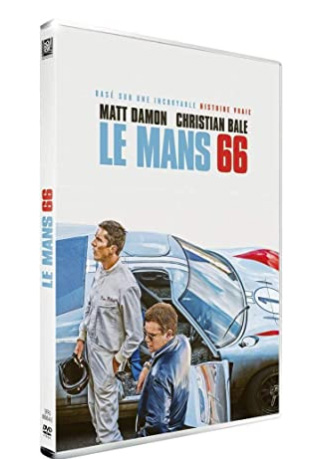
Ford v Ferrari
Synopsis
In the mid-1960s, Henry Ford II and automotive visionary Lee Iacocca face plummeting sports car sales and decide to revolutionize their brand by entering international motorsports. They enlist stubborn British racing driver and engineer Ken Miles alongside legendary car designer Carroll Shelby to build an entirely new race car capable of defeating dominant Ferrari at the grueling 24 Hours of Le Mans. Battling corporate interference, mechanical failures, and strict traditional rules, Shelby and Miles push themselves and their machine to the absolute limit. This high-octane biographical sports drama celebrates engineering genius and fierce determination.
The Making of the Film
Project development began years prior with various iterations before landing at 20th Century Fox, driven by a passion to tell the true story of Carroll Shelby and Ken Miles. Director James Mangold came aboard to helm the project, focusing as much on the deeply human friendship between the two leads as on the high-speed racing action. Screenwriters Jez Butterworth, John-Henry Butterworth, and Jason Keller meticulously researched historical archives and interviewed surviving family members to ensure accuracy. The production aimed to capture the visceral danger and roaring mechanical horsepower of 1960s endurance racing.
Critical Reception
Upon its theatrical release, Ford v Ferrari received widespread critical acclaim, lauded as one of the finest sports and racing dramas ever produced. Critics praised James Mangold's gripping direction, breathtaking race sequences, and the magnetic chemistry between lead actors Matt Damon and Christian Bale. Audiences turned it into a major box-office hit, praising its emotional depth, humor, and respect for engineering history. The film earned four Academy Awards nominations, winning two for Best Film Editing and Best Sound Editing.
Anecdotes_tournage
Christian Bale underwent a drastic physical transformation, losing significant weight following his previous role to authentically portray the lean, intense racing driver Ken Miles. Matt Damon and Bale attended intensive racing school to handle high-performance vintage sports cars on track during authentic stunt sequences. Director James Mangold minimized computer-generated imagery, preferring practical racing footage captured by chase cameras mounted on real vintage race cars. During filming, Bale famously terrified Damon by driving him at reckless speeds around tight track corners during rehearsal laps.
Themes Explored
The film explores the clash between corporate bureaucracy and individual creative passion, genius, and craftsmanship. It examines the deep bonds of brotherhood, loyalty, and mutual respect forged through shared adversity. Furthermore, it celebrates the obsessive pursuit of perfection and the willingness to risk everything for a singular dream.
Explication_fin
At the 1960s Le Mans endurance race, Ken Miles dominates the track and builds an insurmountable lead, but corporate orders force him to slow down so Ford cars can cross the finish line in a synchronized publicity photo finish. Due to a technicality regarding starting grid positions, Miles is denied the official first-place victory trophy despite clearly winning the race in spirit. Shortly after, tragically killed during a routine vehicle test drive, Miles leaves behind a legacy immortalized by Shelby's enduring friendship. The final scene shows Shelby mourning his friend while keeping Miles's passionate racing spirit alive.
Meaning of the Title
The English title Ford v Ferrari captures the epic, high-stakes corporate and athletic rivalry between the American automotive giant Ford Motor Company and the proud Italian racing powerhouse Ferrari. It establishes a David-versus-Goliath narrative structure centered around engineering dominance on the racetrack. The title highlights the industrial clash that drove the historical events.
Marco Beltrami and Buck Sanders crafted a roaring, blues-infused orchestral score that expertly blended driving electric guitars with soaring brass melodies to mirror the raw horsepower of the racing engines.
Rush, Senna, Days of Thunder, Gran Turismo