

 Français
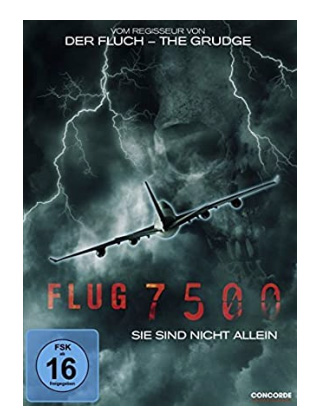
Flight 7500
Synopsis
Pacific Continental Flight 7500 departs Los Angeles International Airport bound for Tokyo, carrying a diverse group of ordinary passengers and exhausted flight attendants through a routine overnight journey. Midway across the vast Pacific Ocean, the aircraft encounters violent, mysterious turbulence that rattles nerves and creates cabin anxiety. Soon after, an eccentric passenger mysteriously dies in his seat under bizarre circumstances, plunging the cabin into panic and suspicion. As strange supernatural phenomena begin manifesting throughout the aircraft, the remaining passengers realize they are trapped aboard a flying coffin with an ancient evil.
The Making of the Film
Directed by Japanese horror master Takashi Shimizu, famous for creating The Grudge, the supernatural thriller was produced by CBS Films to bring Japanese J-horror atmospheric dread into a confined airplane setting. Shimizu sought to explore claustrophobic terror, aviation anxiety, and supernatural haunting tropes at thirty thousand feet. Screenwriter Craig Rosenberg crafted a mystery-box narrative filled with psychological misdirection. The production utilized a full-scale airplane fuselage soundstage in Los Angeles.
Critical Reception
Critical reception for the film was overwhelmingly negative, with reviewers panning its predictable jump scares, underdeveloped characters, and derivative ghost-train plotting. Critics felt the promising airplane-confinement premise was wasted on clichéd horror tropes and sluggish pacing. Audiences offered a weak box office response, leading to direct-to-video distribution in many international markets. It is remembered as a forgettable entry in aviation horror cinema.
Behind-the-Scenes Stories
The entire primary aircraft cabin set was built on a hydraulic motion platform in Los Angeles to simulate authentic turbulence and shaking during flight sequences. Director Takashi Shimizu utilized subtle shadow play and eerie sound design rather than excessive CGI to build suspense. The cast spent grueling weeks filming inside the cramped, windowless fuselage soundstage to maintain authentic cabin exhaustion. Ryan Kwanten brought grounded sincerity to his role as an exhausted passenger.
Themes Explored
The film explores aviation fear, supernatural hauntings, claustrophobia, sudden death, and unfinished emotional business. It highlights isolation at thirty thousand feet, passenger suspicion, and ghostly vengeance. Airplane cabin confinement drives the horror plot. It also touches upon guilt.
Ending Explained
In a shocking M. Night Shyamalan-style twist, it is revealed that the severe turbulence at the beginning of the flight actually caused a sudden explosive decompression that killed all passengers and crew instantly. The entire narrative of the film took place in the ghostly purgatory of their unconscious minds as their souls processed their own deaths mid-flight. As the doomed aircraft finally lands at Haneda Airport in Tokyo, the ghostly passengers step out into the terminal into the afterlife. The conclusion provides a dark, chilling supernatural revelation.
Meaning of the Title
The title "Flight 7500" refers directly to the international aviation emergency transponder code for an aircraft hijacking or airborne emergency, signaling doom from the start. It symbolizes danger and crisis. The phrase sets a tense supernatural thriller tone.
Ian Honeyman composed a chilling, ambient electronic and orchestral score that heightened the claustrophobic airplane dread and ghostly terror.
Red Eye, Non-Stop, Flightplan, The Langoliers