

 Français
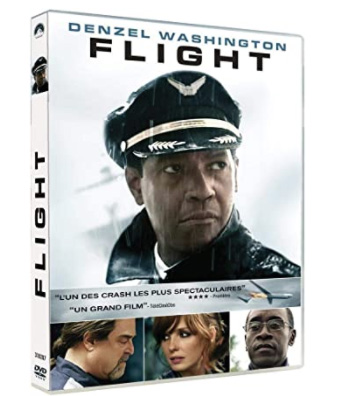
Flight
Synopsis
A seasoned airline pilot manages to miraculously land a severely damaged commercial airliner after a catastrophic mechanical failure, saving almost all souls on board. Initially hailed as a national hero by the public, his heroic facade begins to crumble as toxicology reports reveal he was under the influence of alcohol and drugs during the flight. While facing a federal investigation that threatens to send him to prison for life, he must confront his severe addiction demons. This compelling drama explores personal responsibility, addiction, and redemption.
The Making of the Film
The concept for Flight originated from a screenplay written by John Gatins, who was inspired by real-life aviation incidents where pilots performed extraordinary maneuvers under immense pressure. Producer Laurie MacDonald and director Robert Zemeckis were drawn to the project because it presented a deeply flawed, complex protagonist struggling with addiction rather than a traditional flawless hero. The production team wanted to ground the opening plane crash sequence in terrifying realism before shifting the focus to an intimate character study about alcoholism. The film marked Robert Zemeckis's return to live-action filmmaking after years of directing computer-animated features.
Critical Reception
Professional critics gave overwhelmingly positive reviews to Flight, particularly lauding Denzel Washington's powerhouse, harrowing lead performance as the troubled pilot. Reviewers praised the film for its unflinching, honest portrayal of addiction and the gripping, heart-pounding realism of the emergency crash sequence. The public responded enthusiastically, turning the drama into a major box office success and a critical darling. Audiences were captivated by the moral ambiguity of the protagonist's journey toward self-accounting. The film earned two Academy Award nominations, including a Best Actor nod for Denzel Washington and Best Original Screenplay for John Gatins.
Filming Anecdotes
Director Robert Zemeckis drew inspiration from classic character-driven dramas and real-life aviation disaster investigations to craft an authentic atmosphere. Production utilized a custom-built, hydraulic full-scale airplane cockpit set that could spin 360 degrees to simulate the terrifying inverted crash sequence. During the filming of the intense hotel room and courtroom scenes, Denzel Washington worked closely with director Zemeckis to portray the raw, unpredictable physical tremors of alcohol withdrawal. Before Denzel Washington secured the role, several other high-profile actors were considered, but Washington's gravitas made him the definitive choice.
Main Themes
The film explores deep themes of alcoholism, addiction, denial, personal accountability, and the painful path toward ultimate honesty. It examines the illusion of control and how trauma can fuel self-destructive behavior. Furthermore, it highlights the courage required to face one's flaws and accept legal and personal consequences.
Ending Explanation
The climax resolves the legal crisis when Whip Whitaker realizes he cannot lie during the final federal accident hearing without implicating his loyal flight attendant and sacrificing his remaining integrity. In a powerful turning point, he confesses that he was intoxicated during the flight, choosing prison and sobriety over a lie that would protect his freedom. Months later, serving time in prison, he has finally achieved true sobriety and found peace, reconciling with his estranged son who visits him with forgiveness. The film ends on a hopeful note of spiritual liberation through absolute truth.
Title Significance
The title carries a double meaning, referring both to the literal airline flight that sparks the narrative crisis and the protagonist's emotional flight from his inner demons and addiction.
NULL
NULL
Leaving Las Vegas, Sully, The Verdict, A Star Is Born