

 Français
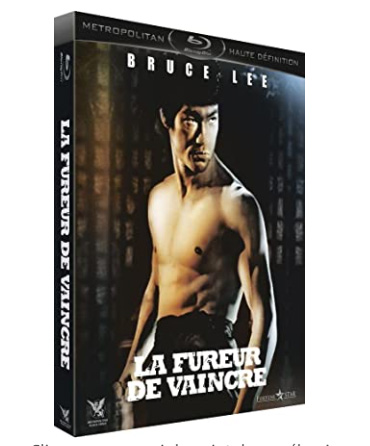
Fist of Fury
Synopsis
Set in early 20th-century Shanghai, martial arts master Chen Zhen returns to his Jing Wu school only to discover that his beloved master has died under mysterious circumstances. Consumed by grief and suspicion, he soon uncovers a web of corruption and racial discrimination perpetrated by a rival Japanese martial arts dojo. Driven by vengeance and a fierce sense of national pride, Chen takes matters into his own hands using his legendary nunchaku skills. A bloody and relentless crusade for justice ensues across the colonial city.
The Making of the Film
- The project was conceived by producer Raymond Chow and director Lo Wei as a follow-up vehicle to cement Bruce Lee's superstardom following the success of The Big Boss. The storyline was inspired by real historical tensions between Chinese nationalists and foreign colonial powers in early 20th-century Shanghai. Lee wanted the narrative to reflect authentic themes of anti-imperialism and cultural pride rather than simple revenge. Golden Harvest financed the production to capitalize on the rising popularity of martial arts cinema across international markets.
Critical Reception
Professional critics gave the film positive reviews upon its international release, praising Bruce Lee's electric screen presence, martial arts choreography, and intense emotional delivery. Many reviews highlighted how the film elevated the martial arts genre by blending high-energy action with serious patriotic drama. Reviewers noted that Lee's performance was a masterclass in physical intensity and screen magnetism. Overall, it was received as a monumental milestone in martial arts cinema.
Public reception was overwhelmingly ecstatic, turning the movie into a massive box office smash across Asia and establishing Bruce Lee as a global cultural icon. Audiences cheered for the iconic dojo infiltration scene and the groundbreaking introduction of nunchaku combat on screen. Word of mouth propelled the film to legendary status among action enthusiasts worldwide. Spectators frequently cited the emotional weight and thrilling fight choreography as unforgettable highlights.
The film earned numerous accolades at regional film awards for its outstanding action choreography, box office performance, and cultural impact. It cemented Golden Harvest as a dominant studio in international action cinema. The cinematic influence of its revenge narrative remains celebrated by modern filmmakers today.
Filming Anecdotes
The director drew inspiration from classic martial arts folklore, historical accounts of foreign imperialism, and traditional Chinese heroic legends. He wanted the visual style to emphasize gritty, raw combat choreography that showcased Bruce Lee's unparalleled athletic speed. Cinematic influences ranged from traditional Peking Opera staging to gritty crime thrillers. These artistic choices helped establish a fierce, authentic tone that resonated deeply with audiences.
Production presented intense physical challenges, as Bruce Lee took complete creative control over the martial arts choreography to ensure maximum realism and visual impact. Lee personally introduced the nunchaku to mainstream cinema during this production, spending countless hours practicing weapon techniques. The supporting cast of rival martial artists underwent rigorous training to keep pace with Lee's blinding speed during fight sequences. Crew members often recalled the high-energy studio environment as an intense test of physical endurance.
One particularly memorable sequence involved Chen Zhen single-handedly defeating an entire rival Japanese dojo in a chaotic, bruising brawl. This sequence required meticulous coordination to ensure the stuntmen safely absorbed Lee's powerful kicks and strikes. Lee performed the entire sequence with intense focus, executing rapid combinations without digital enhancements. Crew members frequently noted that this specific scene defined the ultimate cinematic legacy of the actor.
The initial casting process sought talented martial artists and actors who could authentically portray fierce national rivalries and competitive dojo politics. Veteran actors like James Tien and Tony Liu were brought in to flesh out the supporting student roles. Nora Miao was cast as the female lead, providing emotional grounding amidst the violent conflict. This ensemble created the dramatic tension necessary for the revenge plot.
Themes Explored
- National pride, cultural identity, and resistance against colonial oppression.
- Vengeance, grief, and the destructive cycle of retaliatory violence.
- Honor, loyalty, and defending the legacy of fallen masters.
- Individual strength versus systemic injustice.
Ending Explained
The climax features Chen Zhen walking out of the Jing Wu school into a courtyard surrounded by a firing squad of foreign soldiers after avenging his master. Refusing to surrender to colonial authorities, Chen leaps forward with a flying kick toward the soldiers in a defiant act of ultimate sacrifice. The screen freezes dramatically on his airborne figure right before the gunfire erupts, leaving his immediate fate ambiguous. This powerful, tragic conclusion immortalizes him as a defiant folk hero.
Title Significance
The English title "Fist of Fury" highlights the explosive anger and righteous vengeance driving the protagonist's martial arts crusade. It symbolized the raw power and emotional fury unleashed against injustice.
Similar Films
- The Chinese Connection (1972)
- Enter the Dragon (1973)
- The Big Boss (1971)
- Fist of Legend (1994)
- Ip Man (2008)