

 Français
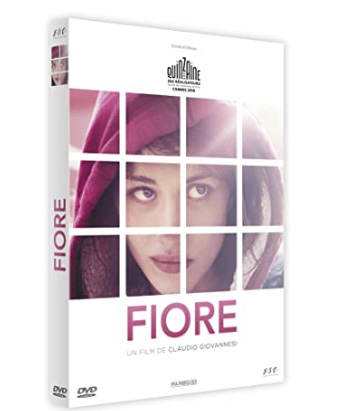
Fiore
Synopsis
Set in a gritty juvenile detention facility in Rome, Carla is a troubled teenage girl serving time for robbery who falls into a rebellious routine behind bars. Inmates are strictly segregated by gender, making romantic contact nearly impossible until she catches the eye of a charismatic young inmate named Josh from the male wing through barred windows and courtyard glimpses. A passionate, forbidden romance sparks between them, sustained entirely through stolen glances, secret love letters, and illicit rooftop meetings. As their prison sentences clash with institutional rules, their desperate love story faces heartbreaking reality.
The Making of the Film
Directed and co-written by Italian filmmaker Claudio Giovannesi, the gritty romantic drama was conceived to explore adolescent love and institutional confinement within Italian juvenile detention centers. Giovannesi cast non-professional actors discovered in real youth detention facilities and Roman suburbs to ensure raw, authentic street realism. The production aimed to combine neorealist cinema traditions with a tender teenage love story. The screenplay focused on the psychological pressure of incarceration on youth.
Critical Reception
Critical reception for the film was overwhelmingly positive, with reviewers praising its raw neorealist authenticity, powerful lead performances by non-professional actors, and tender emotional heart. Critics lauded Giovannesi for capturing the claustrophobic brutality of youth detention juxtaposed against pure adolescent romance. The film premiered to critical acclaim at the Cannes Film Festival, winning numerous international festival awards. It is celebrated as a stunning Italian neorealist gem.
Behind-the-Scenes Stories
Director Claudio Giovannesi spent months conducting casting workshops inside real Italian juvenile detention facilities before discovering Daphne Scoccia and Josciua Algeri, who had no prior acting experience. The production was filmed on location inside an authentic youth prison in Rome, utilizing real inmates and staff as background extras. The actors' natural street accents and improvised dialogue added gritty realism. The clandestine rooftop meetings required careful physical coordination.
Themes Explored
The film explores forbidden adolescent love, juvenile incarceration, institutional confinement, and rebellion against prison rules. It highlights youth delinquency, redemption, and the healing power of affection behind bars. Prison walls drive the dramatic tension. It also touches upon family.
Ending Explained
Following a failed escape attempt and intensified prison security crackdowns, Carla and Josh are permanently separated into distant correctional facilities, bringing an abrupt end to their clandestine meetings. Despite their physical separation, their love remains an enduring memory that marks their difficult passage into adulthood. Carla is eventually released from juvenile detention, stepping out into the Roman streets with a hardened yet tender heart. The conclusion provides a bittersweet, realistic Italian neorealist finale.
Meaning of the Title
The Italian title "Fiore" translates to "Flower" in English, symbolizing delicate beauty and life blooming amidst the harsh, concrete brutality of a juvenile prison. It represents the pure romance. The single-word title sets a gritty neorealist drama tone.
Andrea Moscianese and Daniele Dezi composed a minimalist, melancholic indie score that accentuated the prison isolation and romance.
The Dreamers, Gomorrah, Fish Tank, Rosetta