

 Français
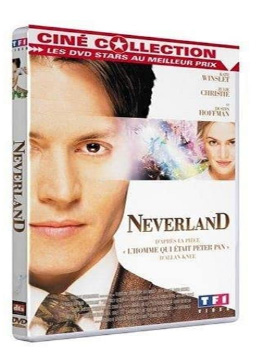
Finding Neverland
Synopsis
Set in London during 1904, struggling playwright J.M. Barrie faces severe creative burnout after his latest play is poorly received by upper-class theatergoers. While seeking inspiration in Kensington Gardens, he befriends Sylvia Llewelyn Davies, a young widowed mother, and her four imaginative young boys. Spending time playing whimsical make-believe games with the children revives Barries inner childhood and sparks the creation of his masterpiece, Peter Pan. Despite gossip from London society and Sylvias failing health, Barrie brings the magic of Neverland to life on stage.
The Making of the Film
Screenwriter David Magee adapted the film from Allan Knees acclaimed 1998 stage play The Man Who Was Peter Pan. Director Marc Forster was immediately drawn to the poignant biographical story blending whimsical fantasy with real-life adult grief. Miramax Films financed the production, positioning it as a prestigious awards-season contender.
Critical Reception
Critics universally acclaimed Finding Neverland as a touching, magical, and emotionally resonant masterpiece of biographical drama. Reviewers praised Marc Forsters delicate direction, Jan A.P. Kaczmareks enchanting musical score, and stellar lead performances by Johnny Depp and Kate Winslet. The film was celebrated for capturing the bittersweet intersection of childhood imagination and adult mortality.
Public reception was warm and enthusiastic, turning the biographical drama into a major box-office success worldwide. Audiences were enchanted by the whimsical imagination sequences, heartbreaking emotional depth, and inspiring literary history. It remains a beloved classic of fantasy-biography cinema.
The film won the Academy Award for Best Original Score and received six additional nominations, including Best Picture, Best Actor for Johnny Depp, and Best Adapted Screenplay. It swept numerous international critic awards. Its critical legacy stands tall as a celebration of storytelling.
Filming Anecdotes
Director Marc Forster drew inspiration from J.M. Barries actual historical life, Victorian London aesthetics, and classic fairy-tale imagery. He wanted the visual palette to transition from dreary, rigid Edwardian society to vibrant, magical fantasy worlds as Barrie plays with the children. His direction encouraged Johnny Depp to embrace a gentle, whimsical Scottish accent and childlike wonder.
Production went smoothly on location in London and historic British estates, supported by meticulous period costume and set design. Johnny Depp worked closely with the child actors off-screen to build natural, playful rapport during make-believe games. Kate Winslet brought profound emotional grace and dignity to her role as the ailing mother.
A memorable sequence involves Barrie staging a special private performance of Peter Pan in his garden for hospitalized children and grieving friends. The scene captures the profound healing power of art and imagination in the face of tragedy. Depp and Winslets emotional exchange remains deeply moving.
The casting process brought together top-tier Hollywood talent for sensitive historical roles. Johnny Depp was cast as J.M. Barrie, bringing his unique ability to portray eccentric, tender visionaries. Kate Winslet was chosen to play Sylvia, adding heartbreaking emotional depth to the ensemble.
Themes Explored
The film explores childhood imagination, grief, mortality, the creative process, and societal expectations. It highlights how holding onto childlike wonder helps humans survive adult heartbreak. Art conquers death and sorrow.
NULL
Title Significance
The title refers metaphorically to discovering the magical spirit of Neverland within everyday life through imagination and play. It highlights the emotional journey of the playwright finding his creative sanctuary.
NULL
NULL
Similar Films
Other similar films include Goodbye Christopher Robin, The Wizard of Oz, and Hook.