

 Français
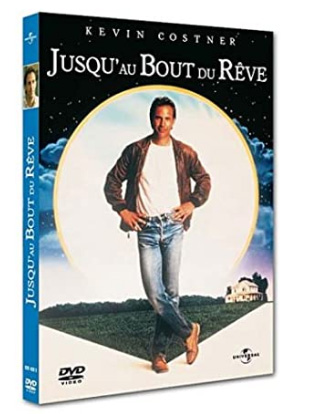
Field of Dreams
Synopsis
Ray Kinsella is an idealistic, struggling Iowa corn farmer who lives a quiet rural life with his supportive wife Annie and young daughter. While walking through his towering cornfield one evening, a mysterious disembodied voice whispers a cryptic phrase to him: If you build it, he will come. Compelled by an inexplicable spiritual urge, Ray sacrifices a portion of his valuable crops to construct a professional baseball diamond right in the middle of his cornfield. Soon after, the ghostly apparition of Shoeless Joe Jackson and his disgraced 1919 Chicago White Sox teammates materialize out of the corn to play baseball. Guided by further magical whispers, Ray embarks on a cross-country road trip to find a reclusive novelist and resolve his painful childhood regrets with his late father.
The Making of the Film
Writer and director Phil Alden Robinson adapted the magical fantasy drama from W.P. Kinsella bestselling 1982 novel Shoeless Joe. Producer Lawrence Gordon championed the project, recognizing its unique blend of baseball nostalgia, magical realism, and father-son emotional healing. Universal Pictures financed the heartwarming production.
Critical Reception
Critics universally acclaimed Field of Dreams as a magical, breathtaking, and emotionally transcendent masterpiece of American cinema. Reviewers praised Phil Alden Robinsons poetic direction, John Lansing beautiful Iowa cinematography, and Kevin Costner sincere lead performance. The film was celebrated for capturing the spiritual power of baseball, family reconciliation, and childhood wonder.
Public reception was phenomenal, turning the baseball fantasy into a massive global box-office blockbuster and a beloved cultural touchstone. Audiences wept openly during the climactic catch of catch with a father. It remains an all-time classic.
The film earned three Academy Award nominations, including Best Picture, Best Adapted Screenplay, and Best Original Score by James Horner. Its emotional resonance and iconic quote If you build it, he will come remain permanently etched in pop-culture history.
Behind-the-Scenes Stories
Director Phil Alden Robinson drew inspiration from W.P. Kinsella magical novel, American baseball folklore, and classic Americana imagery. He chose authentic, sun-drenched cornfields in Dyersville, Iowa, constructing a real baseball diamond that became a permanent tourist pilgrimage site. His direction encouraged Kevin Costner to convey sincere emotional vulnerability.
Production went smoothly, supported by supportive studio backing and an incredible supporting cast including Burt Lancaster in his final film role. Kevin Costner bonded closely with the actors portraying the ghostly baseball players on set. James Earl Jones delivered a stirring monologue on the enduring magic of baseball.
A memorable sequence involves Ray and his deceased father playing a quiet game of catch on the glowing diamond at dusk while hundreds of cars drive toward the farm with headlights shining. The scene is one of the most emotional climaxes in film history. The father-son reconciliation moved audiences universally.
The casting process brought together top-tier acting talent. Kevin Costner was cast as Ray Kinsella, bringing effortless everyman charm and earnestness. Amy Madigan, James Earl Jones, and Burt Lancaster rounded out the stellar supporting cast.
Themes Explored
The film explores father-son reconciliation, regret, magical realism, baseball heritage, and faith. It highlights how believing in the impossible heals deep emotional wounds. Love transcends death and time.
NULL
Meaning of the Title
The title refers metaphorically to the magical baseball field built in the Iowa cornfields representing a dreamscape where past ghosts and unfulfilled wishes come to life. It highlights the spiritual sanctuary of the game.
NULL
NULL
Similar Films
Other similar films include The Natural, Bull Durham, and The Sandlot.