

 Français
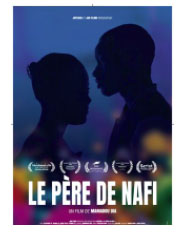
Father's Day
Synopsis
Father's Day (released as *Le Père de Nafi*) follows Oumar, a respected Koranic teacher living in a tranquil village in northern Senegal whose life is thrown into turmoil when his eldest son, Thierno, falls under the influence of religious extremists and expresses a desire to join a militant jihadist group in the city. Torn between his religious teachings, community standing, and deep paternal love, Oumar fights desperately to pull his son back from ideological radicalization. When his lifelong best friend—whose son made the same choice—turns against him, the village is plunged into moral conflict.
The Making of the Film
Written and directed by Senegalese filmmaker Mamadou Dia, the film was conceived as a powerful, intimate drama exploring religious extremism, parental grief, and generational divide in modern West Africa. The inspiration stemmed from observing how religious radicalism impacts peaceful rural communities and families in Senegal. The production utilized authentic Senegalese village locations, natural lighting, and a cast of local non-professional actors to achieve profound cultural realism.
Critical Reception
Critics universally praised Father's Day for its delicate touch, profound emotional gravity, and Mamadou Dia's masterful direction. Reviewers highlighted how the film successfully avoided sensationalism, opting instead for a quiet, deeply human exploration of faith, fatherhood, and radicalization. The gorgeous cinematography capturing the tranquil Senegalese landscape received widespread critical acclaim.
Audiences responded with deep emotional respect, moved by the universal tragedy of a father fighting to save his child from extremism.
The film earned major international acclaim, winning multiple prestigious awards including prizes at the Locarno Film Festival and various African cinema showcases.
Behind-the-Scenes Stories
Mamadou Dia drew heavy inspiration from his own upbringing in rural Senegal, community dialogues regarding religious tolerance, and modern geopolitical realities.
Shooting on location in authentic Senegalese villages required close collaboration with local elders and residents to ensure cultural respect and authenticity.
During the filming of the emotional confrontation between father and son, the actors relied on subtle facial expressions and silent dialogue to convey years of unspoken tension.
Casting involved selecting local village residents alongside professional actors to create an authentic, lived-in community dynamic.
Themes Explored
The film explores religious radicalism, paternal love, generational conflict, community faith, forgiveness, and the preservation of peace in West Africa.
Ending Explained
The poignant conclusion shows Oumar standing steadfast in his peaceful teachings, managing to plant a seed of doubt in his son's mind and preserving the fragile bond of family.
Meaning of the Title
Reference to the emotional weight of fatherhood and the moral responsibility of guiding children away from destruction.
Similar films include Timbuktu, Feathers, The Translator, and The Letter.