

 Français
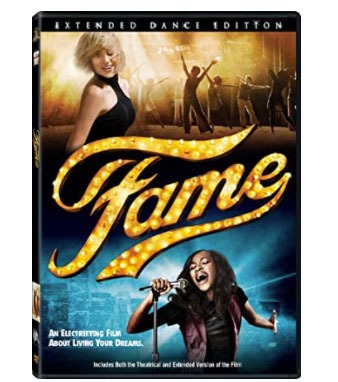
Fame
Synopsis
This glossy, energetic musical drama follows a talented, diverse group of aspiring singers, dancers, actors, and musicians over four years at the prestigious New York City High School of Performing Arts. As the ambitious teenagers navigate grueling auditions, intense academic pressure, romantic heartbreaks, and personal insecurities, they strive to leave their mark on the legendary institution. From classical piano prodigies to street-smart hip-hop dancers, each student confronts the high price of ambition and the reality of chasing artistic greatness. It is a modern, slick update of the 1980 classic.
The Making of the Film
The project originated from Metro-Goldwyn-Mayer's desire to modernize Alan Parker's iconic 1980 musical classic 'Fame' for a new generation of millennial youth culture. Filmmakers sought to incorporate contemporary pop, hip-hop, and R&B musical styles while updating the socioeconomic realities of attending a New York arts high school. Inspiration was drawn from real performing arts school auditions, modern dance trends, and youth ambition. The creative team aimed to produce a vibrant, energetic jukebox musical.
Critical Reception
Critics offered mixed-to-negative reviews, praising the film's high-energy dance numbers and talented young ensemble while critiquing its sanitized plot lines and lack of the gritty realism that made the 1980 original iconic. Reviewers noted that while individual musical performances showcased impressive young talent, the script struggled to balance the massive ensemble cast within a standard runtime. However, the glossy production values and modern choreography received moderate praise. Despite lukewarm critical consensus, it found an audience among young dance fans.
Audience reception was moderately positive among teenagers and fans of musical theater looking for upbeat escapism and inspiring performance sequences. Viewers on public platforms praised the catchy songs, impressive dance breakdowns, and enthusiastic young cast. Fans of the original 1980 film debated the remake's polished tone. Word-of-mouth sustained modest home video popularity.
Awards season brought minor recognition, including an Academy Award nomination for Best Original Song for "Try" performed by Asher Book. Critics' associations acknowledged the slick editing and choreography of the school cafeteria flash-mob musical number. These accolades cemented its status as a modern, glossy remake of a cinematic classic.
Behind-the-Scenes Stories
The director drew visual inspiration from contemporary pop music videos, high-school documentary aesthetics, and bright New York City street photography to establish a polished visual tone. Every set, from the bustling school hallways to the grand theater stages, was designed to reflect youthful artistic energy. The production team collaborated with real-world performing arts educators to ensure that student auditions and classroom practices mirrored reality. These artistic choices created a vibrant cinematic playground.
Production presented fun logistical challenges, particularly in coordinating massive musical numbers and flash mobs across iconic New York City locations like the subway and street corners. The young cast, consisting of rising singer-actors, underwent rigorous daily rehearsal to master complex vocal harmonies and dance choreography. Shooting on location in New York required careful crowd control from assistant directors. Furthermore, maintaining high emotional energy during dramatic scenes demanded immense focus.
During the filming of the famous impromptu school cafeteria lunch-room musical jam session, the young cast performed their instruments and vocals live on set to capture authentic spontaneous energy. To maintain comedic and dramatic timing, the ensemble rehearsed extensively prior to principal photography. The crew utilized bright, saturated lighting to accentuate the musical optimism. This collaborative environment resulted in standout musical moments.
Casting was anchored by discovering a talented ensemble of young triple-threat performers who could sing, dance, and act convincingly. The cast featured rising stars like Naturi Naughton, Kay Panabaker, Walter Perez, and Asher Book. Supporting roles were filled with legendary acting veterans like Debbie Allen and Charles S. Dutton as faculty members. This targeted casting strategy was the absolute secret to the film's musical energy.
Themes Explored
The narrative deeply explores themes of artistic ambition, youthful identity, and the heavy price of pursuing fame. It examines peer pressure, parental expectations, and overcoming personal insecurities. Additionally, it highlights diversity, collaboration, and finding one's unique creative voice. Ultimately, the film reflects on passion, hard work, and the true meaning of artistic success.
Ending Explained
The upbeat story concludes with the senior class performing a spectacular, high-energy graduation musical showcase at the theater, celebrating four years of intense hard work, friendship, and artistic growth. Each student takes a final bow, knowing that whether they achieve instant stardom or quiet creative fulfillment, their time at the school has transformed them forever. The inspiring resolution celebrates eternal artistic passion.
Meaning of the Title
The title directly references the school's core pursuit and the iconic theme song about achieving lasting fame and recognition.
Similar Films
Films sharing similar performing arts school and musical drama themes include High School Musical (2006), Center Stage (2000), and Fame (1980 original).