

 Français
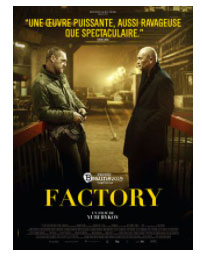
The Factory
Synopsis
The Factory follows a desperate group of unpaid, blue-collar workers in a remote, decaying industrial factory in provincial Russia who decide to take matters into their own hands when the wealthy corrupt factory owner announces he is shutting down the plant without paying their back wages. Led by a tough, war-veteran worker named Grey, the men kidnap the billionaire owner and lock themselves inside the sprawling industrial compound, demanding a massive ransom. However, as corrupt private security forces and local police surround the building, the siege spirals into a tense moral standoff.
The Making of the Film
Directed by acclaimed Russian filmmaker Yuri Bykov, the film was conceived as a gritty, high-tension social thriller exploring modern Russian oligarchy, economic despair, and class warfare. The inspiration stemmed from Bykov's desire to examine the deep chasm between wealthy oligarchs and impoverished working-class laborers in provincial Russia. The production utilized authentic, decaying industrial factory complexes in Russia and moody winter cinematography.
Critical Reception
Critics offered generally positive reviews, praising Yuri Bykov's taut atmospheric tension, muscular direction, and strong lead performances by Denis Shvedov and Andrey Smolyakov. Reviewers highlighted the film's intense moral complexity, exploring whether righteous anger justifies violent vigilantism. The gritty tone received praise.
Audiences who enjoy dark social thrillers and Russian crime dramas appreciated the movie's heavy atmosphere and suspenseful showdowns.
The film earned recognition across international film festivals for its gripping direction and social commentary.
Behind-the-Scenes Stories
Yuri Bykov drew heavy inspiration from modern Russian economic inequality, provincial factory closures, and classic siege thrillers.
Shooting inside an actual abandoned, freezing industrial factory required grueling physical endurance from the cast and crew.
During production, lead actor Denis Shvedov brought intense gravitas to the war-veteran ringleader role.
Casting prominent Russian dramatic actors brought formidable intensity to the tense standoff.
Themes Explored
The film explores Russian economic inequality, oligarchy, labor strikes, vigilantism, industrial decay, and moral corruption.
Ending Explained
The bleak, powerful climax reveals the tragic futility of the workers' revolt as police forces breach the compound, leaving the survivors trapped by systemic corruption.
Meaning of the Title
Reference to the decaying industrial workplace (The Factory) that serves as the battleground for class warfare.
Similar films include The Fool, Leviathan, Dog Day Afternoon, and Assault on Precinct 13.