

 Français
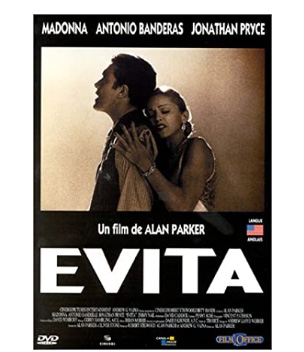
Evita
Synopsis
Evita is a breathtaking, lavish musical historical drama directed by Alan Parker, adapted from Andrew Lloyd Webber and Tim Rice's iconic stage musical. Set in Argentina from the 1930s to the 1950s, the story chronicles the meteoric, controversial rise of Eva Duarte from an impoverished rural girl to a glamorous radio actress, and ultimately to the powerful, adored First Lady of Argentina alongside her husband, President Juan Perón. Narrated by a cynical, observant chorus figure named Che, the film explores Eva's fierce ambition, philanthropic crusades, and her worshipful adoration by the working-class descamisados. As illness strikes her in her prime, her political legacy becomes immortalized. The film delivers grand musical spectacle.
The Making of the Film
Bringing Andrew Lloyd Webber's hit 1976 stage musical to the big screen took over two decades of false starts in Hollywood, with directors like Ken Russell and Oliver Stone attached at various times before Alan Parker took the helm. Parker co-wrote the screenplay and insisted that all the musical numbers be recorded live on set rather than dubbed in a studio, ensuring raw emotional authenticity from the actors. Madonna campaigned fiercely for the lead role, sending Parker a multi-page letter explaining why she was born to play Eva Perón. Antonio Banderas and Jonathan Pryce rounded out the star-studded lead cast.
Critical Reception
Professional critics offered mixed-to-favorable reviews, praising the film's breathtaking cinematography, lavish costume design, and Madonna's committed, career-defining lead performance. Reviewers noted that Alan Parker successfully translated the grand theatrical scale of the musical into a cinematic epic shot on location across Argentina and Budapest. Some critics felt the musical storytelling style felt breathless and emotionally distant, but acknowledged its undeniable visual and auditory opulence. It became a global box office success.
Audiences responded with great enthusiasm, enjoying the iconic songs like 'Don't Cry for Me Argentina', gorgeous choreography, and Madonna's glamorous transformation. Viewers fond of cinematic musicals found it dazzling and grand. Word-of-mouth sustained its popularity on home video and streaming platforms.
The film achieved major awards success, winning the Academy Award for Best Original Song for 'You Must Love Me' by Lloyd Webber and Rice, alongside a Golden Globe Award for Best Motion Picture - Musical or Comedy and Best Actress for Madonna.
Behind-the-Scenes Stories
Director Alan Parker drew inspiration from Argentine political history, epic theatrical staging, and historical newsreel footage of Eva Perón. Coordinating the massive public balcony musical numbers in Buenos Aires required closing down historic plazas and managing tens of thousands of background extras. During the filming of the emotional balcony sequences, Madonna performed live vocals while facing massive crowds. Before Madonna secured the legendary role, various other pop superstars and actresses were considered during the decades-long development cycle.
Themes Explored
Ambition, Politics, Power, Argentina, Celebrity, Class Struggle
Ending Explained
The tragic final scenes depict Eva's agonizing death from cancer at a young age, followed by her body being enshrined and mourned by a grieving nation.
Meaning of the Title
The title uses the affectionate diminutive nickname 'Evita' bestowed upon Eva Perón by the working-class people of Argentina, symbolizing her populist appeal.
Original Soundtrack
Andrew Lloyd Webber and Tim Rice composed an iconic, multi-platinum musical score featuring timeless anthems like 'Don't Cry for Me Argentina' performed masterfully by Madonna and Antonio Banderas.
Les Misérables, Chicago, Moulin Rouge!, The Phantom of the Opera