

 Français
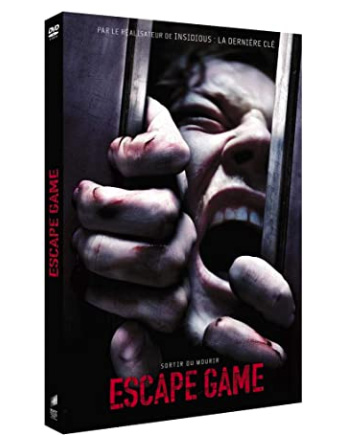
Escape Room
Synopsis
Six diverse strangers who received mysterious black puzzle boxes are invited to an exclusive Chicago building to participate in an immersive escape room experience with a massive ten-thousand-dollar cash prize. Upon entering the rooms, they quickly realize to their horror that the elaborate puzzles are not games at all, but lethal death traps filled with extreme heat, freezing cold, and toxic gas. As the rooms shift and eliminate them one by one, the survivors must work together to decipher hidden clues and uncover the sinister corporate conspiracy controlling the deadly game. Their intelligence and resilience are pushed to absolute mortal limits.
The Making of the Film
Director Adam Robitel and screenwriters Bragi F. Schut and Maria Melnik conceived the psychological horror film inspired by the massive global popularity of real-life escape room entertainment. The filmmakers wanted to blend classic puzzle-solving mechanics with high-stakes visceral survival horror reminiscent of 'Cube' and 'Saw'. Sony Pictures developed the project as a tight, PG-13 genre thriller featuring elaborate practical set designs for each deadly room. The production prioritized inventive trap engineering.
Critical Reception
Professional reviews were generally positive for a genre thriller, with critics praising the inventive, meticulously crafted room designs, fast pacing, and engaging puzzle-solving mechanics. Reviewers noted that while character development followed familiar horror tropes, the sheer inventiveness of the death traps and suspenseful execution kept audiences hooked. It achieved strong commercial success relative to its modest budget.
Public reception was enthusiastic among horror fans and young audiences who enjoyed trying to solve the riddles alongside the characters. Box office returns exceeded expectations, prompting the studio to greenlight a sequel immediately. Word-of-mouth helped sustain its theatrical run.
Awards recognition was absent, reflecting its popcorn horror genre status, though its creative set design earned niche appreciation.
Shooting anecdotes
Director Adam Robitel drew inspiration from classic puzzle-box thrillers and amusement park ride design.
Production encountered complex technical challenges constructing rotating, shifting physical rooms on soundstages in South Africa to simulate extreme heat and freezing cold.
During the upside-down collapsing billiard room sequence, actors performed physical stunt work on specialized tilted sets.
Initial casting sought energetic young ensemble actors capable of conveying authentic panic and intellectual teamwork.
Themes explored
The film explores survival, trauma recovery, corporate exploitation, puzzle-solving intellect, and human greed. It examines how shared trauma binds strangers together under mortal stress. It also highlights resilience.
Explanation of the ending
The twist ending reveals that the deadly escape room was operated by a shadowy cabal of wealthy gamblers called the Minos Corporation, and the surviving contestants plan to hunt down the organization. It sets up a direct sequel.
Meaning of the title
The title refers directly to the popular live-action entertainment game that is lethally subverted into a real-life survival trial.
Cube, Saw, Final Destination, The Maze Runner