

 Français
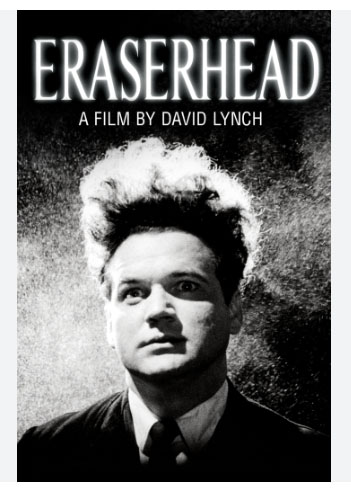
Eraserhead
Synopsis
Set in a grim, industrial wasteland of smoking factories and decaying urban decay, a quiet factory worker named Henry Spencer discovers he has fathered a grotesquely mutant child. Left to care for the screeching, reptilian infant in his cramped apartment after his girlfriend abandons him, Henry descends into a waking nightmare of surreal hallucinations and anxiety. Troubled by visions of a disfigured woman inside his radiator singing about heaven, his fragile sanity completely unravels. The film stands as an immortal masterpiece of avant-garde body horror.
The Making of the Film
Director David Lynch spent five grueling years painstakingly producing his feature-length directorial debut while struggling with severe financial constraints in Philadelphia. Working largely at night inside abandoned stables and industrial lots, Lynch personally constructed sets, sound designs, and special effects. The project drew inspiration from Lynch's profound alienation living in urban industrial environments and anxieties surrounding fatherhood. It became a legendary milestone of independent midnight cinema.
Critical Reception
Upon its initial independent release, critics were initially baffled by its uncompromising surrealism, yet many recognized its terrifying, hypnotic genius. Reviewers praised the groundbreaking sound design, nightmarish black-and-white cinematography, and uncompromising avant-garde vision. Over subsequent decades, critics universally hailed it as one of the greatest and most influential horror debuts in cinematic history. It established David Lynch as an undisputed master of the surreal.
Audiences during its midnight-movie circuit screenings viewed it as a mind-bending, hallucinogenic rite of passage. Viewers were mesmerized by its oppressive industrial atmosphere and deeply unsettling psychological symbolism. Cult film enthusiasts embraced its bizarre imagery and fiercely defended its artistic ambiguity. It became a legendary touchstone for midnight movie culture worldwide.
While mainstream Academy awards ignored its avant-garde horror nature, the film achieved legendary status across international fantasy and horror film festivals. It was selected for preservation in the United States National Film Registry by the Library of Congress for being culturally and historically significant. Its enduring influence on modern independent and horror cinema remains unmatched.
Behind-the-Scenes Stories
Director David Lynch was inspired by his dark, claustrophobic experiences living in industrial Philadelphia and the psychological terror of early fatherhood. He refused to reveal how the infamous mutant baby prop was constructed, maintaining an aura of eerie mystery around the production. The unique, humming industrial sound design was created by layering dozens of modified factory recordings and wind tracks.
Financing the film was a multi-year ordeal of constant debt, relying on grants, loans, and financial help from friends like Jack Fisk and Sissy Spacek. Production was frequently halted for months at a time whenever funds ran completely dry. Crew members worked for years on a volunteer basis out of pure dedication to Lynch's singular artistic vision.
During the filming of the radiator lady sequences, Jack Nance and the crew worked in freezing, smoke-filled warehouse spaces that lacked basic heating. David Lynch personally applied Jack Nance's iconic, gravity-defying hairstyle using generous amounts of eggs and styling gel every single shooting day. This grueling dedication contributed to the stark, unearthly look of the protagonist.
Jack Nance starred as Henry Spencer, anchoring the bizarre nightmare with a bewildered, iconic performance. The small supporting cast featured dedicated stage actors who committed fully to Lynch's surreal improvisational demands. The casting process focused on finding unusual faces that fit the nightmarish industrial dreamscape.
Themes Explored
The film explores deep existential dread regarding fatherhood, castration anxiety, industrial alienation, and the collapse of human reality. It examines how modern urban environments can warp the human subconscious into monstrous shapes. The narrative remains an open psychological canvas for viewers to interpret.
Ending Explained
The narrative culminates in Henry slicing open the baby's swaddling bandages, releasing a blinding, cosmic white light that consumes his entire apartment and reality. He finds himself embracing the Lady in the Radiator in a blinding, heavenly dimension of eternal white static. The ambiguous ending can be interpreted as either suicide, transcendence, or an escape into eternal delusion from his earthly nightmare.
Meaning of the Title
The title "Eraserhead" refers to a bizarre, morbid visual gag involving the industrial manufacturing of pencil erasers from human children's heads in a factory in the sky. It symbolizes the idea of wiping away existence or erasing mistakes. The title captures the surreal, nightmarish logic of the entire film.
Original Soundtrack
Featuring an eerie, hypnotic industrial soundscape accompanied by Fats Waller organ recordings playing from the radiator, the audio design functions as the film's musical score. The ambient factory hums and sudden musical interludes create an atmosphere of relentless psychological dread, making the sonic landscape unforgettable.
Latest News
Eraserhead continues to be screened in arthouse retrospectives and analyzed by film scholars as a pinnacle of independent surrealism.
Similar Films
Fans of surreal body horror will enjoy Pi (1998), Tetsuo: The Iron Man (1989), Repulsion (1965), and Videodrome (1983), all exploring psychological unraveling.