

 Français
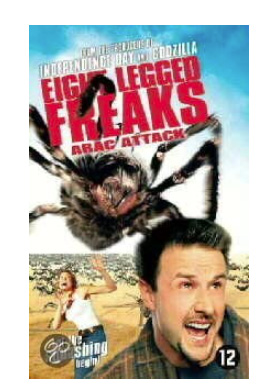
Eight Legged Freaks
Synopsis
A small former mining town in Arizona is thrown into total chaos when thousands of local exotic spiders escape from a nearby breeding farm and feed on toxic chemical waste barrels illegally dumped in the desert. Growing rapidly to massive, horrifying proportions due to the radiation, the giant arachnids swarm the town, attacking livestock, pets, and unwary residents. A rugged mining engineer and the local sheriff must team up with eccentric townsfolk to fight off the multi-legged invaders before the town is completely wiped out. This campy creature-feature horror comedy blends nostalgic monster movie thrills with tongue-in-cheek humor.
The Making of the Film
The genesis of Eight Legged Freaks came from writer-director Ellory Elkayem's lifelong obsession with classic 1950s giant-bug sci-fi movies like Them! and Tarantula! combined with a desire to update the subgenre with modern CGI creature effects and self-aware comedy. Producer Dean Devlin came on board to back the project, aiming to evoke the nostalgic feel of monster features with a fun, family-friendly tone. The production team spent months designing various species of giant spiders—including tarantulas, jumping spiders, and trapdoor spiders—each with distinct terrifying hunting behaviors. The filmmakers sought to balance genuine creature scares with goofy humor.
Critical Reception
Professional critics gave mixed-to-positive reviews to Eight Legged Freaks, praising its lighthearted nostalgic charm, impressive creature animation, witty humor, and Scarlett Johansson's supporting performance. Reviewers noted that while the plot followed standard creature-feature formulas, its affectionate tribute to 1950s B-movies made it an entertaining watch. The public response was modest at the box office, generating decent ticket sales and building a loyal cult following among horror-comedy fans on home video. Audiences enjoyed the inventive spider attack sequences and practical town destruction. The film received Saturn Award nominations for its horror-comedy execution.
Behind-the-Scenes Stories
Director Ellory Elkayem drew heavy inspiration from 1950s atomic monster cinema, classic creature features, and comic book monster illustrations. Production took place on location in Arizona and Los Angeles soundstages, constructing detailed small-town shopping malls and mining tunnels for the spider sieges. During the filming of the intense web-spinning and vehicle chase scenes, actors worked extensively against green screens and puppet props before digital animators added the giant spiders in post-production. Before David Arquette was cast as the lead mining engineer, several comedic actors were evaluated during early development.
Themes Explored
The film explores themes of environmental pollution, small-town community solidarity, overcoming arachnophobia, and nostalgic monster movie tropes. It highlights how human industrial negligence can trigger absurd natural nightmares. Furthermore, it celebrates teamwork against impossible multi-legged odds.
Ending Explained
The climax resolves the arachnid invasion when Chris McCormick and Sheriff Parker lure the giant queen tarantula and the remaining swarm into the town's old mining tunnels, detonating dynamite charges to bury the monsters and seal off the toxic waste contamination forever. With the giant spiders successfully exterminated and the town saved from destruction, the remaining residents celebrate their victory and rebuild their community. Chris and the sheriff share a romantic kiss, sealing their newfound bond. The film ends on a lighthearted, humorous note hinting that tiny spider survivors might still lurk.
Meaning of the Title
The title is a playful, literal description of the main antagonists: eight-legged giant mutant spiders terrorizing the town.
NULL
NULL
Arachnophobia, Tremors, Lake Placid, Slither