

 Français
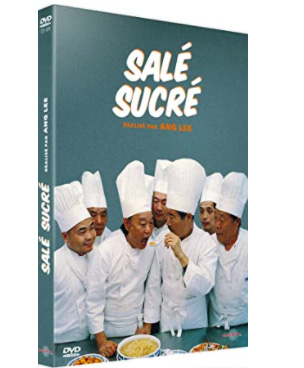
Eat Drink Man Woman
Synopsis
Eat Drink Man Woman is a magnificent, heartwarming, and mouth-watering Taiwanese-American comedy-drama directed by master filmmaker Ang Lee. Set in Taipei, Taiwan, the story revolves around Mr. Chu, a legendary, semi-retired master chef who is losing his sense of taste but stubbornly continues to prepare an elaborate, multi-course traditional Sunday family banquet every week for his three independent adult daughters. Each daughter—a chemistry teacher, an airline executive, and a college student—is wrestling with her own secret romances, career ambitions, and family expectations. As each Sunday dinner unfolds with stunning culinary creations, shocking announcements and romantic confessions disrupt the table, gradually transforming family dynamics. The film stands as an immortal masterwork of world cinema.
The Making of the Film
Director Ang Lee co-wrote the screenplay with Wang Hui-ling and James Schamus, wanting to explore modern Taiwanese family relationships through the universal medium of food and traditional cooking. Lee, drawing from his own cultural heritage and previous success with 'Pushing Hands', focused heavily on the opening sequence where Mr. Chu meticulously prepares a massive Sunday feast from scratch. The production secured authentic Taipei kitchen locations and enlisted professional culinary experts to craft authentic Chinese banquet dishes. Sihung Lung starred as the master chef alongside an ensemble cast of talented daughters.
Critical Reception
Professional critics greeted the film upon release with overwhelming international critical acclaim, praising its brilliant script, exquisite food cinematography, and profound emotional warmth. Reviewers lauded Ang Lee's masterful direction for using the preparation of food as a metaphor for love, communication, and generational change in a changing modern society. Critics frequently highlight the breathtaking opening kitchen sequence as one of the greatest culinary openings in cinema history. It became a global art-house sensation.
Audiences experienced pure delight and deep emotional resonance, turning the Taiwanese masterwork into a major commercial and critical triumph worldwide. Viewers were mesmerized by the steaming dumplings, carved meats, and the relatable family drama. Word-of-mouth recommendations cemented its status as an immortal classic of world cinema. Its influence on foodie cinema is absolute, later inspiring Hollywood remakes like 'Tortilla Soup'.
The film achieved major awards success, earning an Academy Award nomination for Best Foreign Language Film, alongside Golden Globe and Independent Spirit Award nominations.
Behind-the-Scenes Stories
Director Ang Lee drew inspiration from traditional Chinese culinary philosophy, Confucian family structures, and his own father-daughter relationships. Coordinating the intricate opening kitchen sequence required Sihung Lung and food stylists to prepare dozens of real, steaming traditional dishes across intense cooking sessions. During the filming of the Sunday dinner table scenes, the ensemble cast engaged in authentic family banquets, savoring the food between takes. Before Sihung Lung was locked in, various Taiwanese actors were considered for the master chef role.
Themes Explored
Food, Family, Tradition, Generational Gap, Romance, Taipei, Love
Ending Explained
The heartwarming and surprising twist finale shows Mr. Chu regaining his sense of taste during a family gathering after his youngest daughter marries, symbolizing renewed life and emotional reconciliation.
Meaning of the Title
The title quotes an ancient Chinese proverb attributed to Confucius—'Eat and drink, men and women desire them'—highlighting the fundamental, natural human drives of appetite and love.
Original Soundtrack
Mader composed a warm, elegant, and subtle orchestral score featuring traditional Asian instrumentation that complemented the mouth-watering banquet scenes without overpowering the dialogue.
Babette's Feast, Big Night, Tampopo, Tortilla Soup