

 Français
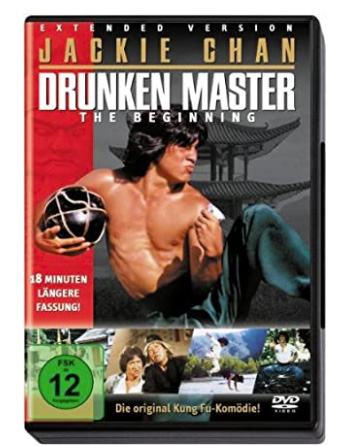
Drunken Master
Synopsis
A mischievous young martial artist is sent away to be disciplined by his eccentric uncle, a master of the Drunken Boxing style. He endures brutal training to master this unorthodox combat technique and protect his family from a lethal assassin. This classic action comedy showcases legendary martial arts choreography and comedic brilliance. It remains a defining pillar of the martial arts film genre.
The Making of the Film
The idea for Drunken Master was born from the desire to break away from the overly serious martial arts dramas popular in the 1970s and instead infuse the genre with slapstick comedy. Director Woo-Ping Yuen and producer Ng See-yuen wanted to showcase Jackie Chan's unique physical comedy and acrobatic talents, which had not yet been fully unleashed in previous serious roles. They drew inspiration from traditional Chinese martial arts folklore, specifically the legendary folk hero Wong Fei-hung, but reimagined him as an immature, mischievous teenager rather than a stoic master. The concept of Drunken Boxing itself was adapted from ancient theatrical and martial traditions that imitated the staggering, unpredictable movements of an intoxicated person. The filmmakers sought to revolutionize kung fu cinema by blending high-energy action with lighthearted humor, creating a fresh cinematic formula that resonated with global audiences.
Critical Reception
Professional critics praised Drunken Master for its groundbreaking blend of high-energy martial arts and inventive physical comedy, highlighting how it redefined the action genre in Hong Kong cinema. Reviewers commended Jackie Chan's charismatic performance and Woo-Ping Yuen's dynamic choreography, which brought a fresh, lighthearted tone to traditional kung fu stories. The public embraced the film with immense enthusiasm, turning it into a massive box office smash across Asia and establishing Chan as a major international superstar. Audiences loved the perfect balance of laugh-out-loud humor and breathtaking, perfectly synchronized fight sequences. While traditional awards ceremonies in the 1970s rarely recognized action comedies, the film received widespread acclaim from moviegoers and critics alike, eventually earning a revered status as one of the greatest martial arts films ever made.
Filming Anecdotes
Director Woo-Ping Yuen drew heavy inspiration from classic Peking opera movements and traditional Chinese theatrical archetypes to design the intricate, balletic combat styles used throughout the production. Production was notoriously grueling, with the cast and crew enduring intense physical labor and dangerous stunt work under strict deadlines and modest budgets. During the filming of the final fight sequence, Jackie Chan accidentally suffered a severe injury when his eyebrow was nearly split open, requiring immediate medical attention and leaving a visible scar. Before Chan was cast, the studio initially considered other martial arts actors to play the lead role, but producer Ng See-yuen strongly pushed for Chan, a decision that ultimately revolutionized his career and transformed him into a global icon.
Main Themes
The film explores classic themes of discipline, personal growth, and the complex relationship between a harsh mentor and a rebellious student. It highlights the transformation of youth through perseverance and humility, showing how true strength comes from mastering oneself rather than just physical techniques. Additionally, it celebrates tradition while subverting it through humor, blending ancient martial arts philosophy with modern comedic storytelling.
Ending Explanation
The climax resolves the central conflict as Wong Fei-hung faces the deadly assassin Thunderleg in a high-stakes duel. Unable to win using standard martial arts, he brilliantly combines his traditional training with the unpredictable, fluid movements of the secret "Eight Drunken Immortals" boxing style. By outsmarting and overwhelming his formidable opponent through sheer creativity and agility, he secures victory, earns his master's ultimate respect, and restores his family's honor.
Title Significance
The title directly refers to the unique and unorthodox martial arts combat system featured prominently in the movie: the Drunken Boxing style. It reflects both the literal movements of the style—which mimic an intoxicated person staggering and stumbling—and the core premise of the protagonist finding his ultimate power through unconventional methods.
NULL
NULL
Snake in the Eagle's Shadow, Enter the Dragon, Police Story, Fist of Legend