

 Français
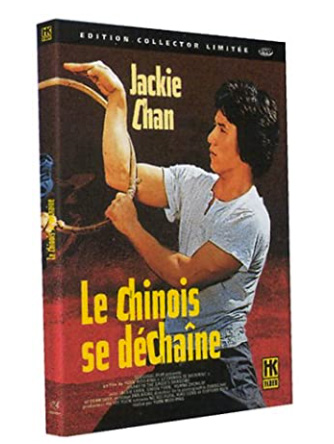
Drunken Master
Synopsis
A mischievous and rebellious young martial arts student constantly causes trouble in his village, prompting his frustrated father to send him to a rigorous and eccentric master. Under this harsh teacher's unorthodox training methods, the youth learns the legendary and unconventional Drunken Boxing style. Initially resentful, he eventually masters the discipline to defend his family against a ruthless assassin. Through intense physical trials, he transforms from an arrogant prankster into a skilled and humble martial artist.
The Making of the Film
Director Woo-Ping Yuen and producer Ng See-yuen wanted to reinvent the traditional martial arts genre by injecting comedic elements and innovative choreography. The inspiration for the central fighting style came from traditional Chinese folk legends surrounding the Eight Drunken Immortals. The production team sought to showcase Jackie Chan's unique blend of acrobatic agility and comedic timing after his breakout success. Rather than adapting a specific novel, the creators drew heavily from historical folklore and theatrical tropes.
Critical and Reception
Professional critics praised the film for revolutionizing martial arts choreography by seamlessly blending high-energy action with slapstick comedy. Audiences instantly embraced the movie, turning it into a massive box-office hit across Asia and establishing Jackie Chan as a global superstar. The film received high acclaim for its kinetic pacing, inventive fight sequences, and charming performances. Over the decades, it has maintained a stellar reputation, frequently cited by critics as one of the greatest kung fu films ever made.
Filming Anecdotes
Director Woo-Ping Yuen drew significant inspiration from traditional Chinese opera movements and theatrical drunken master archetypes. Production faced extreme physical demands, with Jackie Chan performing dangerous stunts and enduring rigorous daily training sessions. During the final showdown, Chan suffered a real injury that nearly affected his vision, but he continued filming to complete the sequence. The studio originally envisioned a more serious tone before deciding to lean heavily into comedy to highlight Chan's natural talents.
Themes Explored
The film explores the classic martial arts theme of discipline versus youthful rebellion and the importance of respecting mentorship. It highlights the idea that true strength comes from humility, inner balance, and perseverance through suffering. Adaptation and unconventional thinking are also central, showing that standard rules must sometimes be broken to overcome superior opponents. Additionally, filial piety and family honor motivate the protagonist's eventual transformation.
Explanation of the Ending
The final battle concludes with the protagonist successfully executing the secret and most difficult posture of the Drunken Boxing style to defeat the villain. Having proven his maturity and skill, he earns the deep respect of his master and reconciles fully with his father. The resolution emphasizes that the young hero has permanently changed his reckless ways and embraced his responsibilities. The film ends on a celebratory note, honoring the traditional bonds of martial arts brotherhood.
Meaning of the Title
The title refers directly to the mythical and highly unusual martial arts fighting style practiced by the characters in the story. It signifies a state of combat where the fighter mimics the swaying, unpredictable movements of an intoxicated person to confuse opponents. The name bridges Chinese folklore with the practical evolution of kung fu combat techniques. It serves as an intriguing hook that immediately highlights the movie's unique premise.
There are no recent major developments or active news items regarding this film.
Drunken Master is closely associated with classic martial arts films like 'Snake in the Eagle's Shadow', 'Enter the Dragon', and 'Fist of Legend'. Fans of traditional kung fu cinema will appreciate its blend of humor and intense choreography.