

 Français
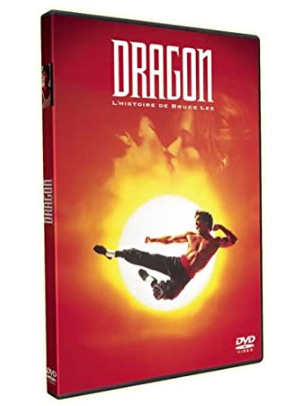
Dragon: The Bruce Lee Story
Synopsis
Dragon: The Bruce Lee Story follows the extraordinary life of martial arts legend Bruce Lee, from his childhood in Hong Kong to his rise as an international film star. As a young man, he faces discrimination and personal difficulties while attempting to establish himself in America. He develops his own approach to martial arts, combining traditional techniques with a philosophy based on adaptability and self-expression. His relationship with Linda Emery becomes an important source of support as he struggles to build a career in the film industry. Through determination and extraordinary talent, Lee eventually becomes a global cultural icon. The film portrays his personal struggles, professional achievements, and lasting influence on martial arts and popular culture.
The Film's Origins
Dragon: The Bruce Lee Story is based on the biography Bruce Lee: The Man Only I Knew, written by Linda Lee Cadwell, Bruce Lee's widow. The book offered an intimate account of the martial artist's personal life and professional development. Screenwriter Edward Khmara adapted the material into a screenplay that combined biographical events with elements of mythology and dramatic interpretation. Director Rob Cohen wanted to create a film that would introduce Bruce Lee's personality and philosophy to a new generation of audiences. Linda Lee Cadwell was involved in the project and provided important personal insight into her husband's life. Jason Scott Lee was selected to portray Bruce Lee after an extensive casting process. The production focused on the relationship between Lee's martial arts philosophy, his personal experiences, and his growing success in Hollywood. Rather than presenting a strictly documentary account, the filmmakers chose to create a dramatic tribute to the man behind the legend. Released in 1993, the film became one of the best-known cinematic portraits of Bruce Lee.
Critical Reception
Professional Reviews: Dragon: The Bruce Lee Story received generally mixed to positive reviews. Jason Scott Lee was widely praised for his physical transformation and his convincing portrayal of Bruce Lee's movements and personality. Critics also appreciated the film's attempt to explore the emotional and philosophical dimensions of the martial arts legend. Some reviewers considered the screenplay too romanticized and criticized its departure from certain historical details. The film's action sequences and visual presentation nevertheless attracted considerable attention. Its approach to Lee's personal life was appreciated by viewers seeking a more intimate portrait of the martial artist.
Audience Reception: The film attracted martial arts fans and audiences interested in Bruce Lee's life and career. Jason Scott Lee's performance helped introduce the legend to viewers who had not experienced his original films. The production also generated interest in Lee's philosophy and his influence on modern martial arts. Some longtime admirers questioned the fictionalized elements, but the film succeeded in bringing his story to a broader audience. Its reputation has remained closely connected to Bruce Lee's enduring cultural influence.
Awards and Recognition: Dragon: The Bruce Lee Story received several nominations and recognitions, particularly for its action choreography and production achievements. Jason Scott Lee received considerable attention for his portrayal of the martial arts icon. The film also attracted interest from organizations recognizing martial arts cinema and stunt performance. Although it was not a major Academy Awards contender, it became a notable biographical production of the early 1990s. Its lasting recognition comes largely from its role in preserving public interest in Bruce Lee's life and philosophy.
Behind-the-Scenes Stories
Director's Inspirations: Rob Cohen wanted to portray Bruce Lee as both a martial arts innovator and an ordinary man facing personal challenges. He drew inspiration from Linda Lee Cadwell's biography and from the stories surrounding Lee's professional development. The director was particularly interested in the philosophical dimension of Jeet Kune Do and its emphasis on adaptability. He also wanted to recreate the energy and physical intensity associated with Lee's performances. The film combines historical elements with a more symbolic approach to certain events.
Production Challenges: Jason Scott Lee underwent intensive martial arts training to reproduce Bruce Lee's physical movements and fighting style. Preparing for the role required considerable physical conditioning and extensive choreography rehearsals. The production also needed to recreate several historical periods, including Hong Kong in the 1950s and the American film industry of the 1960s. The filmmakers faced the challenge of presenting recognizable events while allowing enough dramatic freedom to create a coherent feature film. Reproducing Bruce Lee's distinctive speed and screen presence was particularly demanding.
Memorable Scene: The fight sequences demonstrating Bruce Lee's development of his own martial arts philosophy are among the film's most memorable moments. They show how he moves away from rigid traditional techniques and begins emphasizing adaptability and directness. The confrontation during which he demonstrates his abilities to skeptical opponents also establishes his determination to be recognized on his own terms. These scenes connect the physical spectacle of martial arts with the philosophical principles that guided his career.
Originally Considered Casting: Jason Scott Lee was selected after an extensive search for an actor capable of reproducing Bruce Lee's physical presence. He was not a martial arts star before the production and had to undertake intensive training. Lauren Holly was cast as Linda Lee, while Robert Wagner portrayed Bill Krieger. The supporting cast included performers capable of recreating the different stages of Bruce Lee's life. The selection of Jason Scott Lee was particularly important because the entire production depended on the audience believing in his transformation into the martial arts icon.
Themes Explored
Dragon: The Bruce Lee Story explores identity, cultural prejudice, perseverance, personal freedom, love, and artistic independence. Bruce Lee's experiences in America highlight the difficulties faced by someone attempting to establish himself in an environment marked by racial stereotypes. His martial arts philosophy represents a rejection of rigid conventions and an emphasis on individual expression. The film also examines the relationship between physical discipline and intellectual development. Linda's support demonstrates the importance of love and family during periods of uncertainty. Bruce's professional journey reflects the determination required to challenge established expectations. The story also considers the relationship between cultural heritage and international recognition. Ultimately, it presents Lee as someone who transformed personal obstacles into opportunities for innovation.
Ending Explained
The ending focuses on Bruce Lee's growing success and the extraordinary cultural influence he achieves through his martial arts performances. After overcoming discrimination and professional setbacks, he becomes an international star whose work reaches audiences around the world. However, the film also emphasizes the personal cost of his ambition and the uncertainty surrounding his health and future. The recurring symbolic presence of a threatening figure represents the fears and pressures that accompany his extraordinary life. The conclusion connects his personal journey with the lasting influence he leaves behind. Although the film does not provide a definitive explanation of the circumstances surrounding his death, it presents his legacy as something that continues beyond his physical existence. His philosophy and films become an enduring source of inspiration for future generations. The final impression is that Bruce Lee's greatest achievement was not simply becoming a famous actor but changing the way people understood martial arts.
Meaning of the Title
The title Dragon: The Bruce Lee Story combines Bruce Lee's personal identity with the dragon, a powerful symbol in Chinese culture. The dragon represents strength, wisdom, transformation, and extraordinary energy. It is also associated with Bruce Lee's international screen persona and his nickname as a cultural icon. The subtitle The Bruce Lee Story makes clear that the film is intended as a biographical portrait rather than a conventional martial arts adventure. Together, the two parts of the title celebrate both the man and the legend surrounding him.
Original Soundtrack
Randy Edelman composed the original score, creating an emotional and energetic musical atmosphere suited to the film's biographical and martial arts elements. The soundtrack combines orchestral themes with musical influences that evoke both Chinese cultural traditions and Hollywood adventure cinema. Its main themes emphasize Bruce Lee's determination, his relationship with Linda, and his struggle to establish his identity. The music also contributes to the film's more spiritual and symbolic sequences. Edelman's score reinforces the emotional dimension of a story that extends beyond physical combat.
Similar Movies
Films exploring comparable martial arts and biographical themes include Ip Man, which portrays the life of another influential martial arts master. The Legend of Drunken Master showcases Jackie Chan's extraordinary physical abilities and distinctive fighting style. Fearless explores the relationship between martial arts, personal honor, and national identity. The Grandmaster presents a more artistic interpretation of traditional Chinese martial arts and its historical context. Man of Tai Chi examines the philosophical and personal consequences of martial arts training. These productions share Dragon: The Bruce Lee Story's interest in martial arts as both a physical discipline and a philosophy of life.