

 Français
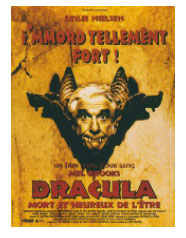
Dracula: Dead and Loving It
Synopsis
Dracula: Dead and Loving It follows the classic gothic horror tale turned completely upside down through the frantic slapstick comedy of director Mel Brooks. Count Dracula, an ancient and aristocratic vampire, relocates from Transylvania to Victorian London to stalk new victims, setting his sights on the innocent Mina and her friends. However, his villainous plans immediately go awry when he crosses paths with the hopelessly incompetent Professor Abraham Van Helsing. Packed with terrible puns, visual gags, and absurd musical numbers, the film parodies every classic vampire trope.
The Making of the Film
Co-written and directed by master comedy satirist Mel Brooks, the film was conceived as a loving spoof of classic Universal monster movies, specifically focusing on Francis Ford Coppola's Bram Stoker's Dracula and the 1931 Bela Lugosi classic. The inspiration stemmed from Brooks's lifelong dedication to classic parody cinema. The production utilized lavish Victorian sets and gothic lighting to faithfully replicate serious horror films before puncturing them with slapstick jokes.
Critical Reception
Critics offered mixed reviews, praising Leslie Nielsen's pitch-perfect, deadpan comedic performance as Count Dracula and Brooks's nostalgic affection for classic monster parodies, while noting that the gag-writing occasionally felt uneven. Reviewers highlighted Brooks and Nielsen's comedic timing as highlights of the spoof.
Audiences enjoyed the movie as a silly, nostalgic comedy filled with classic slapstick humor and quotable lines. Fans of Mel Brooks's signature style found it to be an entertaining watch.
The film earned recognition among comedy fans for Leslie Nielsen's brilliant comedic dedication and its affectionate parody of gothic horror.
Behind-the-Scenes Stories
Mel Brooks drew heavy inspiration from classic Universal horror films, vintage stage melodramas, and his own legendary career in cinematic spoof.
Shooting elaborate gothic ballroom sequences required careful stunt coordination for physical slapstick gags.
During the filming of the famous staking scene, Leslie Nielsen improvised an extra groan of confusion that cracked up the entire crew.
Casting Leslie Nielsen as Dracula was Brooks's immediate choice, knowing his unmatched deadpan delivery in spoof comedies.
Themes Explored
The film parodies gothic horror, Victorian prudishness, aristocratic pretension, and classic cinematic monster tropes.
Ending Explained
The silly climax resolves when Van Helsing successfully stakes Dracula during a chaotic daylight rooftop battle, sending the vampire up in comedic smoke.
Meaning of the Title
Reference to the immortal undead nature of Count Dracula combined with Mel Brooks's lighthearted, joyful comedic tone.
Similar films include Young Frankenstein, Blazing Saddles, Robin Hood: Men in Tights, and Scary Movie.