

 Français
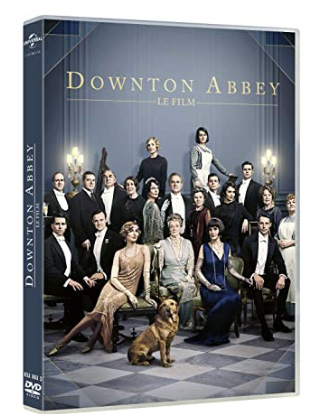
Downton Abbey
Synopsis
Set in 1927, Downton Abbey follows the Crawley family and their servants as they prepare for a royal visit from King George V and Queen Mary. The arrival of the monarchs creates excitement and anxiety throughout the estate, as everyone wants the occasion to go perfectly. The royal household brings its own staff, threatening the pride and professional identity of Downton's servants. Meanwhile, the Crawleys face personal tensions and unexpected developments behind the scenes. The visit becomes an opportunity to test old traditions, changing social relationships and the future of the estate.
The Making of the Film
Downton Abbey is a feature-film continuation of the successful British television series created by Julian Fellowes. The series had developed a large international audience through its portrayal of the Crawley family and the servants who work at their country estate. After the television programme ended in 2015, discussions about a film adaptation continued among the cast and production team. Julian Fellowes wrote the screenplay and Michael Engler, who had directed episodes of the series, was selected to direct the film. The story was designed to bring the characters together for a major historical event: the visit of King George V and Queen Mary to Downton Abbey in 1927. This setting allowed the writers to create a narrative in which the household must prepare for an occasion of national importance. The film also explores the changing relationship between aristocratic families and their staff during a period of social transformation. Most of the principal cast returned, giving the production continuity with the television series. The project was conceived as both a celebration of the programme and a new chapter in the lives of its characters.
Critical Reception
Professional Reviews
Downton Abbey received generally positive reviews from professional critics. Many appreciated the return of the familiar characters and the film's ability to reproduce the elegance and atmosphere of the television series. The production design, costumes and attention to period detail were frequently praised. Critics also welcomed the performances of the returning cast, particularly Maggie Smith, whose character provides much of the film's humour. Some reviewers felt that the plot was relatively slight and depended heavily on the audience's previous knowledge of the series. Nevertheless, the film was widely regarded as a satisfying continuation for fans of the original programme.
Audience Reception
The film was warmly received by audiences, especially viewers who had followed the television series. Its theatrical release gave fans an opportunity to revisit the Crawley family and the servants in a more expansive setting. The royal visit provided an accessible central storyline, while the personal developments offered familiar emotional pleasures. The film performed strongly at the international box office and demonstrated the continuing appeal of the Downton Abbey world. Its combination of historical atmosphere, humour and family drama attracted audiences interested in British period storytelling.
Awards
Downton Abbey received nominations and recognition from several film and television awards organisations, particularly for its costumes and production design. It was nominated for awards recognising period costume and ensemble performance. The film did not receive major Academy Award recognition, but its technical and artistic work was appreciated by specialist organisations. Its greatest achievement was demonstrating that the television series could successfully transition to cinema. The production also helped maintain the franchise's international profile.
Behind the Scenes
Director Inspirations
Michael Engler approached the film as a continuation of the television series rather than a complete reinvention. His previous experience directing episodes allowed him to preserve the established visual style and the relationships between the characters. Julian Fellowes wanted the royal visit to provide a historical event capable of bringing the entire household together. The story also reflects the social changes taking place in Britain during the late 1920s, when traditional hierarchies were beginning to face new pressures.
Production Challenges
One of the production's main challenges was coordinating the return of a large ensemble cast. The film had to give meaningful moments to numerous familiar characters while maintaining a coherent central story. The production also required detailed period costumes, vehicles, decorations and household arrangements to recreate the atmosphere of 1927. Highclere Castle, the real location associated with Downton Abbey, again played an important role in establishing the visual identity of the estate. The royal visit required additional attention to the etiquette and ceremonial details of the period.
A Particular Scene
The arrival of King George V and Queen Mary at Downton Abbey is a central moment in the film. The event transforms the estate into a place of national importance and creates a sense of excitement throughout the household. The servants and the Crawley family react differently to the royal presence, revealing their ambitions and anxieties. The sequence also establishes the main conflict involving the royal staff, whose arrival threatens the usual responsibilities of Downton's servants. It provides the starting point for much of the film's humour and interpersonal tension.
Casting
Most of the principal actors from the television series returned, including Hugh Bonneville, Elizabeth McGovern, Michelle Dockery, Laura Carmichael, Jim Carter and Maggie Smith. New characters were introduced to represent the royal household and its entourage. Imelda Staunton also returned as Lady Bagshaw, while Tuppence Middleton joined the cast as Lucy Smith. The continuity of the ensemble was essential because the film relies heavily on the audience's familiarity with the characters and their relationships.
Themes
Tradition and social change are central to Downton Abbey. The royal visit highlights the importance of established customs while revealing how difficult it can be to preserve them in a changing society. The Crawley family must maintain its position while recognising that the world around them is becoming less dependent on aristocratic authority. The servants also seek professional recognition and personal independence, challenging the idea that their roles should remain fixed. Loyalty is another major theme, particularly through the relationships developed over years of working together. The film explores class divisions but also shows how affection and shared experience can create bonds across social boundaries. Family identity and inheritance remain important concerns for the Crawleys. The story also examines the tension between public duty and private happiness. Through humour and personal conflict, it suggests that traditions can retain value only when people are willing to adapt them. Ultimately, the film celebrates continuity while acknowledging the need for change.
Ending Explained
The royal visit concludes successfully despite the difficulties created by the competing household staffs. Downton's servants manage to reclaim their responsibilities and demonstrate that their knowledge of the estate is indispensable. The Crawley family also experiences important personal developments, particularly through the relationships that have been evolving behind the formal ceremonies. Violet Crawley reveals information about her past that changes the way Mary understands the family's future. The film's closing moments suggest that the estate and its inhabitants will continue to evolve rather than remain frozen in the past. The servants are shown to have ambitions and identities beyond their employment, while the aristocratic family begins to accept that its traditions must adapt. The conclusion offers emotional closure without ending the possibility of further stories. It reinforces the idea that Downton Abbey is sustained by both the family who owns it and the people who make it function.
Meaning of the Title
The title Downton Abbey refers to the fictional country estate that serves as the central setting of the television series and the film. The word Abbey evokes the historical architecture and aristocratic atmosphere of the property, even though the estate is not presented as an active religious institution. Downton is the name of the fictional location associated with the Crawley family. The title therefore identifies the house as more than a backdrop: it represents a social world, a family history and a network of relationships. The film continues to use the estate as a symbol of British tradition and changing class structures. Its name has become closely associated with the characters and the historical period portrayed in the story.
Original Soundtrack
John Lunn composed the music for Downton Abbey, continuing his work on the television series. The score uses elegant orchestral themes that reinforce the period atmosphere and the emotional relationships between the characters. Its familiar musical identity helps the film feel like a natural continuation of the original programme. The music combines stately passages for ceremonial scenes with more intimate themes for personal moments. The soundtrack is particularly important in maintaining the recognisable atmosphere of Downton Abbey.
Similar Films
- Gosford Park (2001), a period drama about aristocratic life and the servants who maintain a country estate.
- The Remains of the Day (1993), a drama examining loyalty, class and emotional restraint in an English household.
- Atonement (2007), a British period drama exploring family, class and the consequences of personal decisions.
- The Gilded Age (2022), a historical drama about wealth, social hierarchy and changing traditions.
- Downton Abbey: A New Era (2022), the direct sequel to this film.