

 Français
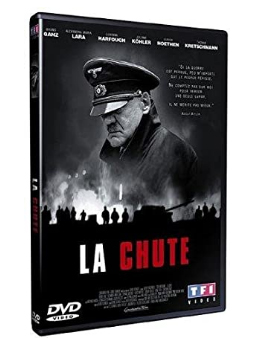
Downfall
Synopsis
Set during the final days of World War II in Berlin, the film chronicles the collapse of Nazi Germany from the claustrophobic perspective inside the Führer's underground bunker. Adolf Hitler spirals into madness and denial as Soviet troops close in on the shattered German capital. Trapped alongside him are his closest aides, military generals, and his loyal personal secretary, Traudl Junge. The harrowing drama depicts the agonizing final hours of the regime, culminating in mass suicides and total surrender.
The Making of the Film
The film is based on historical accounts including Traudl Junge's memoir 'Until the Final Hour' and historian Joachim Fest's book 'Inside Hitler's Bunker'. Producer Bernd Eichinger wanted to create a historically rigorous German-language perspective on Adolf Hitler's final days without sensationalism. Director Oliver Hirschbiegel was hired to bring a humanizing yet unflinching psychological realism to the harrowing bunker environment. The production built a massive, meticulous replica of the Berlin bunker and streets to ensure absolute historical authenticity.
Critical Reception
Upon its release, Downfall received widespread international critical acclaim for its gripping historical accuracy and fearless performances. Critics heavily praised Bruno Ganz for his mesmerizing, nuanced portrayal of Adolf Hitler, which avoided caricature while capturing his terrifying deterioration. Reviewers commended the tense atmosphere, Hirschbiegel's masterful direction, and the strong supporting ensemble cast. Audiences worldwide embraced the film as a monumental achievement in historical drama. Viewers were profoundly moved by its exploration of ordinary people caught in the madness of fanaticism and total war. The film earned an Academy Award nomination for Best Foreign Language Film and won numerous international prizes.
Behind-the-Scenes Stories
Oliver Hirschbiegel drew inspiration from extensive historical testimonies, survivor interviews, and archival documents to recreate the bunker's claustrophobic daily life. Production challenges included managing the emotional weight of portraying such dark historical subject matter over grueling shooting schedules. Bruno Ganz spent months studying rare audio recordings of Hitler's private speaking voice to master his Austrian-Swiss cadence and physical tremors. The initial casting process sought out Bruno Ganz specifically, though the actor initially hesitated before accepting the daunting role.
Themes Explored
The film explores the psychology of fanaticism, the collapse of totalitarian regimes, and personal complicity in historical evil. It examines the human cost of war, delusion, and the moral blindness of followers.
Ending Explained
The tragic conclusion shows Hitler and Eva Braun committing suicide in the bunker, followed by the gruesome suicides of Joseph and Magda Goebbels and their children. As Soviet soldiers capture the ruined city, surviving staff members and soldiers stumble out into the desolate streets of Berlin. The film ends with archival footage of the real Traudl Junge reflecting on her youthful ignorance and moral blindness, emphasizing that youth is no excuse for failing to recognize evil.
Meaning of the Title
The English title 'Downfall' refers directly to the literal and metaphorical collapse of the Third Reich and the ruin of its architects.
Original Soundtrack
Stephan Zacharias composed a solemn, atmospheric orchestral score featuring mournful choral arrangements that heightened the profound historical tragedy.
Similar Films
'Schindler's List', 'The Pianist', and 'Valkyrie' share similar World War II historical gravity, bunker drama, and survival themes.