

 Français
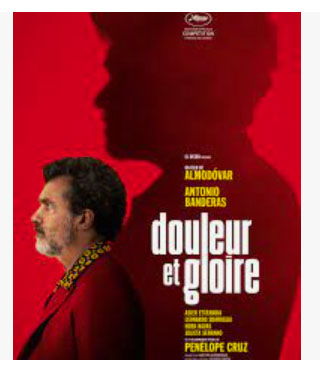
Pain and Glory
Synopsis
Set in Madrid, an aging, ailing, and deeply melancholy Spanish film director named Salvador Mallo finds himself experiencing a profound physical and creative burnout that leaves him unable to direct films or find joy in life. Plagued by chronic back pain, severe migraines, and crippling existential depression, Salvador embarks on a nostalgic, emotional journey across his memories, revisiting key milestones of his life: his childhood in rural Valencia with his fiercely protective mother, a passionate doomed adult love affair in 1980s Madrid, and his reconciliation with aging ghosts from his past. Through writing autobiographical monologues, he discovers unexpected artistic redemption and physical healing. The masterpiece drama delivers luminous emotional grace and profound vulnerability.
The Making of the Film
Legendary Spanish director Pedro Almodóvar developed the deeply personal, semi-autobiographical drama film, drawing extensive inspiration from his own life, physical ailments, aging process, and memories of early filmmaking. The inspiration stemmed from exploring artistic block, mortality, and how past reconciliations can heal present physical and spiritual pain. The production team invested heavily in Almodóvar's iconic vibrant primary-color apartment set designs, authentic Madrid art galleries, and nostalgic Valencian flashbacks. The script was meticulously structured as a delicate mosaic of memory and reconciliation.
Critical Reception
Professional critics widely acclaimed the film as a late-career masterwork, praising its exquisite emotional honesty, vibrant visual palette, and Antonio Banderas's breathtaking, career-defining lead performance. Reviewers lauded Almodóvar for crafting his most vulnerable, self-reflective, and mature film to date. Public reception was overwhelmingly enthusiastic worldwide, winning Banderas the Best Actor award at the Cannes Film Festival and earning Academy Award nominations. The film earned widespread critical acclaim as one of the finest films of the decade.
Behind-the-Scenes Stories
Director Pedro Almodóvar drew visual inspiration from his own real-life Madrid art collection, modernist interior design, and classic Spanish cinema. Production took place on location across Almodóvar's actual personal apartment in Madrid and historic streets in Valencia, utilizing his real furniture and art pieces on set. During the filming of emotional dramatic and monologue sequences, Antonio Banderas maintained breathtaking, restrained vulnerability, channeling Almodóvar's mannerisms. The cast maintained profound collaborative respect.
Themes Explored
The themes explored include artistic creation and block, aging and mortality, childhood memory, maternal relationships, adult reconciliation, and chronic pain recovery.
Ending Explained Ending Explained The triumphant artistic climax shows Salvador undergoing successful throat surgery and directing a film based on his childhood memories, achieving profound creative and personal rebirth.
Meaning of the TitleMeaning of the Title The Spanish title Dolor y gloria and English release Pain and Glory refer directly to the dual physical suffering and artistic triumph defining the protagonist's life.
Original Soundtrack Alberto Iglesias composed an exquisite, haunting orchestral score featuring melancholic piano and string arrangements that anchored the emotional memory journey.
Similar Films 8½, The Fabelmans, Cinema Paradiso