

 Français
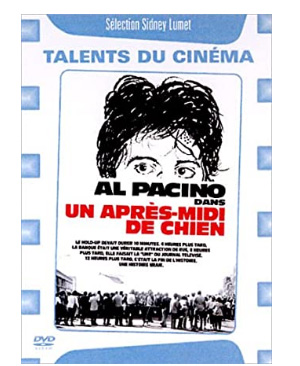
Dog Day Afternoon
Synopsis
Based on a true 1972 bank robbery incident in Brooklyn, Sonny Wortzik and his socially awkward partner Sal Naturale attempt to rob a local bank to fund gender-affirming surgery for Sonny's partner. What should have been a quick ten-minute heist immediately goes wrong when they discover the bank has virtually no cash on hand. As police surround the building, a massive crowd gathers, and live television media turns the botched robbery into a chaotic, mesmerizing public spectacle over a hot summer afternoon.
The Making of the Film
Director Sidney Lumet and screenwriter Frank Pierson adapted a real-life magazine article by P.F. Kluge and Thomas Moore about a botched Brooklyn bank heist. Lumet wanted to capture the chaotic socio-political tensions of 1970s New York, exploring media sensationalism, anti-establishment sympathy, and sympathetic human desperation.
Critical Reception
Critics showered the film with universal critical acclaim, praising Al Pacino's electrifying lead performance, Sidney Lumet's gritty direction, and the razor-sharp screenplay. Reviewers lauded how the film transformed a crime thriller into a profound social commentary.
Audiences flocked to theaters, making it a massive critical and commercial box office triumph worldwide.
The film won the Academy Award for Best Original Screenplay and earned five additional Oscar nominations, including Best Picture and Best Actor for Al Pacino.
Behind-the-Scenes Stories
Sidney Lumet drew inspiration from 1970s gritty American realism, documentary cinema aesthetics, and real-world news broadcasts, avoiding traditional musical scores to heighten authenticity.
Production took place on location in a specially constructed set and real Brooklyn streets, capturing intense summer heat and sweat naturally on camera.
During the chaotic crowd scenes, Al Pacino improvised the famous chanting phrase "Attica! Attica!" which electrified the extras and became cinematic history.
Dustin Hoffman was originally considered for the lead role of Sonny, but Al Pacino ultimately took on the iconic part after reading the script.
Themes Explored
Media sensationalism, anti-establishment rebellion, LGBTQ+ visibility in cinema, systemic desperation, and police negotiation dynamics.
Ending Explained
The siege ends tragically on the airport tarmac when federal agents storm the car, killing Sal and arresting Sonny, leaving an enduring image of disillusionment and arrest.
Meaning of the Title
The title refers to the suffocating heat of a sweltering summer afternoon in New York City during which the tense hostage crisis unfolds.
Serpico, Network, The French Connection, Taxi Driver