

 Français
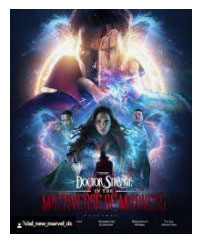
Doctor Strange in the Multiverse of Madness
Synopsis
This thrilling superhero fantasy blockbuster follows master of the mystic arts Doctor Stephen Strange as he navigates the infinite, terrifying expanses of the multiverse. When a mysterious teenage girl capable of jumping across dimensions seeks his protection, Strange must team up with old and new allies to stop a powerful, grief-stricken adversary. As they leap through surreal alternate realities, they confront dark magic, terrifying monsters, and alternate versions of familiar heroes. It is a visually dazzling, fast-paced cosmic rollercoaster directed with signature horror flair.
The Making of the Film
The project originated from Marvel Studios' expansive plans to explore the infinite possibilities of the multiverse following the events of 'Avengers: Endgame' and 'Spider-Man: No Way Home'. Producers sought to inject a distinct horror-infused aesthetic into the superhero genre by hiring veteran director Sam Raimi, renowned for his work on the 'Evil Dead' franchise. Inspiration was drawn from classic comic book runs featuring mystical dimensions, dark magic, and cosmic incursions. The creative team aimed to blend high-stakes superhero action with macabre visual flair and emotional vulnerability.
Critical Reception
Critics offered generally favorable reviews, praising the film's distinctive visual style, energetic pacing, and Elizabeth Olsen's powerhouse performance as the tortured antagonist. Reviewers noted that Sam Raimi's signature directorial flourishes—including creepy jump scares, dynamic camera movements, and campy horror elements—gave the blockbuster a refreshing personality within the Marvel cinematic landscape. While some felt the sprawling multiversal plot occasionally sacrificed character depth for spectacle, the sheer entertainment value was widely commended.
Audience reception was massive and enthusiastic, driving the film to tremendous box office success worldwide. Fans on public rating platforms praised the thrilling action set pieces, unexpected cameo appearances, and the emotional weight of Wanda Maximoff's tragic descent. Viewers appreciated the bolder, darker tone that pushed the boundaries of traditional PG-13 superhero cinema. Word-of-mouth sustained strong theatrical momentum during its global run.
Awards season brought numerous nominations from major industry guilds and fantasy film ceremonies, honoring the production's exceptional visual effects, costume design, and makeup artistry. Critics' associations praised the film for its bold stylistic choices and effective genre-blending. The lead performances also earned individual nods at various pop-culture award shows. These accolades cemented its status as a standout, visually inventive entry in modern superhero history.
Behind-the-Scenes Stories
The director drew heavy aesthetic inspiration from classic gothic horror, surrealist art, and his own iconic horror film catalog to establish the spooky visual tone. Every alternate universe was meticulously designed to feature unique color palettes, architectural quirks, and environmental hazards. The production team collaborated closely with Marvel comic artists to translate complex magical spells and dimensional portals onto the screen with vibrant clarity. These artistic choices created a wonderfully chaotic, imaginative cinematic universe.
Production presented immense logistical hurdles, particularly in managing complex wire-work, green-screen environments, and large-scale practical stunt choreography. The visual effects crews worked around the clock to render thousands of digital assets required for the reality-bending incursions and magical duels. Shooting during shifting pandemic safety protocols required careful scheduling from the assistant directors. Furthermore, maintaining tight secrecy around plot twists and cameo appearances demanded strict on-set security measures.
During the filming of the musical note duel sequence, the actors performed intricate hand gestures while interacting with invisible magical energy fields mapped out by virtual pre-visualization. To capture genuine reactions during scary monster attacks, the director utilized practical lighting cues and dynamic camera angles. The crew spent weeks perfecting the physical choreography for the brutal spell-casting battles. This meticulous preparation resulted in thrilling, visually arresting sequences.
Casting focused on reuniting key MCU veterans while introducing vital new comic book characters to expand the mystical lore. The lead actors brought immense familiarity and chemistry to their returning superhero roles. Supporting casting directors conducted global searches to find the perfect young actress to embody the pivotal multiversal traveler. This targeted casting strategy ensured that emotional stakes remained grounded amidst the cosmic chaos.
Themes Explored
The narrative deeply explores themes of grief, trauma, and the dangerous lengths to which people will go to mend a broken heart. It examines the corrupting nature of dark magic, obsession, and the multiverse's infinite consequences. Additionally, it highlights self-acceptance, letting go of past regrets, and trusting others. Ultimately, the film reflects on heroism, sacrifice, and finding strength in vulnerability.
Ending Explained
Strange defeats the corrupted Wanda by helping her realize the terror she has inflicted across dimensions, prompting her to destroy the dark hold and sacrifice herself to seal the mountain. America Chavez learns to harness her dimensional powers independently, setting her up as a hero in training. In the mid-credits scene, Strange is approached by a mysterious sorceress regarding an impending incursion.
Meaning of the Title
The title directly references Doctor Strange traveling across chaotic alternate realities in the multiverse while dealing with madness and corruption.
Original Soundtrack
The thrilling musical score by Danny Elfman received widespread critical acclaim for blending classic superhero brass with spooky, gothic choral arrangements.
Similar Films
Films sharing similar multiversal adventures and superhero fantasy themes include Spider-Man: Into the Spider-Verse (2018), Doctor Strange (2016), and Everything Everywhere All at Once (2022).