

 Français
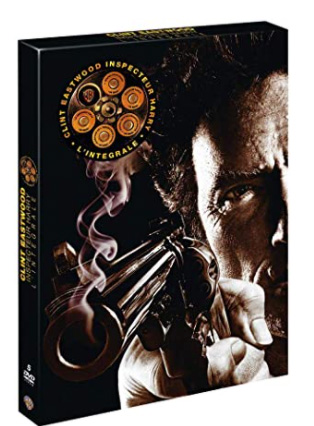
Dirty Harry
Synopsis
In San Francisco, a sniper calling himself Scorpio terrorizes the city, killing at random and demanding a ransom. Inspector Harry Callahan, a tough, unorthodox cop known for bending the rules, is assigned to hunt him down. As the killer stays one step ahead of the law, Harry's methods become more brutal and the line between justice and vengeance begins to blur. The film is a landmark of the modern crime thriller and a lightning rod for debate.
The Making of the Film
Dirty Harry was directed by Don Siegel and written by Harry Julian Fink and Rita M. Fink, with later contributions from Dean Riesner and John Milius. The story was partly inspired by the real-life Zodiac Killer, who had terrorized the San Francisco Bay Area just a few years earlier. The studio initially struggled to find its lead, and several major stars were considered before Clint Eastwood took the role. Eastwood, who had made his name in spaghetti westerns, was reunited with Siegel, with whom he had already collaborated. The film was released in December 1971 and in France in 1972.
Reviews and Reception
Summary of Professional Reviews
Critics were sharply divided. Some praised the film as a tight, gripping thriller, while others accused it of glorifying vigilante violence and promoting a reactionary worldview. The debate over its politics became part of the film's identity, and later critics have often reassessed it as a more nuanced work.
Audience Reception
The film was a huge commercial success and made Clint Eastwood a global icon. Harry Callahan became a pop-culture archetype, and the film spawned four sequels. Its most quoted lines have become part of the cultural vocabulary.
Awards Won
The film was a huge hit but received little attention from major awards bodies at the time. Its recognition came later, when it was selected for preservation in the United States National Film Registry.
Filming Anecdotes
Director's Inspirations
Don Siegel wanted to portray a lone, uncompromising cop in a city that seemed to be losing its moral compass. He used San Francisco's hilly streets and stark urban settings to emphasize isolation and menace.
Anecdote About a Particular Scene
The famous scene in which Harry confronts a wounded robber with his large revolver and asks whether the man feels lucky became one of cinema's most iconic moments. It perfectly encapsulates the character's mix of menace and weary cynicism.
Casting initially planned
Before Clint Eastwood was cast, the role was offered to several major stars, including Frank Sinatra, who dropped out after a hand injury. Paul Newman reportedly turned the role down on political grounds, and other names were also considered. Eastwood eventually made the part his own.
Themes Explored
Dirty Harry is a story about justice and the moral cost of fighting crime. It asks whether the rules designed to protect the innocent also protect the guilty, and how far a cop should go to stop a killer. The film also explores isolation, as Harry is portrayed as a loner in constant conflict with his superiors and the bureaucracy. Urban fear and the breakdown of social order echo the anxieties of the early 1970s. Its ambiguity has fueled decades of argument about whether it endorses or critiques its hero.
Ending Explained
After a final chase, Harry corners Scorpio and shoots him, repeating the famous question he asked earlier. When Scorpio is dead, Harry takes his police badge and throws it into the water, rejecting the institution that has constrained him. The gesture is ambiguous: it can be read as a protest against a system that fails to deliver justice, or as an admission that he has crossed a line. This unresolved note is part of what has kept the film so provocative.
Meaning of the Title
The nickname "Dirty Harry" refers to Harry Callahan's reputation for being given the department's dirtiest, toughest assignments. It also hints at his willingness to get his hands dirty and break the rules in order to get results. In France, the film was released as L'Inspecteur Harry, a more straightforward title.
Original Soundtrack
Lalo Schifrin's score mixes jazz, funk and eerie, atmospheric touches that match the urban setting. His music, with its edgy rhythms and unsettling textures, helps create the film's sense of tension and menace.
Similar Films
- The French Connection: a gritty, realistic cop thriller from the same era.
- Death Wish: another controversial film about vigilante justice.
- Bullitt: a stylish San Francisco police story.
- Se7en: a dark, modern hunt for a serial killer.