

 Français
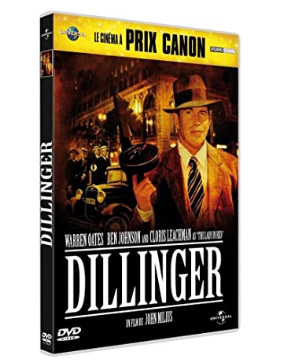
Dillinger
Synopsis
Set during the height of the Great Depression in 1933, the biographical crime film chronicles the meteoric rise and violent reign of John Dillinger, America's most notorious bank robber, and his charismatic gang as they loot financial institutions across the Midwest. Pursued relentlessly by ambitious federal agent Melvin Purvis and his team of G-men, Dillinger engages in a high-stakes cat-and-mouse game while romancing a trusting cloakroom attendant named Billie Frechette. Their fleeting romance and Bonnie-and-Clyde-style crime spree lead toward an inevitable, bloody federal trap outside a Chicago theater.
The Making of the Film
Director John Milius made his explosive feature directorial debut by crafting a hyper-violent, revisionist biographical crime drama for American International Pictures. Producers sought to present a gritty, hard-boiled portrait of Depression-era outlaws that blended historical events with pulp-magazine romanticism. The production utilized authentic rural Oklahoma and Midwestern locations to replicate 1930s bank towns. Warren Oates was cast as John Dillinger, while Richard Dreyfuss portrayed Melvin Purvis, creating an iconic cat-and-mouse dynamic.
Critical Reception
Critics offered generally favorable reviews, praising John Milius's muscular direction, gritty historical atmosphere, and the electrifying adversarial chemistry between Warren Oates and Richard Dreyfuss. Reviewers noted that unlike polished studio gangster biopics, Milius embraced a raw, sweat-soaked B-movie energy that felt surprisingly authentic. Audiences embraced the action-packed crime drama during its drive-in and theatrical run. It stands as a cult classic of 1970s outlaw cinema.
Behind-the-Scenes Stories
John Milius drew heavy visual inspiration from historical FBI archives, Depression-era photojournalism, and classic Warner Bros. gangster films. Warren Oates studied Dillinger's actual bank-robbing techniques and charismatic public persona to craft a larger-than-life outlaw image. During filming, stunt coordinators orchestrated explosive, Thompson submachine gun shootouts using authentic period firearms loaded with blanks. Michelle Phillips made her feature film debut as Billie Frechette.
Themes Explored
The narrative explores Depression-era outlaws, federal law enforcement rise, celebrity crime, loyalty, and fatalism. It examines how public desperation turned ruthless bank robbers into folk heroes. Furthermore, it highlights notoriety.
Ending Explained
Dillinger is betrayed by the 'Woman in Red' and ambushed outside the Biograph Theater in Chicago, dying in a hail of federal bullets in the alleyway. A tragic, bullet-riddled historical conclusion closes the film.
Meaning of the Title
The title 'Dillinger' refers directly to John Dillinger, establishing a biographical outlaw framework for the film.
Other gritty 1970s outlaw and gangster films such as Bonnie and Clyde, The Getaway, and Badlands.