

 Français
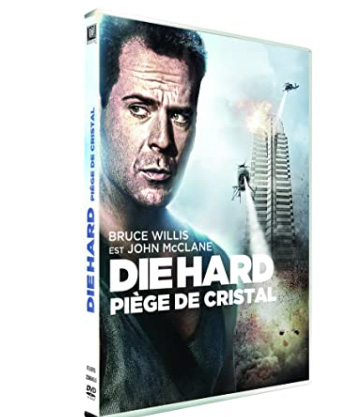
Die Hard
Synopsis
An off-duty New York City police detective travels to Los Angeles on Christmas Eve to reconcile with his estranged wife at her corporate office Christmas party in Nakatomi Plaza. The holiday celebration is suddenly interrupted by a heavily armed team of sophisticated international terrorists led by Hans Gruber, who take all party guests hostage to execute a multi-million-dollar vault heist. Trapped barefoot in the towering skyscraper with only his service weapon and street smarts, the detective wages a one-man guerrilla war against the criminals. He must outwit the terrorists to save the hostages and his wife before time runs out.
The Making of the Film
Director John McTiernan adapted the film from Roderick Thorp's suspense novel 'Nothing Lasts Forever', pitching it as an intense, single-location action thriller. The inspiration stemmed from wanting to subvert traditional invincible action hero tropes by casting an ordinary, vulnerable policeman who bleeds, hurts, and struggles. The production team aimed to construct a claustrophobic, high-tension atmosphere utilizing the towering Fox Plaza skyscraper as a dynamic character. The script underwent careful refinement to balance explosive action with sharp comedic banter.
Critical and Reception
Professional critics heaped widespread critical acclaim upon the film, praising its brilliant pacing, tightly constructed script, groundbreaking action choreography, and Alan Rickman's legendary villain performance. Audiences turned the action film into a massive global blockbuster, establishing Bruce Washington as a definitive Hollywood action icon. The movie earned multiple Academy Award nominations and revolutionized the action genre by creating the blueprint for ordinary-guy-in-peril thrillers. Today, it is universally celebrated as one of the greatest action films of all time.
Filming Anecdotes
Director John McTiernan drew inspiration from classic Westerns, Shakespearean villains, and high-tension suspense cinema. Production faced intense physical challenges, with Bruce Willis performing demanding stunts on suspended scaffolding and glass floors. During the iconic rooftop explosion and elevator shaft sequences, practical special effects crews executed massive blasts on set. The studio initially considered numerous major Hollywood actors before casting Bruce Willis, a television star at the time, which permanently transformed his career.
Themes Explored
The film explores ordinary heroism, marital reconciliation, institutional bureaucracy, and the triumph of resourcefulness over superior firepower. It examines how a regular blue-collar worker rises to extraordinary challenges under extreme pressure. Holiday family obligation versus violent interruption provides a unique seasonal backdrop. Additionally, corporate greed motivates the terrorist heist.
Explanation of the Ending
The narrative concludes with John McClane outwitting the remaining terrorists, pushing Hans Gruber out of the upper-floor window to his dramatic fall, and rescuing the surviving hostages alongside his wife. Police and FBI agents secure the plaza as snow falls on Christmas morning, symbolizing peace and restoration. McClane and his wife embrace warmly, leaving the chaotic skyscraper behind to start fresh. The resolution provides an iconic, triumphant, and emotionally satisfying conclusion to the action classic.
Meaning of the Title
The title refers directly to the protagonist's relentless determination, refusal to surrender, and stubborn refusal to die under overwhelming terrorist odds. It signifies grit, endurance, and ultimate survival. The name creates an instantly iconic and punchy brand for an action blockbuster. It captures the resilient spirit of the hero.
Original Soundtrack
The film features a thrilling and iconic musical score composed by Michael Kamen, incorporating classical holiday motifs alongside aggressive orchestral tension. Kamen's incorporation of Beethoven's 'Ode to Joy' for the terrorist masterminds added a brilliant layer of sophisticated menace to the villain's agenda. The musical themes expertly amplify the breathless suspense and explosive action of the skyscraper siege. Critics and film score fans universally revere the soundtrack as a masterclass in action scoring.
There are no recent major developments or active news items regarding this film.