

 Français
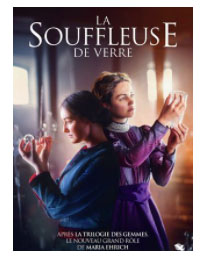
The Glassblower
Synopsis
The Glassblower tells the sweeping historical drama of three young sisters—Johanna, Elisabeth, and Marie—living in a remote, poverty-stricken German village in the late 19th century. Following the sudden death of their father, a master glassblower, the sisters are left destitute in a male-dominated society that forbids women from owning property or practicing trade. To survive starvation and avoid being forced into servitude, the brave sisters defy local laws and patriarchal traditions by secretly learning the delicate, dangerous art of glassblowing, risking everything to save their family legacy.
The Making of the Film
Directed by Christiane Balthasar, the film was adapted from Petra Durst-Benning's best-selling historical novel of the same name. The inspiration stemmed from celebrating the forgotten historical contributions of female artisans in 19th-century European cottage industries. The production utilized authentic historical German towns, exquisite period costumes, and real artisanal glassblowing workshops to achieve historical accuracy.
Critical Reception
Critics offered positive reviews, praising the film's gorgeous period production design, empowering feminist historical narrative, and strong ensemble performances by the lead actresses. Reviewers highlighted the mesmerizing depiction of traditional glassblowing craftsmanship as a standout visual highlight. The emotional tone received favorable marks.
Audiences embraced the movie as an inspiring, sweeping historical drama celebrating sisterhood, resilience, and artistic survival.
The film earned recognition across European television and period drama showcases for its costume design, cinematography, and historical storytelling.
Behind-the-Scenes Stories
Christiane Balthasar drew inspiration from Petra Durst-Benning's best-selling novel and historical research into traditional German glassmaking communities.
Working with molten glass in authentic artisan workshops required specialized safety training and expert glassblower consultants on set.
During the filming of the intricate glass-shaping sequences, the actresses underwent hands-on training to accurately portray the delicate hand movements of master artisans.
Casting focused on securing talented German television and film actresses capable of projecting authentic 19th-century resilience.
Themes Explored
The film explores female empowerment, patriarchal oppression, artisan craftsmanship, sisterhood, survival, and historical family legacy.
Ending Explained
The triumphant conclusion shows the sisters successfully establishing their own independent glassblowing enterprise, defying village elders and securing their freedom.
Meaning of the Title
Reference to the traditional family trade of glassblowing (Die Glasbläserin) inherited and preserved by the resilient sisters against all odds.
Similar films include Little Women, Portrait of a Lady on Fire, The Guernsey Literary and Potato Peel Pie Society, and Colette.