

 Français
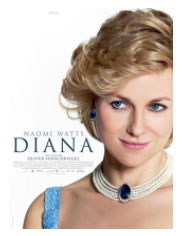
Diana
Synopsis
Set during the final two years of her life, the biographical drama follows Diana, Princess of Wales, following her divorce from Prince Charles. Seeking personal freedom and emotional fulfillment, she secretly embarks on a passionate, clandestine love affair with prominent heart surgeon Hasnat Khan. While navigating intense media scrutiny, paparazzi harassment, and royal isolation, Diana channels her global fame into dedicated international humanitarian work—most notably her courageous campaign against anti-personnel landmines. As the pressures of secrecy begin to fracture her relationship with Khan, she faces heartbreaking personal crossroads. Ultimately, this intimate portrait explores the woman behind the global icon.
The Making of the Film
Director Oliver Hirschbiegel adapted Kate Snell's bestselling biographical book Diana: Her Last Love to focus on the secret romance of the beloved princess. The project was conceived as an intimate biographical drama exploring Diana's emotional vulnerability, humanitarian passions, and private heartbreaks. Hirschbiegel drew inspiration from royal archives, biographical accounts, and interviews with those close to the princess. The production utilized authentic European locations and period-accurate fashion recreations to evoke the late 1990s.
Critical Reception
Critics universally panned the film upon release, criticizing its clunky screenplay, superficial characterizations, and intrusive melodramatic tone. Reviewers argued that Naomi Watts was severely let down by a weak, speculative script that reduced a complex historical icon into a soap-opera caricature. Some film critics also pointed out the awkward dialogue and historical inaccuracies regarding her relationship with Hasnat Khan. Despite universal critical backlash, royal biography enthusiasts tuned in out of lingering global curiosity.
Audiences offered lukewarm-to-negative responses, feeling that the film failed to capture the genuine grace, complexity, and tragic magnitude of Princess Diana's life. Viewers on streaming and home video platforms noted that while Naomi Watts gave an earnest physical performance, the dramatic material felt uninspired. It struggled commercially at the box office and failed to achieve lasting cultural resonance. Many felt that the definitive cinematic portrait of Princess Diana had yet to be made.
Given its severe critical revulsion and commercial disappointment, the film received no major mainstream cinematic awards or festival recognition. Naomi Watts earned a few minor acting nominations from specialized critics circles for her dedicated physical transformation, but the film was largely bypassed by major awarding bodies. These milestones cemented its reputation as a misfired biographical attempt. The film remains a cautionary tale about rushing complex royal figures to the screen.
Behind-the-Scenes Stories
Oliver Hirschbiegel was drawn to the biographical project because he wanted to explore the human woman hidden behind the untouchable global myth of Princess Diana. He wanted to highlight her secret humanitarian courage and her desperate search for authentic romantic love away from the royal spotlight. The visual style utilized elegant hotel interiors, 1990s London street aesthetics, and paparazzi flashbulb lighting effects. The director also worked with costume designers to recreate Diana's iconic post-royal wardrobe.
Recreating the high-society world of late-1990s London on a European co-production budget required immense wardrobe and location coordination from the crew. Shooting took place across historic locations in Croatia and England to mimic royal estates and urban hospitals. Naomi Watts spent months studying Diana's famous vocal cadence, head tilt, and physical posture to achieve authentic physical immersion. Despite the intense media pressure surrounding a film about the beloved princess, the cast maintained a dedicated professional approach.
During the filming of the tense undercover hospital and park rendezvous sequences, Naomi Watts and Naveen Andrews worked hard to build believable romantic chemistry. Director Oliver Hirschbiegel encouraged quiet, intimate framing to emphasize the claustrophobia of Diana's secret life. Crew members reported feeling the heavy weight of public expectation while filming scenes depicting the relentless paparazzi. The intense focus of the lead actors provided the only anchor for the troubled production.
Casting directors searched for an internationally acclaimed actress who could capture Diana's unique vulnerability and global glamour. Naomi Watts was secured for the daunting lead role of Diana, receiving universal praise for her physical commitment despite the poor script. Naveen Andrews was cast as Dr. Hasnat Khan, bringing quiet dignity to the conflicted surgeon. The supporting cast of royal aides and medical staff rounded out the modest ensemble.
Themes Explored
The film heavily explores the crushing burden of global celebrity, media intrusion, and the profound loneliness of royal life. It examines the quest for authentic romantic connection against impossible societal barriers. Another core motif is the redemptive power of humanitarian activism. It also touches upon heartbreak, privacy, and personal reinvention.
Ending Explained
The film concludes with Diana continuing her tireless international humanitarian work while coming to terms with the permanent end of her romance with Hasnat Khan. A concluding text epilogue reflects on her tragic death in Paris in August 1997, mourning the loss of a global icon who was still searching for her personal happiness. The final poignant shots show archival-style imagery celebrating her lasting legacy of compassion. This somber finish serves as a reminder of her untimely passing.
Meaning of the Title
The title refers directly to the first name of Princess Diana, who remains one of the most famous and beloved women in modern history. It establishes an immediate biographical focus on her private identity separate from her royal title. The minimalist phrasing sets expectations for an intimate character study. It encapsulates the personal woman at the center of the global phenomenon.
Similar films include The Queen, Spencer, Grace of Monaco, and Jackie, which feature royal biopics, famous historical women, and biographical dramas.