

 Français
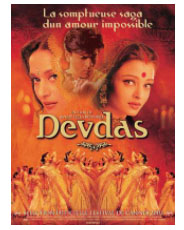
Devdas
Synopsis
Set in early twentieth-century India, a wealthy law graduate named Devdas returns home from studying in London, eagerly anticipating his reunion with his childhood sweetheart, Paro. However, their pure love is brutally shattered by rigid family class prejudices, leading Paro to be married off to a wealthy older aristocrat instead. Devastated, heartbroken, and too weak to defy his family, Devdas plunges into a spiral of self-destruction, alcoholism, and despair. Along the way, he finds solace in the unconditional love of a kind-hearted courtesan named Chandramukhi, who loves him despite his self-pity. Ultimately, this epic romantic tragedy explores the agonizing depths of unrequited love, societal cruelty, and fatal regret.
The Making of the Film
Visionary director Sanjay Leela Bhansali adapted Sarat Chandra Chattopadhyay's classic 1917 Bengali novella to create a breathtaking cinematic masterpiece of epic proportions. The project was conceived as the most lavish, emotionally devastating romantic tragedy in Indian cinema history. Bhansali drew inspiration from classical Indian literature, traditional opera, and previous cinematic adaptations of the legendary tale. The production utilized massive, multi-million-dollar handcrafted palace sets, thousands of period costumes, and intricate classical choreography.
Critical Reception
Critics offered overwhelming critical acclaim upon release, praising its staggering visual opulence, breathtaking musical numbers, and powerhouse lead performances. Reviewers lauded Sanjay Leela Bhansali for crafting a cinematic spectacle of unmatched scale, emotional intensity, and artistic beauty. The performances of Shah Rukh Khan, Aishwarya Rai, and Madhuri Dixit received universal acclaim for embodying the tragic romantic figures with breathtaking grace. It established itself instantly as a historic global landmark of Bollywood cinema.
Audiences were utterly mesmerized and emotionally devastated by the epic romantic tragedy, turning it into a monumental international box-office phenomenon. Viewers worldwide praised the iconic song-and-dance choreography, the dazzling jewelry, and the profound sorrow of the central love story. It became the first Bollywood film to be screened out of competition at the Cannes Film Festival, receiving a rapturous standing ovation. Many hailed it as the pinnacle of visual storytelling and emotional melodrama in world cinema.
Devdas won a record-breaking ten Filmfare Awards, including Best Film, Best Director, Best Actor, Best Actress, and Best Supporting Actress. It also received a BAFTA nomination for Best Film Not in the English Language and was India's official entry for the Academy Awards. The film's stunning art direction, costume design, and choreography swept every major global honor. These prestigious accolades cemented its legacy as an immortal cinematic masterpiece.
Behind-the-Scenes Stories
Sanjay Leela Bhansali was heavily inspired by his childhood fascination with the tragic romanticism of the original novel and previous film versions. He wanted to create a sensory explosion of color, music, and architectural grandeur that represented the tortured internal state of the protagonist. The visual style utilized massive stained-glass windows, reflecting pools, vibrant silk saris, and dramatic operatic lighting. The director also worked closely with classical music maestros and master craftsmen to ensure absolute period splendor.
Constructing the colossal, intricate palace sets required hundreds of skilled artisans working for months, making it one of the most expensive productions in Indian film history. Shooting took place across massive indoor soundstages in Mumbai under grueling, emotionally draining conditions for the cast. Shah Rukh Khan performed his intense, alcoholic downward spiral scenes with absolute physical and emotional commitment, often sustaining real exhaustion. Despite the immense logistical and emotional weight of the shoot, the crew delivered a timeless visual triumph.
During the filming of the legendary face-off dance sequence "Dola Re Dola," Aishwarya Rai and Madhuri Dixit performed complex classical choreography in heavy silk saris under blistering studio lights. Director Sanjay Leela Bhansali demanded absolute perfection, resulting in numerous emotionally charged takes. Crew members reported feeling spellbound on set watching the two legendary actresses perform together. The profound dedication of the cast and crew gave the epic tragedy its immortal resonance.
Casting directors secured the ultimate dream trio of Bollywood superstars to anchor the epic tragic romance. Shah Rukh Khan was cast as the self-destructive Devdas, bringing haunting vulnerability and tragic depth. Aishwarya Rai took on the iconic role of Paro, exuding regal beauty and heartbreaking sorrow. Madhuri Dixit delivered a career-defining performance as the tragic courtesan Chandramukhi, adding immense grace to the ensemble.
Themes Explored
The film heavily explores the destructive power of rigid caste and class prejudices in traditional Indian society. It examines the agonizing pain of unrequited love, alcoholism, and self-inflicted despair. Another core motif is the purity of female dignity and sacrifice contrasted with male weakness. It also touches upon social hypocrisy, familial duty, and fatal regret.
Ending Explained
The film concludes with a dying, feverish Devdas making a final desperate train journey across India to catch a last glimpse of Paro at her husband's gates before his heart gives out. As he breathes his last breath under the moonlight, Paro frantically runs through the mansion doors only to find she is too late as the gates slam shut in her face. The tragic finale symbolizes the ultimate consequence of societal barriers destroying pure love. The haunting final shots leave the audience weeping for the star-crossed lovers.
Meaning of the Title
The title refers directly to the name of the tragic protagonist, Devdas, whose character has become an enduring cultural archetype in South Asia for the star-crossed, self-destructive romantic. It invokes a century-old literary legacy symbolizing the pain of lost love. The single-word phrasing carries immense emotional weight and historical recognition worldwide. It encapsulates the legendary figure at the center of the epic tragedy.
Similar films include Hum Dil De Chuke Sanam, Bajirao Mastani, Pakeezah, and Mughal-e-Azam, which feature epic romantic tragedies, lavish Bollywood aesthetics, and classical musical numbers.