

 Français
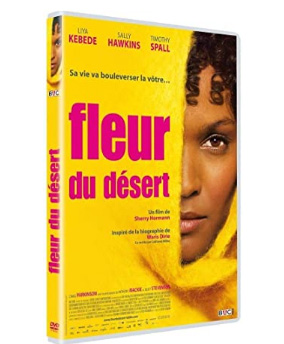
Desert Flower
Synopsis
Desert Flower is a powerful, poignant biographical drama directed by Sherry Hormann, adapted from Waris Dirie's international bestselling autobiography. The story follows Waris, a young nomadic Somali girl who escapes an arranged forced marriage at age thirteen by walking alone across the treacherous, predator-filled African desert. After reaching Mogadishu and later working as a domestic servant in London, she is discovered by a quirky fashion photographer who recognizes her striking, exotic beauty. Waris rises rapidly through the cutthroat international fashion modeling industry, becoming a global cover girl and supermodel. Using her newfound platform, she bravely launches a courageous human rights crusade against female genital mutilation. The film offers a triumphant story of survival and courage.
The Making of the Film
Director and co-writer Sherry Hormann developed the biographical project with executive producer Peter Herrmann, determined to bring Waris Dirie's courageous life story and human rights activism to global cinema. The filmmakers worked closely with Waris Dirie herself to ensure cultural and emotional authenticity during production. Filming took place across location sites in Djibouti, Africa, and London to contrast her nomadic desert origins with the glittering fashion capitals of Europe. Ethiopian-born model and actress Liya Kebede was cast as Waris, bringing grace, striking resemblance, and personal understanding to the role.
Critical Reception
Professional critics offered generally favorable reviews, praising the film's emotional sincerity, powerful human rights message, and Liya Kebede's radiant lead performance. Reviewers noted that Hormann successfully balanced the glamorous highs of the international fashion world with the harrowing trauma of Waris's early nomadic life and activist awakening. Some critics felt the narrative took a conventional biographical approach, but agreed that its urgent social message made it essential viewing. It became a notable European box office success.
Audiences responded with profound emotional engagement and admiration for Waris Dirie's extraordinary courage. Viewers were deeply moved by her harrowing desert escape, modeling success, and her brave United Nations speech condemning female genital mutilation. Word-of-mouth sustained its reputation as an inspiring biographical masterpiece.
The film earned numerous international film festival awards and audience choice honors, celebrating its vital human rights message, art direction, and lead acting performances.
Behind-the-Scenes Stories
Director Sherry Hormann drew inspiration from Waris Dirie's harrowing bestselling memoir, human rights documentaries, and fashion industry archives. Coordinating the brutal desert escape sequences required Liya Kebede and the crew to endure harsh outdoor conditions in Djibouti. During the filming of the glamorous Paris and London fashion runway sequences, real industry designers and models contributed to authentic period styling. Before Liya Kebede was cast, various international actresses were considered during early adaptation stages.
Themes Explored
Survival, Human Rights, Modeling, Nomadic Life, Courage, Activism
Ending Explained
The triumphant and emotional conclusion shows Waris delivering a powerful speech at the United Nations, officially launching her global crusade against female genital mutilation.
Meaning of the Title
The title symbolizes the protagonist's incredible resilience, blooming like a delicate desert flower despite surviving the harshest arid and cultural environments.
Original Soundtrack
Martin Todsharow composed a soaring, emotional orchestral and African-infused score that beautifully underlined Waris's journey from nomadic suffering to global triumph.
Hidden Figures, Erin Brockovich, The Boy Who Harnessed the Wind, Wild