

 Français
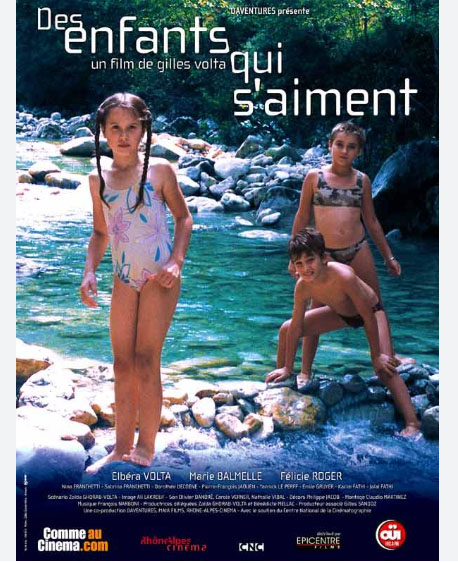
Des enfants qui s'aiment
Synopsis
In a quiet French suburban neighborhood, two sensitive young teenagers named Théo and Léa experience the intense, dizzying awakening of their first romantic love. Navigating the pressures of school exams, parental expectations, and teenage insecurity, they find refuge and emotional safety in each other's company. However, adolescent misunderstandings, sudden jealousy, and family disruptions threaten to tear their fragile romance apart. Their tender summer together becomes an unforgettable rite of passage into adulthood.
The Making of the Film
Director Gilles Volta sought to capture the delicate, fleeting emotional purity of adolescent first love without Hollywood sensationalism. Producers focused on casting fresh, naturalistic teenage actors to maintain authentic youthful vulnerability. The production utilized quiet suburban Parisian locations to establish an intimate, everyday atmosphere. The script emphasized gentle dialogue, quiet observations, and understated emotional beats. The film aimed to provide an honest, gentle coming-of-age portrait.
Critical Reception
Critics offered generally warm reviews, praising the film's gentle sincerity, delicate direction, and natural lead performances. Reviewers noted that the film succeeded through its understated emotional authenticity rather than melodramatic teenage angst. Audiences appreciated the nostalgic, tender tone capturing the universal awkwardness of first romance. It found a quiet appreciation on European television and indie festival circuits. It remains a sweet, lesser-known coming-of-age indie film.
Behind-the-Scenes Stories
Gilles Volta drew visual inspiration from French New Wave coming-of-age cinema and intimate photographic portraits of youth. The young lead actors underwent extensive rehearsal workshops together to establish genuine comfort and romantic chemistry on screen. During filming in suburban Paris, the crew maintained a small, unobtrusive footprint to allow the young actors to perform naturally without pressure. The musical score featured gentle acoustic guitar melodies.
Themes Explored
The narrative explores adolescent first love, emotional vulnerability, parental separation, and coming-of-age transition. It examines how intense teenage feelings shape early identity. Furthermore, it highlights the bittersweet nature of youthful romance.
Ending Explained
Théo and Léa part ways at the end of summer as life paths diverge, carrying fond, permanent memories of their pure first love into adulthood. The final cinematic shots show them smiling at each other from a distance before walking separate roads. A gentle, poignant sense of maturity closes the film.
Meaning of the Title
The French title 'Des enfants qui s'aiment' translates literally to 'Children who love each other', echoing Jacques Prévert's famous romantic poetry celebrating young lovers.
Other tender French and European coming-of-age romance films such as The First Time, Call Me by Your Name, and Blue Is the Warmest Color.