

 Français
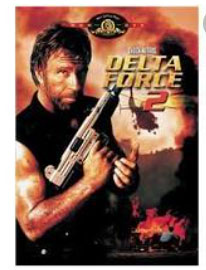
Delta Force 2
Synopsis
Note: Full title is Delta Force 2: The Colombian Connection. When a ruthless South American drug lord captures American DEA agents and a military operative during a raid, the United States government deploys its elite counter-terrorism unit. Led by the unstoppable Colonel Scott McCoy, the Delta Force launches a high-stakes rescue mission deep into the heart of a hostile jungle. Facing heavily armed narco-terrorists and treacherous terrain, McCoy must rely on sheer tactical firepower to liberate the hostages. Every firefight is an explosive battle for justice against insurmountable odds.
The Making of the Film
Following the financial success of the original Chuck Norris action hit, Canon Films developed a sequel focusing on the war on drugs. The project was conceived as an explosive military action thriller highlighting elite counter-terrorism tactics in South America. Director Aaron Norris, brother of the star, aimed to deliver high-energy combat sequences and patriotic heroism. The production utilized extensive military props, helicopters, and explosive pyrotechnics to capture the grand scale of jungle warfare.
Critical Reception
Critics panned the film upon release, criticizing its predictable plot, wooden acting, and cartoonish depiction of the drug war. Reviewers noted that it followed a rigid, formulaic action script with minimal character development or surprise. Some film critics also pointed out the excessive property destruction and casual violence typical of low-budget 1990s action cinema. Despite the harsh critical reception, action fans appreciated its straightforward delivery of explosive popcorn entertainment.
Audiences embraced the sequel as a fun, nostalgic blast of unapologetic 1990s action entertainment. Viewers cheered for Chuck Norris as he dispensed swift, martial arts-infused justice against foreign drug cartels. It performed reasonably well on home video and cable television among fans of vintage action cinema. Many appreciated the high body count and unpretentious heroics that defined Chuck Norris vehicles of that era.
Given its B-movie action status and critical panning, the film received no mainstream cinematic awards or festival recognition. However, it achieved solid commercial performance within the home video and international rental markets. Chuck Norris's enduring legacy as an action icon was further solidified by his committed performance. These commercial milestones kept the franchise relevant among dedicated fans of military combat films.
Behind-the-Scenes Stories
Aaron Norris was inspired by real-world geopolitical tensions surrounding the global war on drugs and international hostage crises of the late 1980s. He wanted to showcase the elite tactical efficiency of the Delta Force operating in hostile foreign environments. The visual style favored bright jungle landscapes, massive explosions, and classic martial arts combat choreography. The director worked closely with military advisors to ensure tactical movements looked convincing on screen.
Shooting complex jungle combat sequences and helicopter extractions in the Philippines presented significant logistical and safety challenges for the crew. A tragic helicopter accident during second-unit filming resulted in fatalities, casting a heavy shadow over the production. Despite this devastating setback, the cast and crew completed principal photography under strict safety protocols. Chuck Norris maintained a dedicated and professional leadership presence on set throughout the difficult shoot.
During the filming of the dramatic jungle infiltration sequences, Chuck Norris performed many of his own martial arts combat stunts. The pyrotechnics team coordinated massive explosions around the drug lord's jungle compound that required precise timing. Crew members noted that working in the humid jungle climate tested everyone's physical stamina during grueling day and night shoots. The intense camaraderie among the stunt team helped maintain high morale through the challenging production.
Chuck Norris was the undisputed central figure for the sequel, retaining absolute creative control over his heroic character, Colonel Scott McCoy. Casting directors searched for an imposing physical actor to play the ruthless drug lord Ramon Cota, securing Billy Drago for the villainous role. The supporting cast of elite soldiers and captured agents was assembled to provide a diverse team dynamic. The returning star power of Norris ensured instant recognition and fan loyalty.
Themes Explored
The film heavily explores the geopolitical war on drugs, international terrorism, and the absolute elimination of crime. It examines patriotic duty, military loyalty, and the rescue of hostages from tyrannical captors. Another core motif is the triumph of righteous martial arts force over overwhelming criminal syndicates. It also touches upon vengeance, justice, and the uncompromising defense of American citizens abroad.
Ending Explained
The film concludes with Colonel Scott McCoy successfully defeating the drug lord Ramon Cota in a brutal hand-to-hand combat showdown. The elite Delta Force successfully rescues all surviving hostages and dismantles the jungle fortress with massive explosive charges. McCoy and his surviving team members board their extraction helicopters as the enemy compound burns to the ground. The final shot celebrates total military victory and the restoration of justice against international drug cartels.
Meaning of the Title
The title refers directly to the elite military counter-terrorism unit featured in the film, with the numerical suffix denoting the second installment. The subtitle "The Colombian Connection" highlights the specific geopolitical drug cartel focus of the narrative. The straightforward phrasing sets immediate expectations for a military action thriller. It encapsulates the elite tactical nature of the protagonist's rescue mission.
Similar films include Missing in Action, Delta Force, Commando, and Rambo: First Blood Part II, which feature military rescue missions and elite action heroes.