

 Français
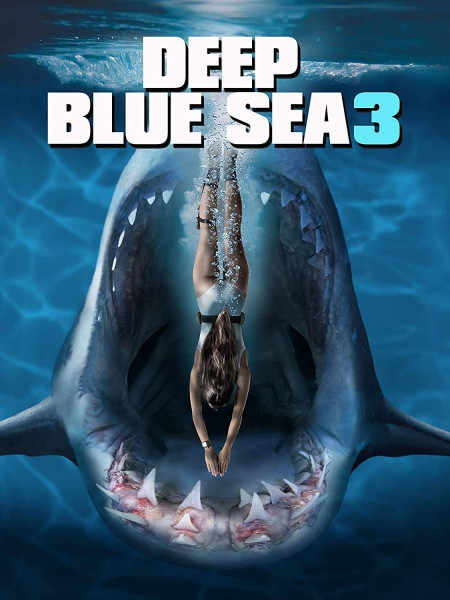
Deep Blue Sea 3
Synopsis
Dr. Emma Collins and her marine biology research team are stationed at a remote, sinking island village on the edge of the Mozambique Channel to study the impact of climate change on great white shark breeding habits. However, their peaceful scientific mission is violently disrupted when a crew of genetically modified bull sharks—descendants of the hyper-intelligent apex predators from previous experiments—arrive in the area, hunting human prey. Trapped on crumbling wooden platforms as tropical storms close in, the scientists must fight for survival against ruthless corporate mercenaries and bloodthirsty sharks. The film delivers a trashy, high-octane aquatic creature-feature horror ride.
The Making of the Film
Warner Bros. and its home entertainment division developed the second sequel to the 1999 cult hit 'Deep Blue Sea' to capitalize on streaming and direct-to-video monster movie demand. Director John Pogue was brought on to helm the aquatic horror project, aiming to blend environmental sci-fi themes with fast-paced B-movie shark attacks. The production utilized remote South African coastal locations and specialized water tank stages to simulate dangerous open-ocean conditions. The script was crafted to deliver over-the-top creature carnage and suspenseful island isolation.
Critical Reception and Reviews
Professional Critic Reviews
Critics offered mixed-to-favorable reviews for a direct-to-video sequel, praising its surprisingly competent creature effects, brisk pacing, and Emma Emerson's capable lead performance. Reviewers noted that while the plot relied on predictable B-movie killer-shark tropes, it embraced its schlocky premise with high energy and genuine entertainment value. Some critics criticized the derivative script and wooden dialogue among supporting mercenaries. Overall, it was regarded as a fun, guilty-pleasure aquatic horror flick.
Public Reception
Horror fans and creature-feature enthusiasts responded with enthusiastic enjoyment on streaming platforms, praising the practical gore, thrilling shark attacks, and campy action beats. Viewers appreciated that it ranked among the better modern killer-shark sequels. Word-of-mouth kept streaming metrics high.
Awards_and_Honors
While the film did not compete in major mainstream award ceremonies, it earned positive notice within horror fan communities and genre-specific streaming charts for delivering entertaining B-movie creature thrills.
Filming Anecdotes
Director's Inspirations
John Pogue drew inspiration from classic aquatic monster movies like 'Jaws' and the original 1999 'Deep Blue Sea', utilizing practical animatronic shark elements combined with CGI gore. He wanted the sinking island village setting to feel claustrophobic and treacherous as water levels rose. The visual tone favored dark oceanic blues and stormy weather palettes.
Production Difficulties
Shooting extensive water-tank sequences and coastal action scenes in South Africa presented constant safety protocols, cold water immersion challenges, and complex stunt choreography. Managing animatronic shark puppets alongside digital visual effects required meticulous timing from the technical crew. Stunt performers endured grueling physical fatigue filming aquatic attack sequences.
Particular Scene Anecdote
The dramatic climax involving the destruction of the floating research station required actors to perform rigorous water stunts while simulating panic during explosive shark attacks. Emma Emerson maintained high physical energy during demanding wet-set shooting days. Crew members utilized high-speed underwater camera rigs to track sudden predator strikes.
Initial Casting Choices
Emma Emerson was cast as the lead marine biologist, bringing scientific credibility and action grit to the role. The supporting cast was populated with international genre actors portraying corporate mercenaries and local fishermen. Auditions prioritized physical stunt capabilities for water combat scenes.
Themes Explored
The film explores the ethical boundaries of genetic engineering and corporate hubris in scientific research. It examines climate change impacts on marine ecosystems and predator behavior. Another core theme is survival against engineered apex predators in isolated environments. Ultimately, it delivers classic creature-feature thrills about nature striking back.
The narrative culminates in a desperate final battle where Dr. Collins and the surviving crew use high-voltage electrical traps and explosives to annihilate the alpha genetically modified bull sharks before the sinking island village is completely submerged. The corrupt corporate mercenaries are eliminated by the predators they sought to exploit. The final shots show the surviving scientists escaping on a boat into the sunrise, leaving the radioactive ruins behind. It signifies a decisive victory over corporate genetic overreach.
Meaning_of_the_Title
The title 'Deep Blue Sea 3' directly signals that the film is the third installment in the killer-shark horror franchise, setting expectations for aquatic monster mayhem. It references both the watery arena of the predator attacks and the continuing mythology of genetically engineered sharks. The straightforward title highlights the direct-to-video genre marketing.
["Deep Blue Sea", "47 Meters Down", "The Meg"]