

 Français
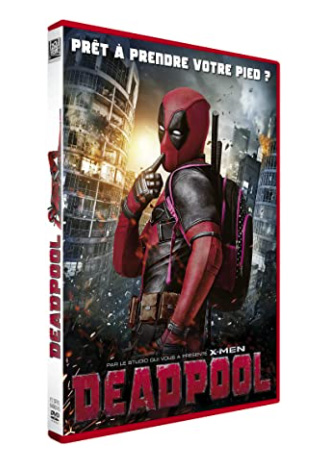
Deadpool
Synopsis
Wade Wilson, a former Special Forces operative turned mercenary, undergoes a rogue experiment that leaves him with accelerated healing powers and a severely scarred appearance. Adopting the alter ego Deadpool, he embarks on a relentless and humorous quest to hunt down the man who nearly destroyed his life. Along the way, he breaks the fourth wall, delivers relentless pop-culture jabs, and teams up with mutant allies to rescue his kidnapped girlfriend. Fueled by dark comedy and chaotic action, he redefines what it means to be a superhero.
The Making of the Film
- The idea to bring Deadpool to the big screen originated after Ryan Reynolds became deeply attached to the character while reading the Marvel comic books. Development languished in Hollywood development hell for over a decade, with studio executives hesitant to greenlight an R-rated superhero comedy. Inspiration finally struck when a test footage reel directed by Tim Miller was leaked online in 2014, generating overwhelming viral enthusiasm from fans worldwide. This grassroots support forced 20th Century Fox to finally approve the project with a modest budget and creative freedom.
Critical Reception
Professional critics praised the film for its refreshing irreverence, razor-sharp meta-humor, and Ryan Reynolds' pitch-perfect comedic performance. Many reviews highlighted how the movie successfully subverted traditional superhero tropes while delivering genuinely thrilling action sequences. Reviewers also commended the snappy pacing and the filmmakers' commitment to staying true to the character's edgy comic book roots. Overall, it was hailed as a game-changing triumph for R-rated blockbusters.
Public reception was overwhelmingly enthusiastic, with audiences packing theaters worldwide and turning the film into a massive cultural phenomenon. Fans celebrated the faithful adaptation of the character's signature fourth-wall-breaking antics and relentless pop-culture references. Word-of-mouth recommendations propelled the movie to unprecedented box office heights for an R-rated release. Spectators widely praised its unique blend of heartfelt romance and chaotic, unfiltered comedy.
The film earned numerous accolades, including two Golden Globe nominations for Best Motion Picture – Musical or Comedy and Best Actor for Ryan Reynolds. It also won several Critics' Choice Movie Awards, particularly in comedy and action categories. The stunt team and visual effects artists received widespread industry recognition for their seamless execution of high-energy sequences.
Filming Anecdotes
The director drew heavy inspiration from classic action comedies, comic book source material by writers like Joe Kelly, and self-aware cinematic storytelling. He wanted the visual style to balance gritty, grounded urban action with vibrant, comic-accurate costume designs. Cinematic references ranged from classic buddy-cop movies to modern satirical comedies that playfully mock their own medium. These artistic choices helped establish a distinct tone that set it apart from traditional cinematic universe entries.
Production faced continuous budgetary restrictions, which forced the creative team to cleverly write around financial limitations with witty dialogue and self-referential jokes. For instance, a famous running gag about forgetting a bag of weapons was born purely because the production could not afford to animate or film an elaborate gear-up scene. Cast and crew embraced the tight constraints, often improvising additional comedic lines on set that ultimately made the final theatrical cut. This collaborative, nimble environment fostered a uniquely energetic atmosphere throughout the shoot.
One particularly memorable scene involved Deadpool fighting villains on a collapsing highway overpass, requiring complex coordination between practical stunt work and extensive digital effects. Ryan Reynolds spent hours in full prosthetic makeup enduring rigorous physical routines to ensure the action looked visceral and authentic. The sequence required meticulous planning to balance gore, comedy, and high-stakes tension without alienating the audience. Crew members frequently noted that this set piece was the most demanding yet rewarding challenge of the entire production.
The initial casting process sought actors who could effortlessly balance rapid-fire comedic delivery with genuine emotional vulnerability and intense physical action. Ryan Reynolds was attached from the very beginning, but finding the right supporting cast took months of extensive auditions. Actresses like Morena Baccarin and Ed Skrein were brought in to ground the comic book absurdity with grounded performances. This careful chemistry testing ensured the dynamic between the protagonist and antagonists felt compelling and alive.
Themes Explored
- Unconventional heroism and the rejection of traditional moral archetypes.
- Love, acceptance, and finding beauty beyond physical scars.
- The deconstruction and satirical critique of modern cinematic superhero tropes.
- Resilience in the face of terminal illness and personal tragedy.
Ending Explained
The final confrontation takes place on a decaying helicarrier, where Deadpool rescues his girlfriend Vanessa after a brutal battle with the villain Ajax. After defeating Ajax, Wade spares his life momentarily before delivering a fatal blow in typical comedic fashion. In the aftermath, Wade accepts his disfigured appearance and reunites with Vanessa, realizing that life does not need to be perfect to be happy. A humorous post-credits sequence parodies classic cinematic tropes while teasing the inevitable sequel.
Title Significance
The title simply bears the name of the protagonist, reflecting his infamous moniker in the comic book universe. It established instant brand recognition and signalled to audiences that the story would focus entirely on his chaotic, unpredictable persona.
Original Soundtrack
The soundtrack features an eclectic mix of classic pop hits, hip-hop tracks, and a soaring orchestral score by Junkie XL that perfectly complements the film's chaotic energy. Tracks like Wham!'s "Careless Whisper" and DMX's "X Gon' Give It To Ya" are used to brilliant comedic effect during key action and romantic moments. The music became an instant fan favorite for enhancing the movie's irreverent and upbeat personality.
Similar Films
- Deadpool 2 (2018)
- Logan (2017)
- Guardians of the Galaxy (2014)
- Kick-Ass (2010)
- The Suicide Squad (2021)