

 Français
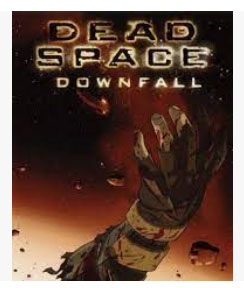
Dead Space
Synopsis
Set in the distant future on a colossal deep-space mining vessel called the USG Ishimura, an engineering crew responds to a routine distress call. Upon boarding, they discover the ship completely abandoned and eerily silent, with the crew brutally slaughtered by grotesque, reanimated mutated corpses known as Necromorphs. As systems fail and communication lines collapse, engineer Isaac Clarke must battle for his life through claustrophobic corridors while searching for his missing partner Nicole and uncovering a terrifying alien artifact.
The Making of the Film
This gritty survival horror masterpiece was developed by Visceral Games (formerly EA Redwood Shores) and directed by Glen Schofield and Michael Condrey. The project was conceived as an evolution of survival horror, drawing heavy atmospheric inspiration from classic sci-fi horror milestones like Alien, The Thing, and Event Horizon. The creative team pioneered a minimalist user interface, projecting health meters and inventory screens directly onto the engineers holographic RIG suit to maximize immersive tension.
Critical Reception
Critical acclaim was near-universal, with reviewers hailing the game as a triumphant return to form for survival horror. Critics praised its oppressive atmospheric dread, innovative dismemberment combat mechanics, and stellar sound design that kept players constantly on edge. The environmental storytelling aboard the decaying mining ship received high praise. Gamer reception was overwhelmingly enthusiastic, establishing the title as a cult classic and launching a multi-media franchise spanning animated films, comic books, and sequels. Fans lauded the terrifying monster designs, intricate lore, and Isaac Clarkes silent yet heroic perseverance. The game swept numerous industry accolades, winning multiple Game of the Year and Best Sound Design awards across major gaming publications, cementing its legacy as a milestone in sci-fi horror entertainment.
Behind-the-Scenes Stories
Director Glen Schofield drew inspiration from Resident Evil 4 and classic cinematic horror, aiming to create a terrifying experience where traditional shooting tactics fail, forcing players to strategically dismember horrific creatures. The audio team went to extreme lengths, recording unusual metallic scraping noises and distorted human screams to build the unsettling soundscape. Production faced initial corporate skepticism regarding a brand-new original horror IP, but the development team persevered, refining the zero-gravity gameplay mechanics and dismemberment engine over years of iterative prototyping. A famous behind-the-scenes anecdote involves the developers intentionally removing traditional HUD elements and mini-maps, deciding instead to project all interactive elements into the game world, which drastically heightened player immersion and panic. The initial casting and character creation focused on making Isaac Clarke a silent, relatable everyman engineer rather than a trained soldier, emphasizing vulnerability and resourcefulness over brute force combat.
Themes Explored
The game explores corporate greed, religious fanaticism, isolation, and the psychological toll of deep-space exploration. It examines how obsession with alien artifacts leads to destructive institutional corruption and horrific biological mutation.
Meaning of the Title
The title refers both to the literal freezing void of outer space and the abandoned, dead mining sectors of the spacecraft where human life has been completely eradicated.
The Thing, Alien, Resident Evil 4, The Callisto Protocol